- Carbonization is identified by a dry, matte deposit, differentiating it from the shiny moisture of oil.
- It is usually caused by rich mixtures (excess fuel) or failures in the ignition system and sensors.
- The diagnosis varies depending on whether the problem affects all cylinders (global cause) or only one (localized cause).
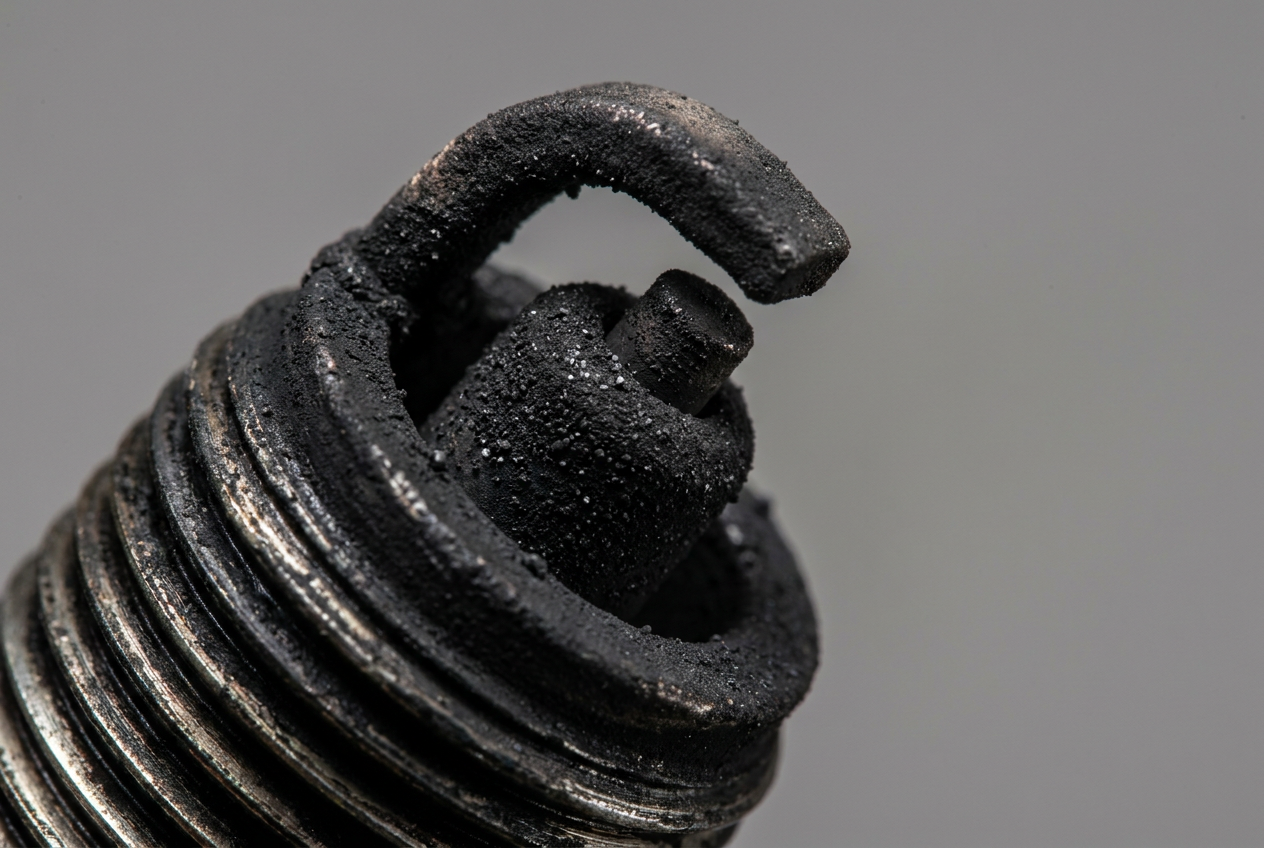
I'm sure it's happened to you before: you take the spark plugs out of your car and find they're completely black and look dry . This phenomenon, known as carbonization, is simply the accumulation of soot on the insulator and electrodes, indicating that something is wrong with the combustion and that the fuel isn't burning properly.
The first thing to understand is that a spark plug in this condition isn't the problem itself, but rather a symptom of a deeper issue . Simply replacing them with new ones is pointless if the root cause isn't addressed, as the problem will reappear shortly, causing misfires or other ignition problems that could leave you stranded at the worst possible moment.
Differences between carbonization and oil contamination
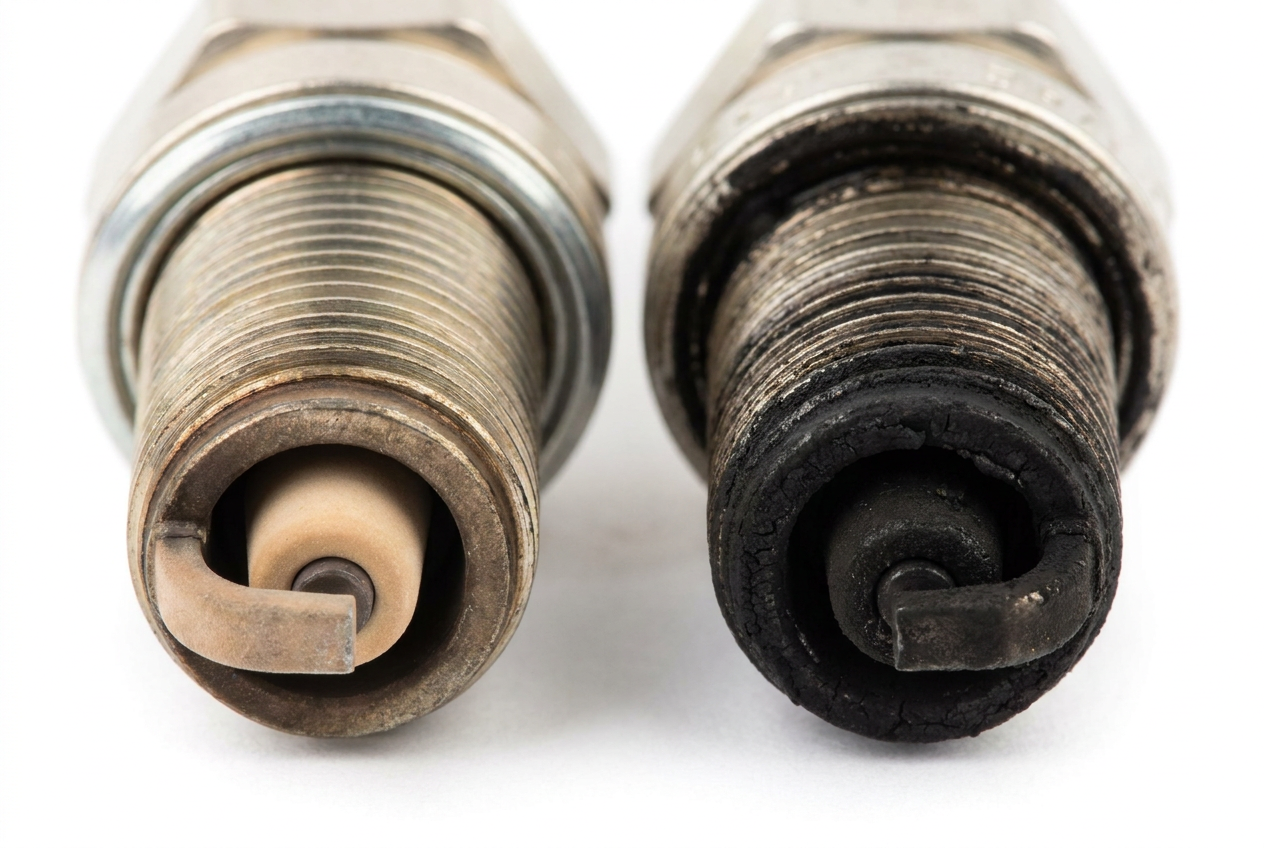
It's very common to confuse the black color of a spark plug, but there's a simple trick to tell the difference. Carbonization presents a dull, dry, and powdery deposit , typical of incomplete combustion. Conversely, if you notice that the spark plug is shiny, wet, or greasy, it indicates oil contamination, meaning that lubricant is leaking into the combustion chamber.
The problem of the rich mixture
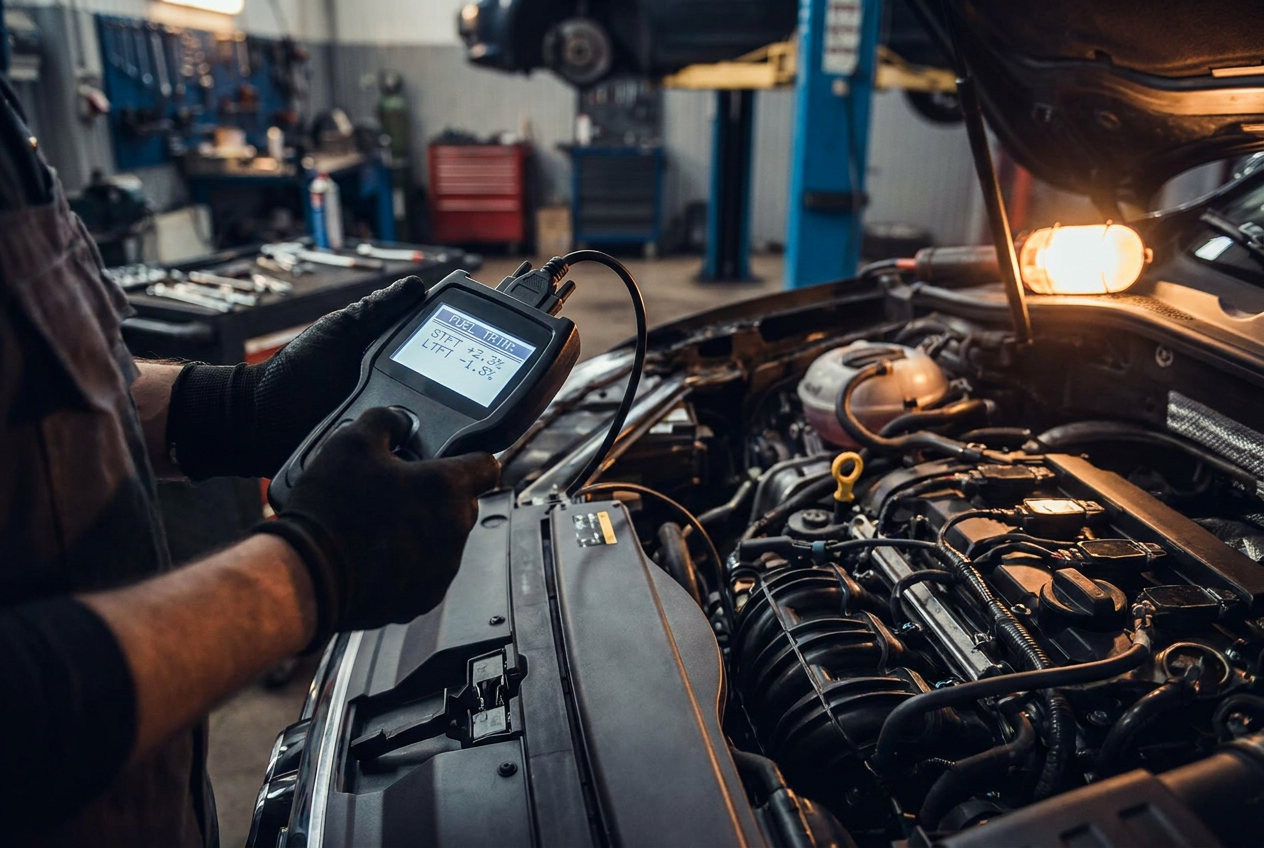
When we talk about a rich mixture, we mean that there is too much fuel and not enough air for efficient combustion. Technically, this occurs when the lambda value is less than 1 (λ < 1). If you have a scan tool handy, look at the STFT and LTFT values; if they are negative, the car's computer is trying to reduce the amount of fuel because it detects that the mixture is too rich.
Be careful with the oxygen or A/F sensors. Sometimes, the sensor can give an incorrect reading and cause the ECU to inject more fuel than necessary. Therefore, it's not advisable to diagnose the sensor based solely on the spark plug color, but rather to analyze the entire system.
Why does carbonization occur? Main causes
- Fuel supply: Excessive pressure in the fuel rail can cause the injectors to deliver more fuel than they should. It's also possible that an injector is leaking or stuck, enriching the mixture in only one cylinder.
- Air and temperature sensors: If the MAF or MAP sensor fails, the air charge calculation will be incorrect. Similarly, an ECT sensor indicating the engine is colder than it actually is will force the car to maintain the cold-start enrichment strategy too long.
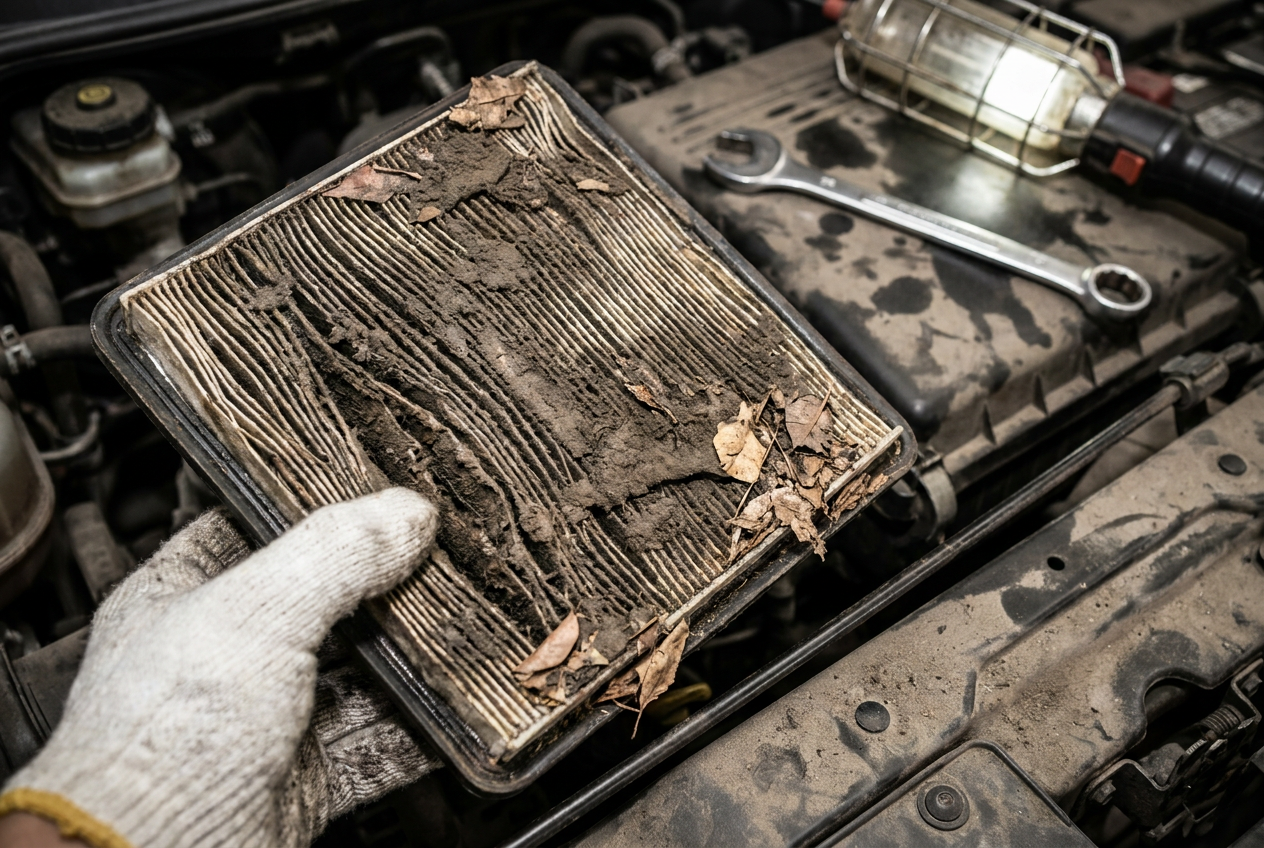
- Intake blocked: A very dirty air filter or any restriction in the air intake will reduce the available oxygen, preventing the fuel from burning completely.
- Faulty ignition system: It's not all about gasoline. A weak spark, a coil with worn insulation, or using a spark plug with a Incorrect thermal range can cause the mixture to not burn completely.
- Driving habits: Making very short journeys with a cold engine or always driving at very low revolutions favors the accumulation of these carbon deposits.
How to diagnose the problem according to the pattern
If, upon inspecting the engine, you find all the spark plugs are equally black , the problem is most likely system-wide. In this case, you should check the fuel pressure, air filter, lambda sensor, and engine temperature readings. An OBD scanner is your best tool here for monitoring misfire counters and real-time fuel adjustments.
However, if only one spark plug is this color, the problem is located in that specific cylinder. In this case, you should investigate the fuel injector (resistance and spray pattern), the ignition coil, or even perform a compression and leak test . A loss of compression due to worn valves or piston rings can cause the spark plug to blacken even if the air-fuel mixture is correct.
Steps for a permanent repair
Cleaning the spark plug is a temporary fix, not a solution. The key is to correct the root cause , whether that means replacing a leaking injector, replacing the temperature sensor, or cleaning the intake manifold. Once the problem is fixed, a new spark plug that strictly meets the manufacturer's specifications must be installed.
To complete the process, it's recommended to clear the ECU's adaptation values following the vehicle's protocol and perform a road test. Remember that accumulated carbon can create a conductive path on the insulator, diverting energy to the casing and causing misfires under high load or during acceleration.
The key to solving this problem lies in understanding whether the fault is general or localized, by analyzing the scanner data and the mechanical condition of the engine before randomly replacing parts, thus ensuring that combustion becomes efficient again and the engine recovers its optimal performance.