- The IEEE 802.11be standard achieves theoretical speeds of up to 46 Gbps, multiplying the performance of WiFi 6.
- MLO technology allows the use of multiple frequency bands simultaneously to reduce latency and gain stability.
- 320 MHz channels and 4096-QAM modulation are introduced to optimize massive data transfer.
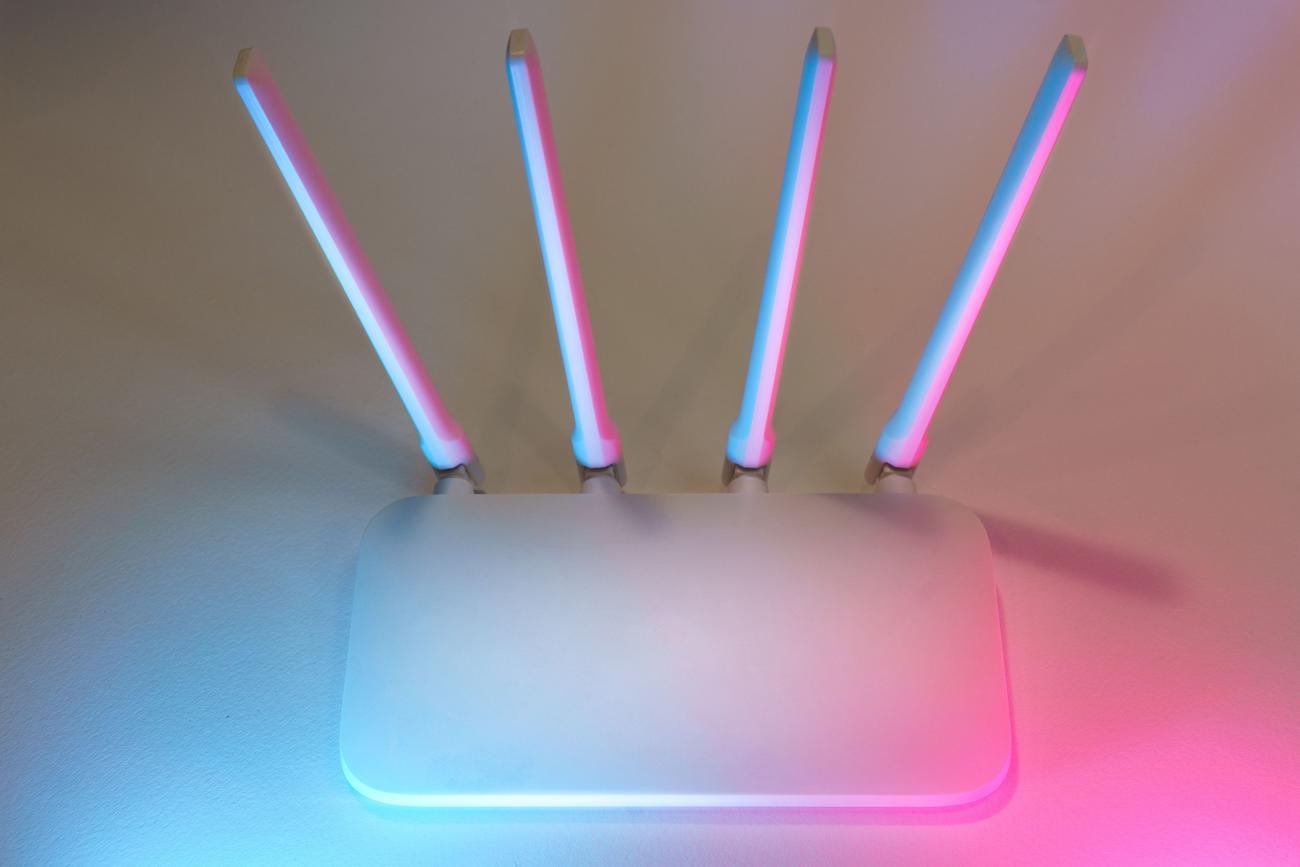
If you thought your current connection was lightning fast, get ready because what's coming is a whole new level. Wireless technology never rests, and although many homes are still struggling with WiFi 6 or 6E, the WiFi 7 standard has already arrived —an evolution that promises to blow us away and, if all goes according to plan, send our Ethernet cables into retirement.
This new protocol, technically known as IEEE 802.11be , was officially unveiled in early 2024 at CES in Las Vegas. It's not just a cosmetic improvement, but a paradigm shift in how our devices communicate, aiming for a wireless experience as robust and fast as if we were plugged directly into the router.

What exactly is WiFi 7?

To get down to business, WiFi 7 is the seventh generation of wireless networks, and its main objective is Extremely High Throughput (EHT) . Basically, it aims to enable the network to move massive amounts of data seamlessly, allowing things like 8K streaming or immersive virtual reality to work without those annoying stutters or lags that break the immersion.
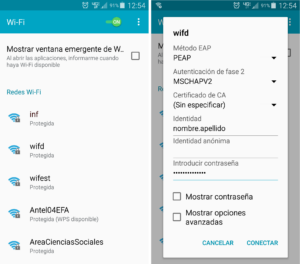
Unlike its predecessors, this standard focuses not only on raw speed but also on spectrum efficiency . This means it makes much better use of the air through which the waves travel, preventing connection degradation when dozens of devices are connected in the same home or office—a common occurrence in congested cities that requires knowing how to detect Wi-Fi interference.
The technological keys that make it fly
To achieve such a feat, WiFi 7 incorporates several technical innovations that are the true magic behind the system:
- Multi-Link Operation (MLO): This is probably the crown jewel. Whereas before the device chose one band (2,4, 5, or 6 GHz), now it can transmit and receive data simultaneously on several sides. It's like going from a single-lane road to a multi-level highway.
- 320 MHz Channels: The bandwidth has doubled. While WiFi 6 reached 160 MHz, WiFi 7 scales up to 320 MHz, allowing... travel much more data in one package.
- 4096-QAM Modulation: Thanks to this new scheme, each radio frequency symbol can carry 12 bits instead of 10. This represents a 20% increase in speed of pure transmission compared to the previous 1024-QAM.
- MIMO 16x16: The number of spatial flows has doubled, from 8 to 16. This allows for the management of many more users at the same time without the network collapsing, improving reliability and overall coverage.
Real differences compared to WiFi 6 and 6E
If we look at the numbers, the difference is staggering. While WiFi 6 reaches a theoretical maximum of 9,6 Gbps, WiFi 7 boosts that figure to 46 Gbps . We're talking about almost five times the speed, which in practice means that downloading extremely large files will be a matter of seconds , approaching the speed offered by 10 Gbps fiber optic connections.
Another critical point is latency. WiFi 7 drastically reduces response times, becoming up to 100 times more efficient in some cases. For someone who plays online or uses real-time telemedicine applications, this is the difference between winning the game and suffering from frustrating lag.

The challenge of the 6 GHz band in Europe
It's not all sunshine and roses, especially if you live in the European Union. WiFi 7 shines thanks to its use of the 6 GHz band, but there's a regulatory problem . In the United States, they've opened up almost the entire spectrum (1200 MHz), but in Europe, we only have about 500 MHz and a mere 24 channels.
Furthermore, the EU has strict restrictions: low-power devices (LPIs) can only be used indoors and without external antennas . This means that outdoor deployment is much more complex than in the Americas, and we will have to wait for regulators to adjust the rules to fully realize the standard's potential.
How is this useful to us in our daily lives?
Many may wonder if they really need that much power at home. The answer is that WiFi 7 is the foundation for emerging technologies . The Metaverse, augmented reality (AR), and virtual reality (VR) require a stability that WiFi 6 can't always guarantee. With this new standard, these experiences will be seamless and natural , without the latency-induced dizziness.
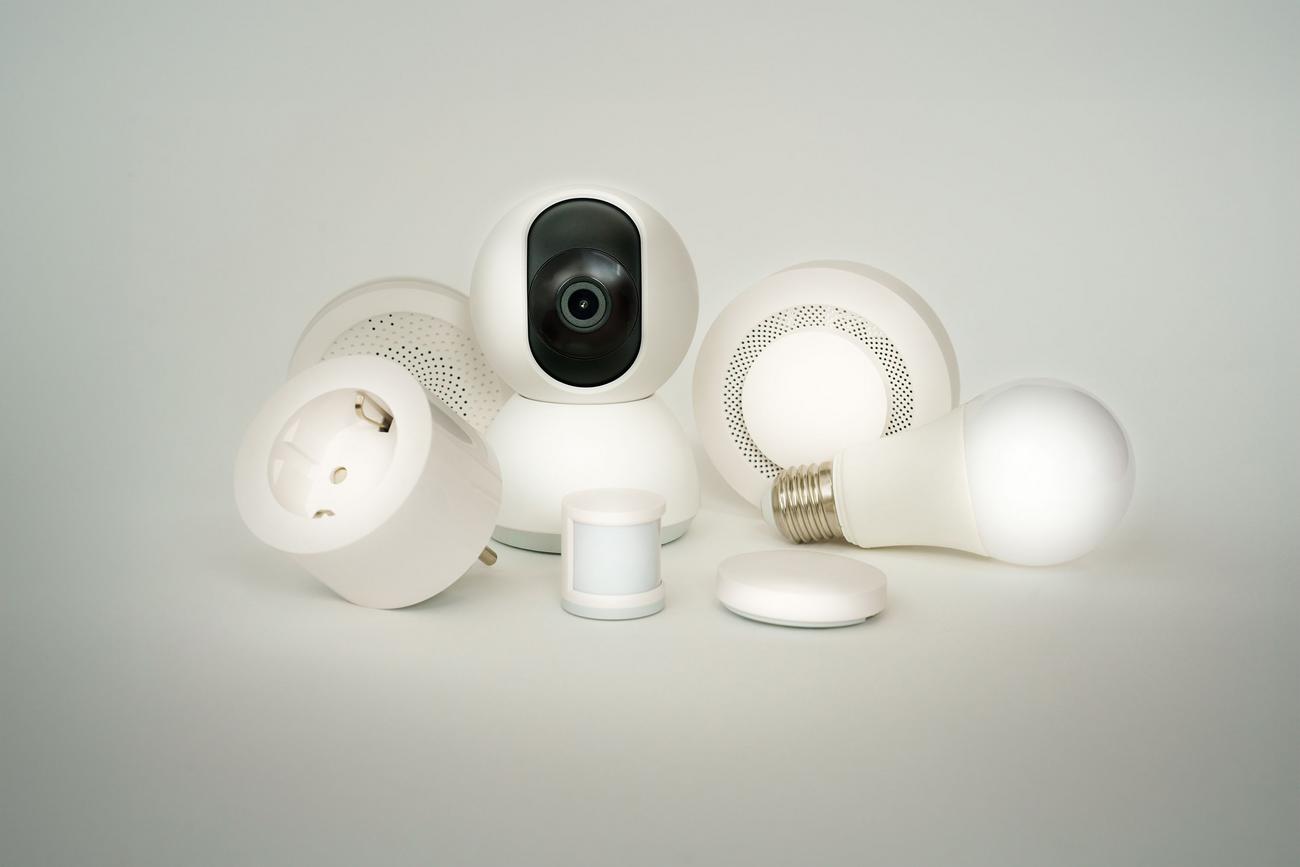
In the workplace, ultra-high-definition video calls will no longer pixelate, and the exchange of large files between computers will be instantaneous . Even in home automation, while a light switch doesn't need Wi-Fi 7, central hubs will benefit from smarter traffic management , preventing your smart bulbs from disconnecting from Wi-Fi.

Availability and compatibility
One reassuring piece of news is that WiFi 7 is backward compatible . This means that if you buy a modern router, your older devices will still connect without problems, although they obviously won't be able to browse at 46 Gbps. To get the most out of the router, both the transmitter and receiver must be compatible.
Chips from giants like Qualcomm, Broadcom, and MediaTek are already available , and we're starting to see the first certified smartphones and laptops. Although prices may be prohibitive at first, the trend is for the ecosystem to grow rapidly, reaching billions of devices in the coming years.
A glimpse into the wireless future
The ultimate goal of this technology is to make air as conductive as copper, matching standards like USB 4. By combining true tri-band technology, advanced modulation, and intelligent spectrum resource management, WiFi 7 transforms the home network into a professional infrastructure. This evolution ensures that, regardless of the number of IoT devices connected, stability and speed remain at optimal levels, laying the foundation for an era of total hyperconnectivity.
