- The durability of a subwoofer depends mainly on the materials of its suspension, with rubber and Kevlar being much more resistant than foam.
- An active subwoofer is the most balanced option for the home as it integrates amplification and filters custom-designed by the manufacturer.
- Strategic positioning and phase and cutoff adjustment are fundamental to prevent the bass from dominating the sound and to integrate with the speakers.

Many people wonder if sound systems have an expiration date, especially when it comes to subwoofers. The truth is, there's no predetermined age for a subwoofer to stop working, as its lifespan is more closely tied to the materials it's built with and its environment than to a fixed schedule.
Having good equipment is one thing, but knowing how to maintain it and get the most out of it is where the real trick lies. From choosing the suspension system to its placement in the living room, there are a lot of details that determine whether your investment will last for decades or deteriorate in just a few years.
How long does a subwoofer actually last?
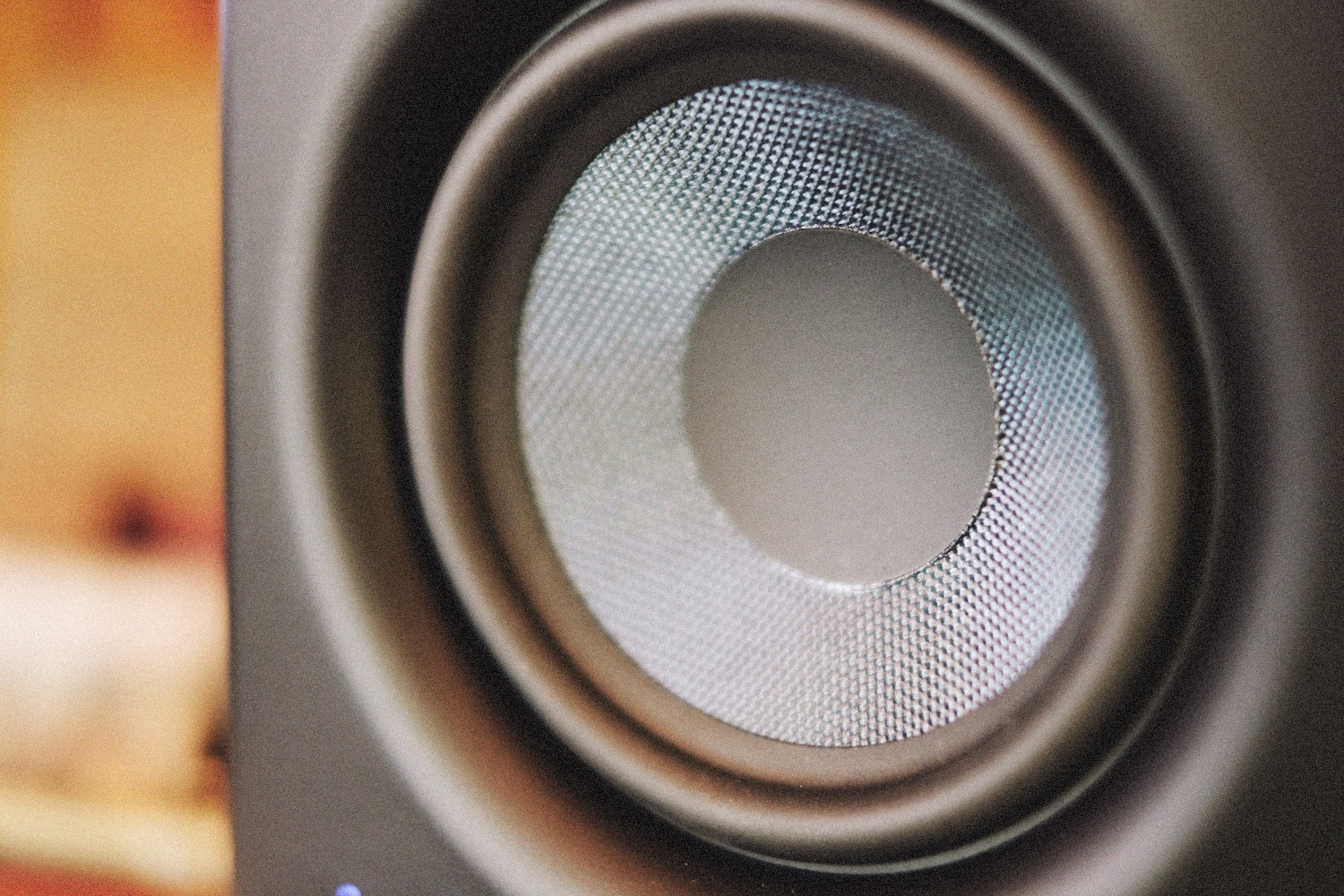
When it comes to durability, the weak point is usually the suspension. Foam suspensions are the most delicate and are very unlikely to last 20 years before starting to show problems. On the other hand, if the equipment uses rubber suspensions, we're talking about components that can be practically indestructible; there are cases from brands like Philips or BW that, after 40 or 50 years of use , are still in perfect condition.
For those seeking maximum durability, materials like Kevlar promise extreme longevity. Furthermore, there's a theory that climate plays a significant role, as more humid environments seem to preserve these materials better than very dry climates, where cracks or degradation in speaker cabinets are more common. To protect a speaker that will be stored for an extended period, using covers or protective film might be considered.
Types of subwoofers and which one to choose
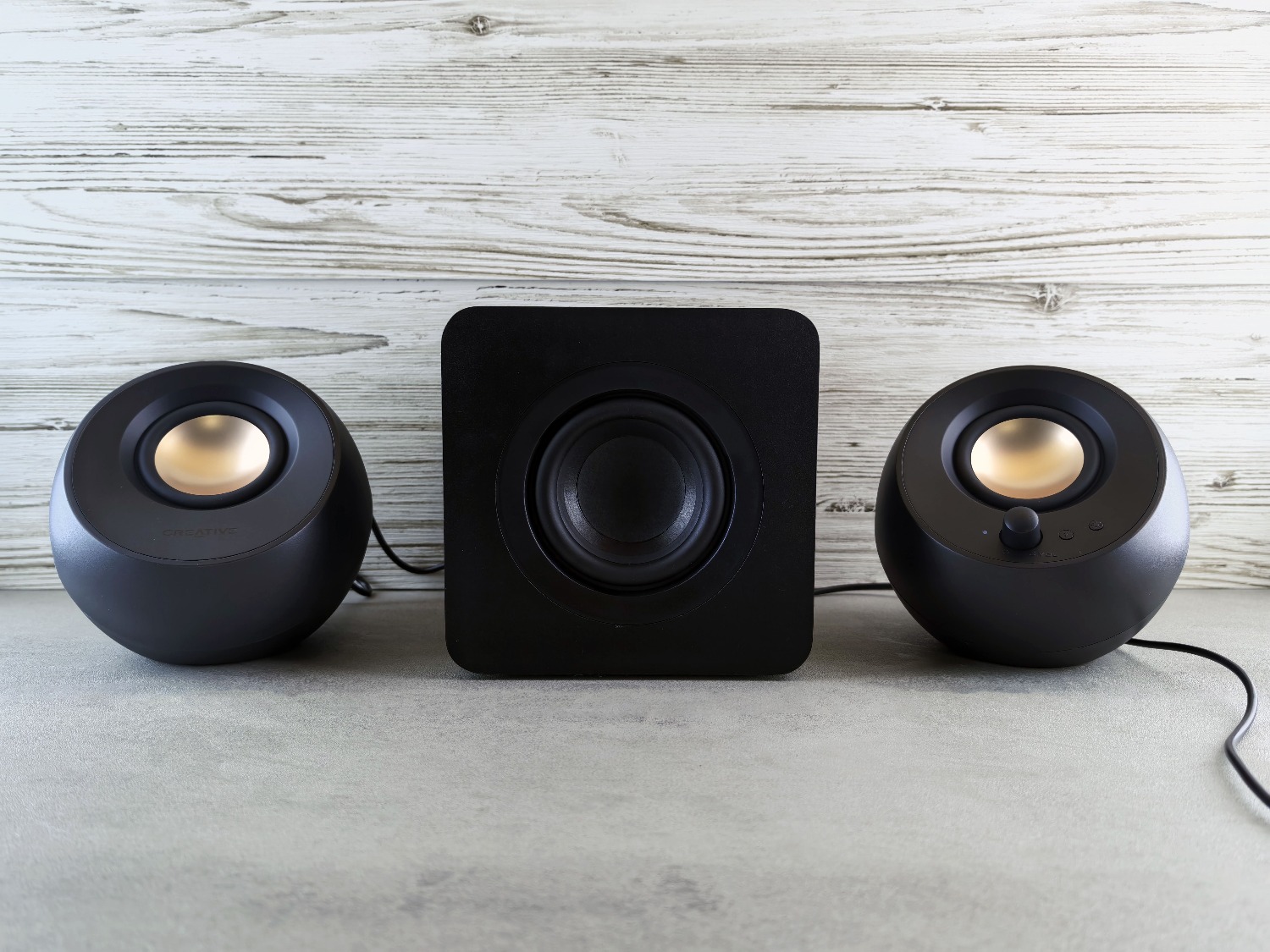
When expanding a system, the choice is usually between active and passive models. The active subwoofer is king at home because it already has the amplifier, crossover, and volume controls built in. Since everything is designed by the same manufacturer, synchronization is much simpler and more efficient, making it the standard option in brands like JBL, Klipsch, and Yamaha.
On the other hand, a passive speaker is basically a box with a speaker that requires an external amplifier. It's a more technical and expensive option that's only recommended for highly customized installations where the user has advanced audio expertise.
The importance of the box and the design
The way air is managed inside the subwoofer completely changes the sound experience. A sealed enclosure delivers a dry, highly articulate bass, ideal for audiophiles seeking precision. A bass reflex system , which uses a duct to capture the rear sound wave, provides significantly more pressure and is a favorite for home theaters, although you have to be mindful of air noise at very high volumes.
There is also the passive radiator, which replaces the bass reflex port with a membrane. This allows for deep bass in small enclosures without the annoying air noise, making it a very well-balanced solution.
Installation and the positioning trick
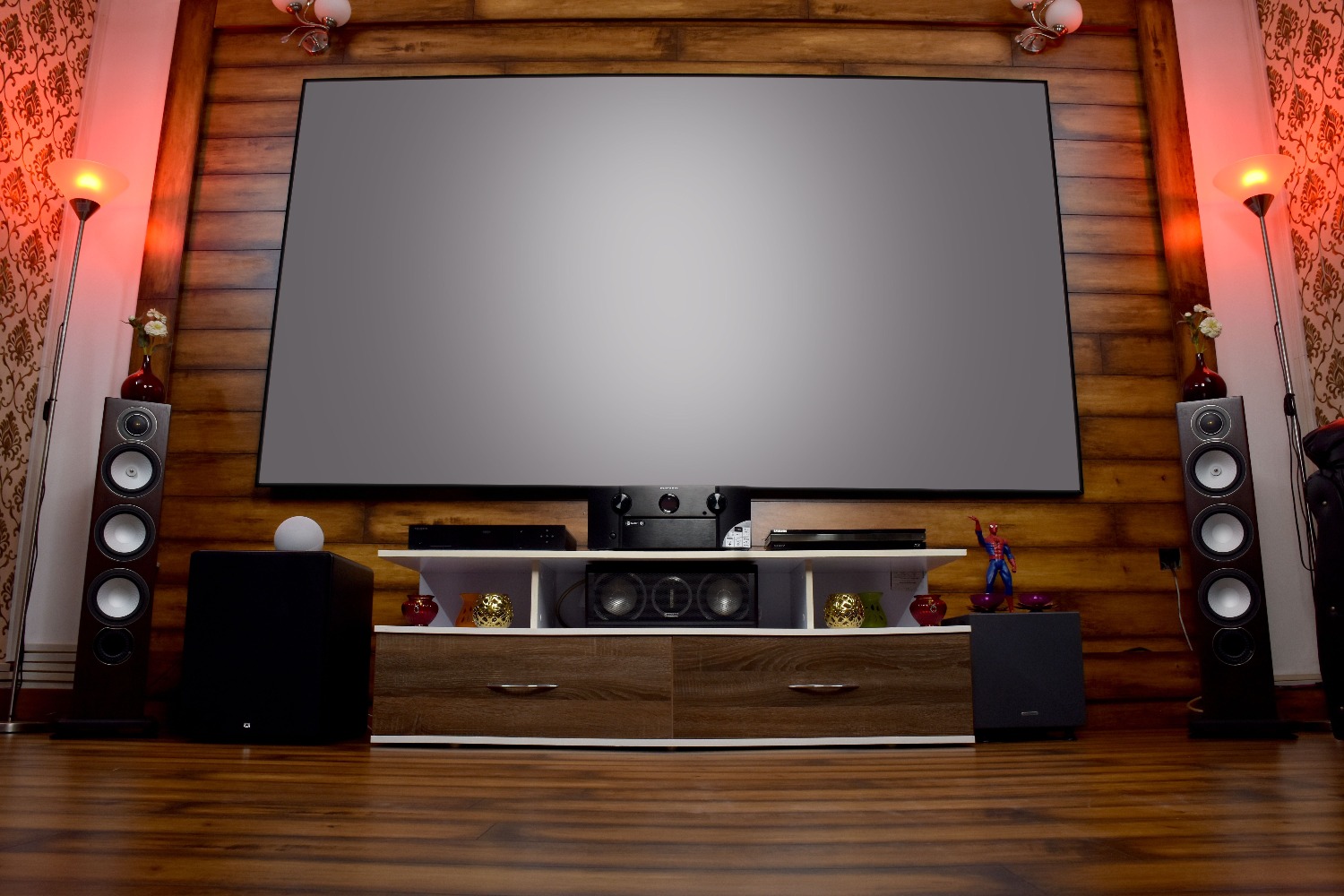
There's no point in spending a fortune on a sound system if you just put it in a corner because "there's room." The room is the determining factor because of standing waves that can cancel out frequencies or create annoying rumble. A very effective method is "subwoofer crawling": place the unit on the sofa, sit on the floor, and move around the room until you find the spot where the bass sounds most consistent.
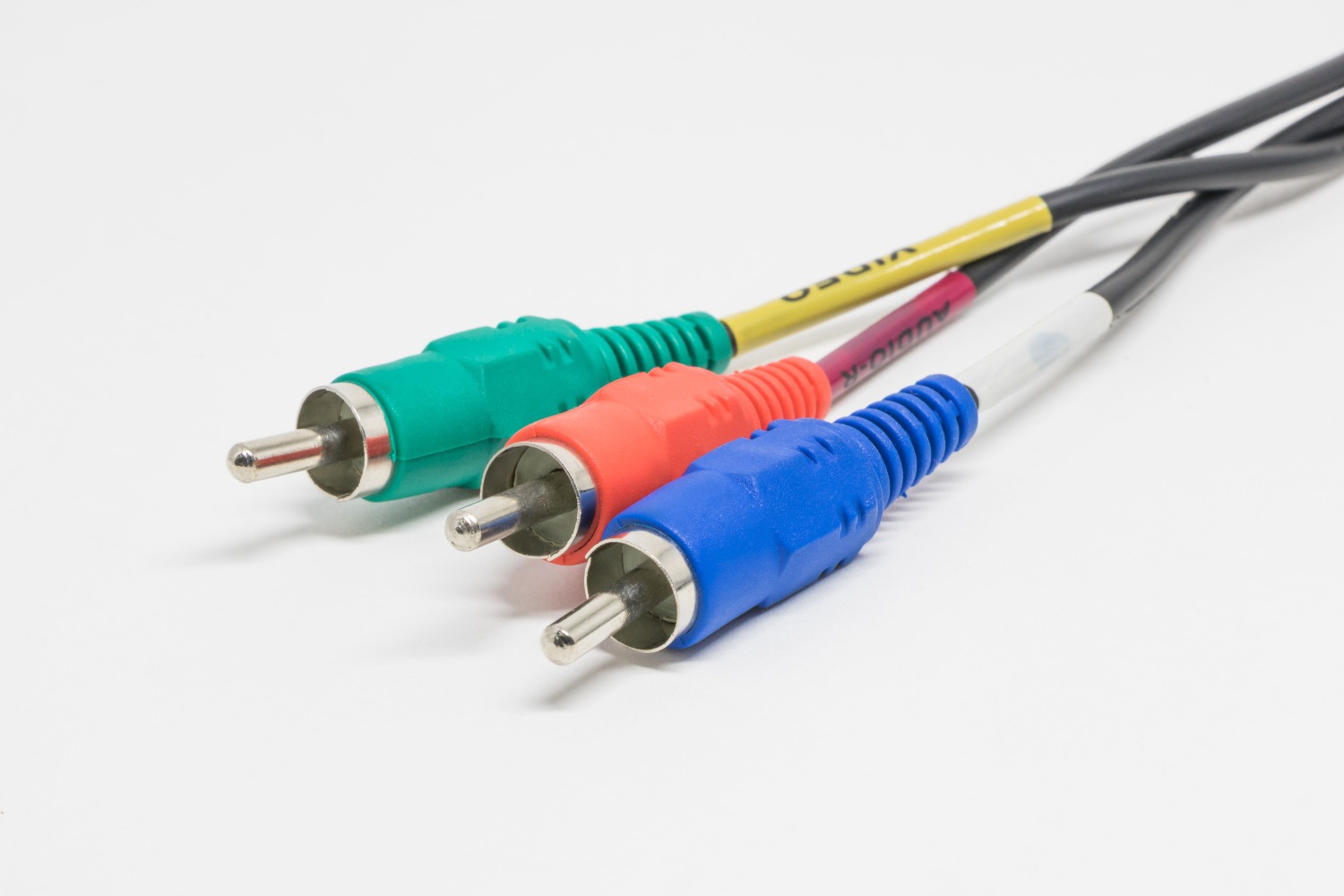
Regarding the connection, there are several options. The LFE input is typical of home theater receivers. The line input (RCA) is common on stereo amplifiers. Finally, the high-level input connects the subwoofer directly to the speaker terminals, an option many audiophiles prefer because it better preserves the essence of the original sound.
Fine-tuning for perfect sound
To ensure the subwoofer doesn't sound like a separate object, but rather that the sound has depth and body, a few steps must be followed. First, the crossover frequency : it should start right where the main speakers begin to falter. If the crossover is too high, male voices will sound strange, and the jump between speakers will be noticeable.
Next comes volume, which should be subtle; the goal is for the subwoofer to complete the sound spectrum , not overpower the music. Finally, phase adjustment is vital. If the phase is incorrect, the subwoofer and speakers will cancel each other out, leaving a gap in the bass that many people try to fix by increasing the volume—a serious mistake.
Does a subwoofer help speakers last longer?
There's a common belief that adding a subwoofer extends the life of the main speakers. This is true when the system has an active crossover filter that eliminates the lowest frequencies from the smaller speakers. Since the subwoofer doesn't have to work as hard to reproduce deep bass, the cone of the main speakers moves less, reducing mechanical stress and the risk of damage.
If we simply connect the subwoofer in parallel without filtering the signal from the speakers, they will continue to work at the same rate. The key is to reduce the load on the main woofers through electronic bass management, allowing the system to operate more efficiently with less distortion.
Maintaining high-quality suspension materials and optimizing the electronic configuration is the best strategy to prevent premature system degradation. Precise phase, volume, and crossover adjustments, combined with intelligent room positioning, ensure immersive sound and minimize component wear over time.
FAQ
What is the lifespan of a subwoofer based on its material?
There is no exact date, but foam suspensions usually degrade before 20 years, while rubber or Kevlar suspensions can last for several decades in perfect condition.
How does the weather affect the lifespan of speakers?
Very dry climates tend to cause more problems with degradation and cracking in the cases than more humid climates.
Is it true that a subwoofer makes my other speakers last longer?
Only if a filter is used that removes low frequencies from the main speakers, thus reducing the mechanical stress on their cones.
What is the difference between an active and a passive subwoofer in terms of durability?
The physical durability is similar, but the asset is more efficient by integrating components specifically designed to work together from the factory.
Why is this phase important to prevent equipment wear and tear?
An incorrect phase causes the sound to cancel out, leading the user to excessively increase the volume to compensate, which can unnecessarily strain the components.
Which suspension material is the most durable?
Rubber and Kevlar are the most durable materials, allowing some equipment to function properly even after 50 years.
