- The manufacturer's manual is the most reliable source for information on viscosity and required technical standards.
- The choice of lubricant depends on the type of engine, the age of the vehicle, the climate, and the mileage.
- Using the wrong oil can lead to increased mechanical wear, higher fuel consumption, and serious breakdowns.
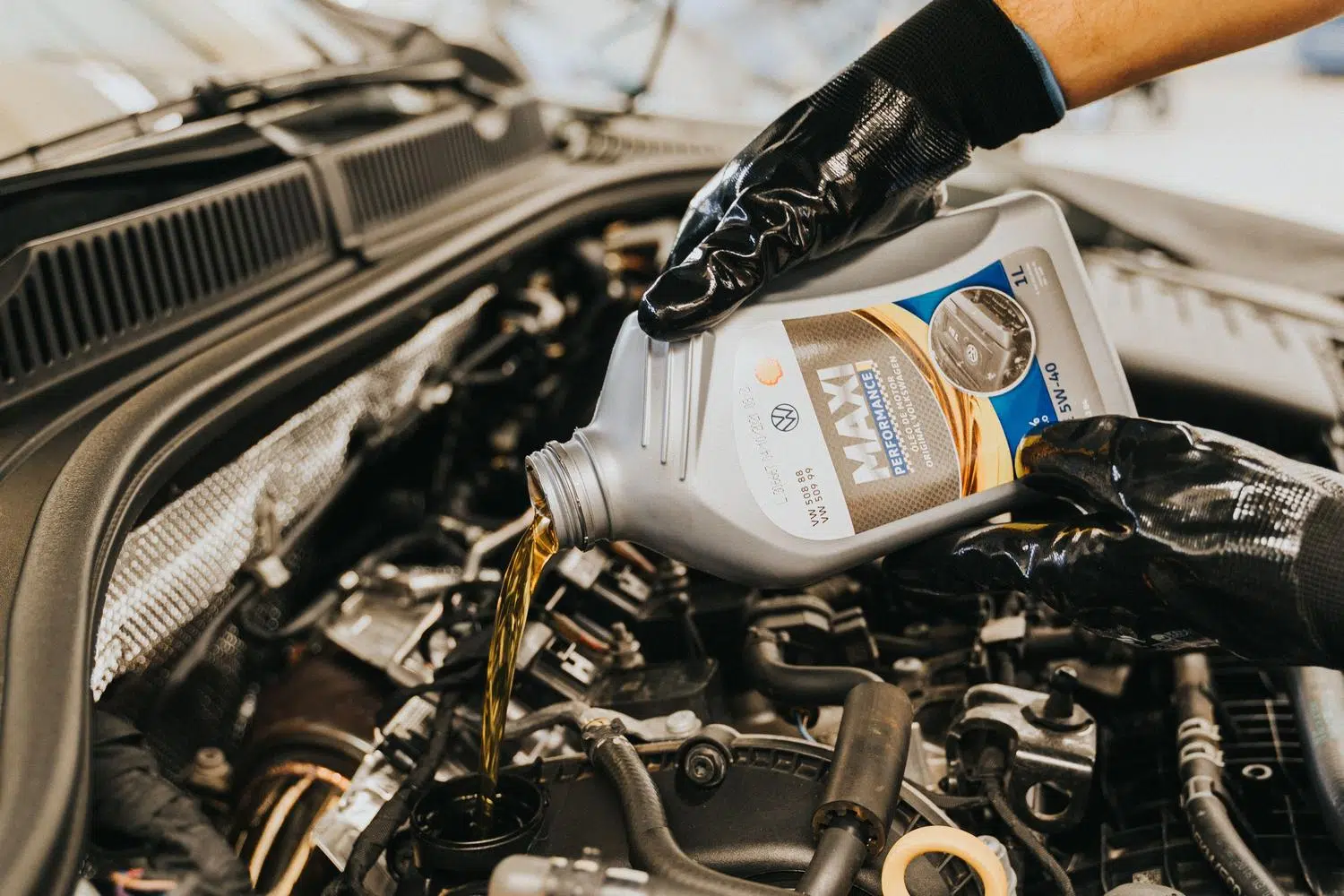
Keeping your engine in good working order is essential if you want your vehicle to last a long time and not break down. Of all the maintenance it requires, changing the oil is the heart of the process , as this fluid is responsible for preventing the metal parts from rubbing against each other and being destroyed by friction.
However, simply pouring in any old bottle you see at the gas station isn't enough. Every engine is different, and using the wrong lubricant can be a huge mistake that ends in a hefty repair bill. That's why knowing exactly which product your car needs is vital to ensuring its mechanical health.

Where can I find out what oil my vehicle takes?

If you're stuck and don't know where to start, don't worry, there are several ways to find out without complicating things. The safest and most direct way is to take a look at the manufacturer's maintenance manual ; there you'll find the fluids section where the viscosity and mandatory technical standards are specified.
If the book is lost or you don't have it handy in the glove compartment, you can try these alternatives:
- Labels in the engine compartment: Many cars have a sticker under the hood or even on the driver's side door frame indicating the standard oil.
- The filler cap itself: Sometimes, the viscosity (like the famous 5W30) is engraved directly on the plastic of the cap where you pour the oil.
- Online tools and registration: Currently, many lubricant brands and workshop chains offer free search tools. You just have to Enter your license plate or vehicle identification number (VIN) and the system will tell you which product is compatible.
- Your trusted mechanic: A quick call to your usual garage is usually enough, as they keep your car's maintenance history.
Understanding viscosity: What do those numbers mean?

You've probably seen designations like 5W30 or 10W40. These numbers aren't random; they follow the classification of the Society of Automotive Engineers (SAE) and define the oil's ability to flow at different temperatures.

To put it simply, the first number (the one to the left of the W) indicates how the oil behaves when cold . The "W" stands for Winter , so the lower the number, the better the oil will flow when starting the car on a freezing day. The second number, on the other hand, indicates the viscosity when the engine is warm and working at full capacity.
It is crucial not to confuse this with the viscosity index. An oil with a high index is one that maintains its thermal stability better than others, ensuring that the engine is lubricated from the very first second until we reach moments of maximum demand.
Types of oil according to their composition

- Mineral Oils: They are the simplest and cheapest, as they come directly from petroleum refining. Today they are reserved almost exclusively for classic cars or very old enginesbecause they degrade much faster.
- Synthetic Oils: Created in a laboratory using chemical processes, they are the most advanced. They protect the engine betterThey last longer and usually reduce fuel consumption slightly, although they are the most expensive. They are the standard in modern engines.
- Semi-synthetic oils: As their name suggests, they are a hybrid. They seek balancing price and quality, being a common option in mid-range or older vehicles.
Risks of using the wrong oil

Sometimes we think that "a little thicker" is fine, but the RACE technical advisor warns that this is a mistake. If you use a very viscous oil when the manufacturer recommends a thinner one, the engine could suffer premature wear because the lubricant won't reach all the parts quickly enough when starting.
Conversely, if the oil is too thin, it won't create a sufficient protective film, and the engine could be damaged by excessive friction. Furthermore, in modern diesel engines with particulate filters (DPF) or gasoline engines with catalytic converters, it's essential to use Low SAPS (low ash) oils to prevent these components from clogging and failing.

A clear example is changing from a 5W30 synthetic to a 10W40 semi-synthetic: you will notice that the car starts with more difficulty when cold and the particulate filter will deteriorate much sooner than expected, potentially even voiding the vehicle's warranty.
Maintenance and change frequency
It's not enough to know what kind of oil your car uses; you also need to know when to change it. While it varies depending on the make and type of lubricant, it's common to change it every 10.000 or 30.000 kilometers , or every one or two years, whichever comes first. To find out exactly how many liters your oil sump holds, it's best to consult your owner's manual.
To ensure your car runs like clockwork, the smartest thing to do is always follow the manufacturer's instructions , whether by consulting the maintenance manual, using license plate search engines, or getting advice from a professional, avoiding mixing different types of lubricants and always choosing the right viscosity and composition for your engine.