- Life cycle studies show that electric vehicles significantly reduce CO₂ emissions and improve urban air quality.
- Battery technology is moving towards greater efficiency, a smaller environmental footprint and more recycling, with a strategic value chain for Europe.
- Charging infrastructure and incentive policies require stable planning and intelligent management of electricity demand.
- The research confirms the high efficiency and reliability of the electric car, with no relevant risks from electromagnetic radiation to health.
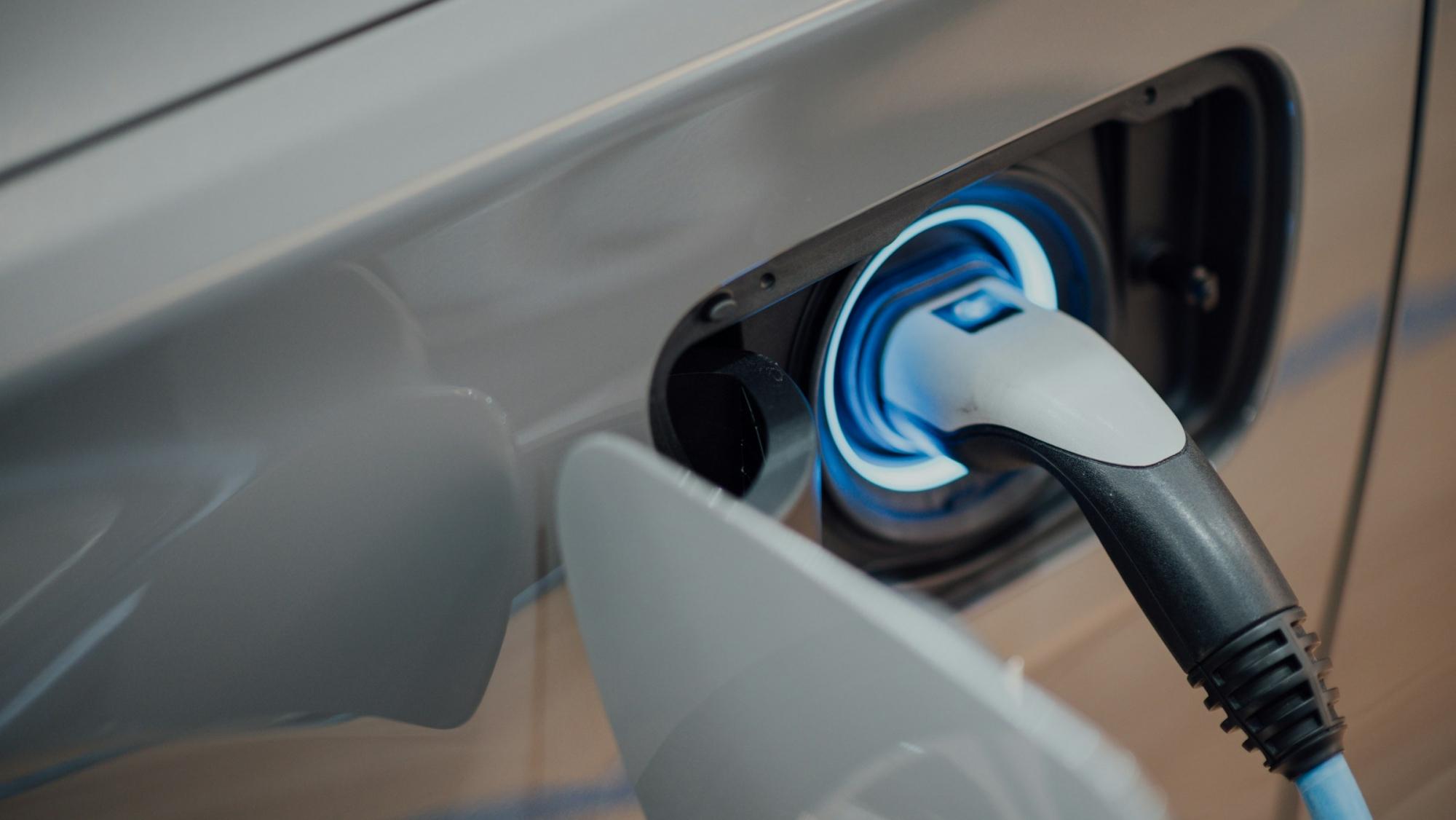
Europe's commitment to electric mobility is not just a fad or a green marketing strategy, but the result of decades of scientific research, on-the-ground data, and rigorous impact assessments . In a very short time, we have gone from seeing the electric car as a futuristic novelty to making it a key element of climate policy, urban air quality, and national energy planning.
However, doubts, myths, and hasty headlines continue to surround electric vehicles. Against all this noise, science offers a much more solid and nuanced picture: the available evidence confirms clear advantages in emissions, efficiency, and public health , while also pointing out challenges in batteries, the electrical grid, public policy, and social perception that cannot be ignored if we want an orderly and fair transition.
Battery technology and the value chain: what science says
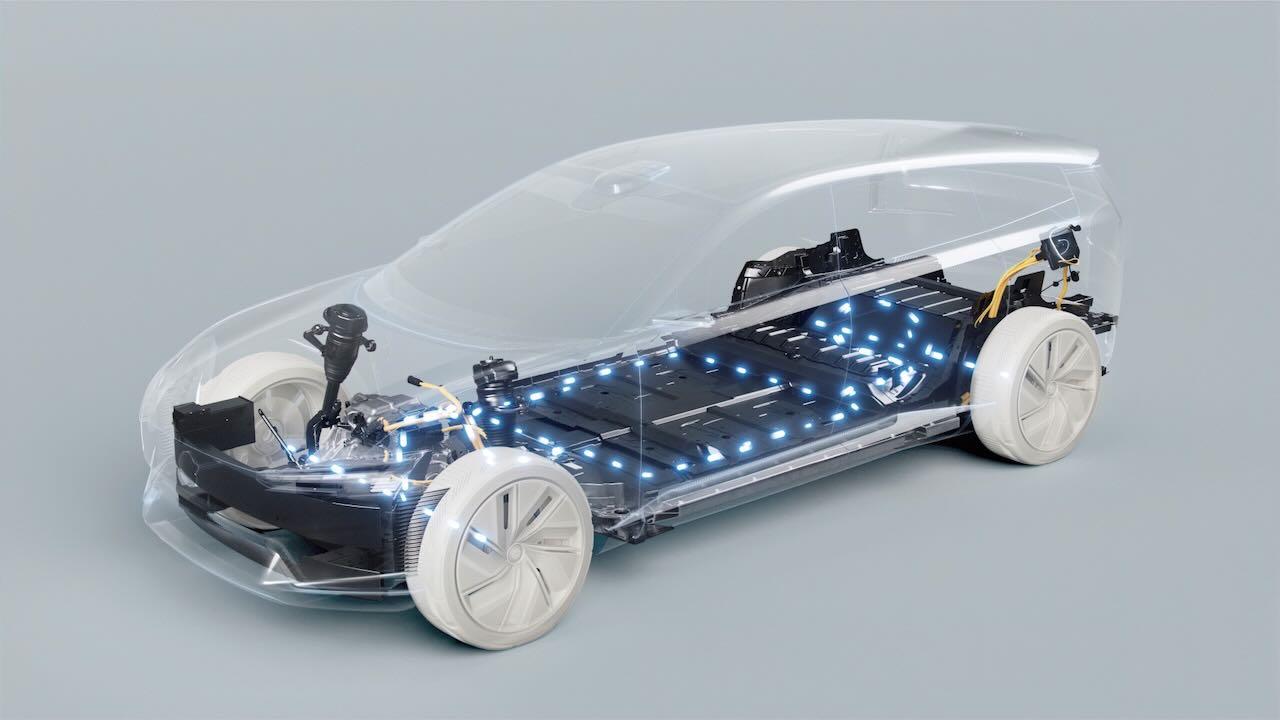
At the heart of the electric vehicle is the battery , and much of the sector's future hinges on its evolution: current research focuses on making them safer, longer-lasting, more efficient, and with a smaller environmental footprint . Conventional lithium-ion chemistry now coexists with emerging alternatives such as solid-state batteries and lithium iron phosphate (LiFePO₄) batteries, as well as sodium-based options, all aiming to reduce costs, decrease dependence on critical materials, and lower emissions associated with their production.
Recent meta-analyses indicate that lithium-ion battery manufacturing can generate between approximately 10 and nearly 400 kg of CO₂ equivalent per kWh of capacity , depending on the battery chemistry and production location. High-nickel-cobalt chemistries (such as NMC or NCA) fall at the higher end of this range, while lithium iron phosphate or sodium-based chemistries generate lower figures thanks to the use of more abundant and less carbon-intensive raw materials.
A crucial factor that is often overlooked is the geographical origin of manufacturing: batteries produced in electricity systems heavily reliant on coal, such as China's, have a larger climate footprint than those manufactured in the European Union or the United States , where the electricity mix is cleaner. This makes industrial relocation and the decarbonization of electricity generation direct levers for reducing the environmental impact of every kWh of battery.
Researchers from European universities, including the University of Vigo and the Rey Juan Carlos University, have shown that the influx of investments linked to electric vehicles has already strengthened the battery value chain in Europe; however, the highest value-added stages (cell production, advanced refining, and large-scale recycling) remain underdeveloped on the continent. The evidence suggests that if Europe wants technological independence and industrial benefits, it needs to consolidate these critical phases and not simply rely on assembling imported batteries.
In parallel, battery management systems are being refined: machine learning and advanced algorithms allow for real-time prediction of remaining capacity, optimized charging, and extended lifespan . Metadata studies of thousands of cells indicate that careful thermal management and intelligent charging strategies (for example, systematically avoiding 100% charging unless absolutely necessary) can significantly extend battery lifespan, reducing the need for replacement and the impact on natural resources.
All of this is integrated with specific regulations: the EU has approved rules that set minimum recycled content requirements for batteries from certain dates, demanding increasing percentages of recycled cobalt, lithium, and nickel . This requirement promotes the circular economy, partially ensures supply, and reduces the carbon footprint associated with primary extraction.
Charging infrastructure: more than just plugs, smart planning
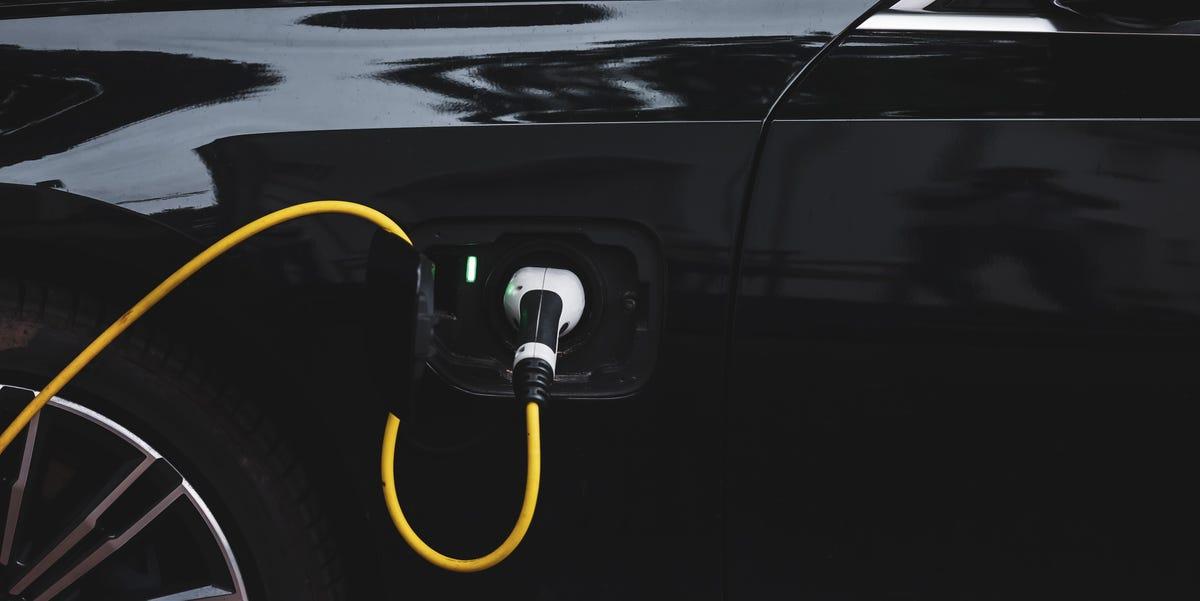
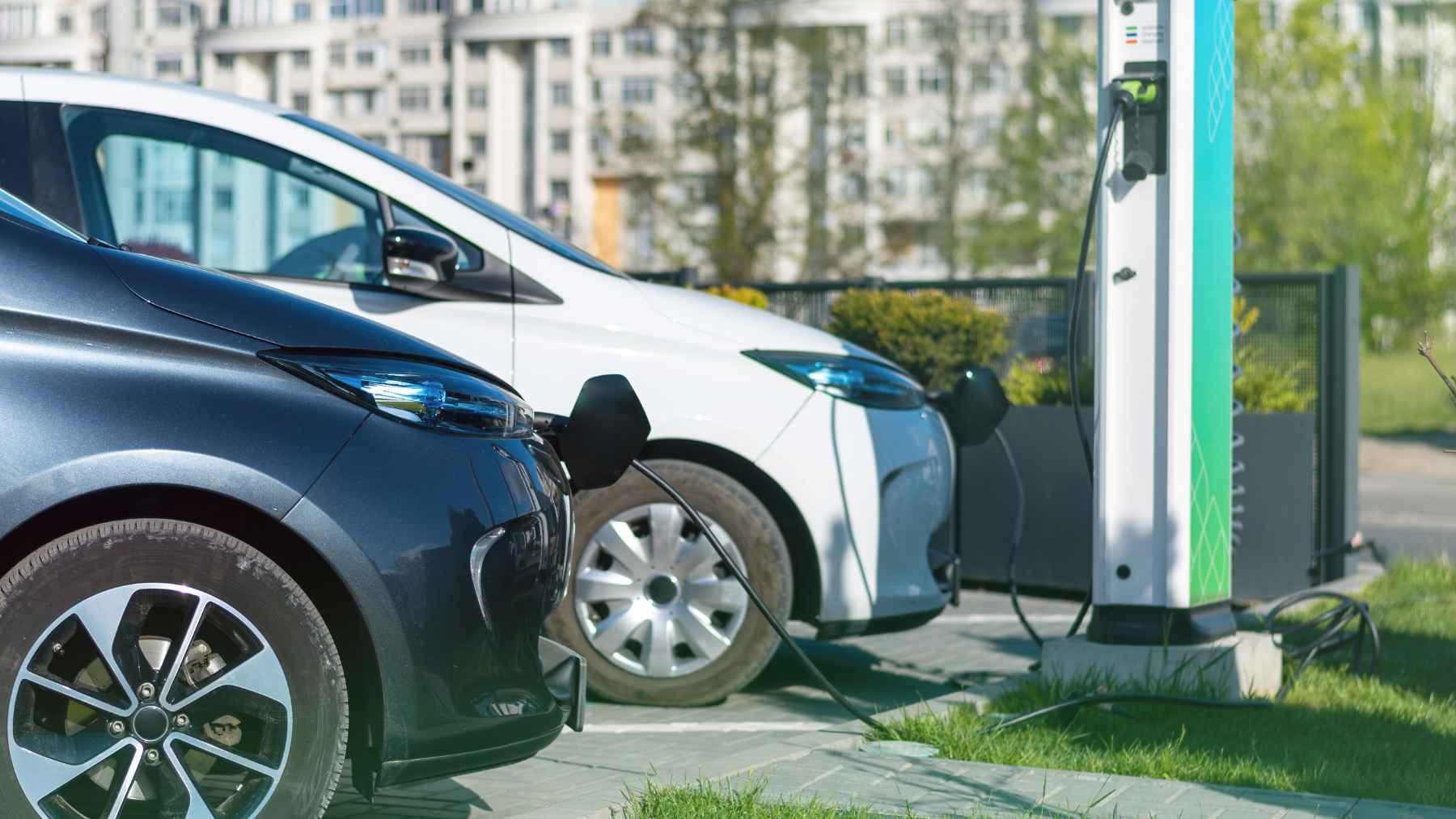
The charging network is the second major pillar of electric mobility: science and deployment data show rapid but uneven expansion, with significant differences between regions and road types . In urban and suburban areas, low- and medium-power AC chargers (up to around 22 kW) dominate, both on public roads and in homes and workplaces, while on highways and major corridors, fast and ultra-fast DC charging stations, designed for long-distance journeys, are growing.
Much of the so-called "range anxiety" has less to do with the actual capacity of batteries than with users' distrust of finding a working charging point when they need one . Expert literature insists that the solution is not simply adding more charging points: it requires territorial planning, common standards across countries, and coordination between operators to ensure interoperability, reliability, and proper maintenance.
Electricity grid modeling studies, such as those applied to the case of China with projections to 2050, reveal a less visible aspect: it's not just the number of electric vehicles that matters, but also when and how they charge . Analyzing more than ten thousand cars and almost two million real-time charging sessions shows that mass adoption without management can increase the daily variability of electricity demand by up to around 80%, forcing massive investments in backup capacity and storage.
The most strained scenario is one in which most drivers use high-power fast charging during peak domestic or industrial consumption hours. In that case, models point to an increase of around 25% in the maximum daily power that the grid must handle, and a peak-to-off-peak difference of close to 80%. Translated onto an annual scale, this additional stress represents an energy volume equivalent to about 15% of the total electricity consumption of the European Union.
Conversely, when orderly charging (slow and mostly at night) is promoted, combined with intelligent management of charging points, the network can integrate hundreds of millions of vehicles without collapsing and with much more manageable investments . Studies estimate the potential savings at hundreds of gigawatts of unnecessary backup capacity and trillions of yuan in the case of China, figures that serve as a benchmark for other electrical systems such as the European one.
Public policies, incentives and regulatory stability
International experience shows that technology and infrastructure alone do not guarantee the adoption of electric cars: public policies have been the main driver, but also a source of instability when they change abruptly . Purchase incentives, tax breaks, urban benefits (such as access to low-emission zones), and home charging support programs have boosted sales in markets like Norway, Sweden, Germany, and China.
The downside is illustrated by recent cases in some European countries where the sudden reduction or elimination of subsidies at the end of 2023 led to noticeable drops in electric vehicle registrations in 2024. This behavior confirms what economic models suggest: the market is very sensitive to price signals and the rules of the game, so political shifts generate distrust among both consumers and manufacturers.
Policy design analyses therefore recommend stable, predictable support frameworks with clear timelines for phasing out aid , rather than abrupt cuts. This stability allows industry to plan investments in battery factories, electric platforms, and charging points, and enables buyers to anticipate the best time to make the switch without fear of regulations changing overnight.
Meanwhile, European sustainability regulations are raising the bar. The new battery regulation establishes traceability requirements, minimum recycled content, and carbon footprint limits associated with manufacturing . This compels manufacturers to redesign supply chains, improve processes, and develop advanced recycling capabilities, while also lending greater climate credibility to electric mobility in the face of criticism regarding the origin of its materials.
The combination of well-designed incentives, strict environmental regulations, and a consistent long-term message is, according to academic literature and reports from organizations such as the EU, the formula that best balances the expansion of electric vehicles with objectives of industrial competitiveness and social equity . Countries that have consistently followed this path now show very high penetration rates and significant used car markets.
Consumer behavior, social acceptance, and the market
Large-scale European surveys provide a snapshot of what the public really thinks about electric vehicles and what obstacles they face when considering buying one: data from the EAFO survey (with tens of thousands of participants in several countries) reveals a majority of drivers with a favorable or at least open attitude toward this technology . More than half would seriously consider buying an electric car, and a significant portion see it as feasible within the next five years.
When asked about the main reasons for not having made the switch yet, the same three barriers always appear: higher purchase price , concerns about range, and doubts about the availability of charging points. Technology adoption models show that these barriers are intertwined with less visible psychological factors, such as a personal inclination towards innovation, the perception of practical utility in daily life, and the perceived ease of use.
Consumer behavior research concludes that purchase intent increases when drivers perceive electric cars as easy to operate, useful for their daily routines, and compatible with their charging environment . Conversely, perceived risk (fear of technological failure, rapid battery degradation, or difficult resale) is one of the most significant negative factors.
Therefore, in addition to subsidies, clear information strategies, test drives, and positive user experiences are key. Markets that have successfully normalized electric vehicles typically combine financial aid with data-driven communication campaigns, transparency regarding total running costs, and services that reduce uncertainty (battery warranties, dense charging networks, dedicated support) . As the number of electric vehicles on the road grows and more models appear on the used car market, the fear surrounding the technological leap is gradually diminishing.
Market trends in Europe show that where policies remain stable and infrastructure expands rapidly, the market share of electrified vehicles (pure electric and plug-in hybrid) is already reaching sustained double-digit figures . Norway is the extreme example, with the vast majority of new registrations being zero-emission vehicles, but countries like Sweden, Germany, and the Netherlands are following similar trajectories, albeit at different speeds.
Real environmental impact: emissions, air quality and health
From an environmental perspective, life cycle analyses are clear: a battery-electric passenger car already emits, on average in Europe, more than 60% less CO₂ over its entire lifespan than an equivalent gasoline car , taking into account manufacturing, use, and end-of-life. As the European electricity system incorporates more renewables and fossil fuel generation is phased out, this climate advantage increases; projections for around 2030 estimate reductions exceeding 75%, even reaching values close to 85% by mid-century.
The impact extends beyond CO₂. In real-world traffic, electric vehicles virtually eliminate emissions of nitrogen oxides (NO₂) and particulate matter from exhaust , two pollutants directly linked to respiratory and cardiovascular diseases. A study published in The Lancet Planetary Health, based on five years of satellite measurements in nearly 1.700 neighborhoods in California, has provided particularly compelling evidence in this regard.
This study, focused on a state with high penetration of electric and plug-in hybrid cars, links the increase in the number of plug-in vehicles per neighborhood with detectable reductions of around 1% in NO₂ levels measured from space . While this figure may seem modest, it's important to note that this was during a period when the market share of electric vehicles only increased from 2% to 5%, so the potential impact as their presence grows is much greater.
The study's methodology is based on data from the TROPOMI tropospheric monitoring instrument, cross-referenced with registration information for battery electric vehicles, plug-in hybrids, and some hydrogen fuel cell models. The results support, with observational data, something that until now has been based primarily on projections: as the fleet of zero-emission vehicles increases, urban air quality improves measurably.
Clearly, electric cars are not “zero impact” in the absolute sense: emissions associated with vehicle production and mineral extraction and processing still exist, and tire wear generates particulate matter regardless of the engine type . Science insists on examining the entire life cycle, and that's why regulations like the new European battery legislation, which mandates the recycling and reincorporation of secondary materials, are crucial for minimizing these impacts and moving towards a true circular economy.
Energy efficiency, mechanical reliability and electromagnetic radiation
If there's one area where physics speaks loud and clear, it's efficiency: electric motors convert a far greater proportion of energy into useful motion than internal combustion engines . Technical analyses, such as those by physicist Johannes Kückens, place the overall efficiency of an electric powertrain at around 60-70% from the plug to the wheels, while a typical gasoline engine wastes about three-quarters of the fuel's energy as heat and noise.
This improved energy efficiency has several cascading consequences. On the one hand, electric cars require significantly less primary energy to travel the same distance , resulting in lower operating costs and emissions (depending on the available electricity mix). On the other hand, the absence of extreme temperatures and internal explosions reduces mechanical stress on key components, extending their lifespan and lowering the likelihood of catastrophic breakdowns.
Reliability studies compiled by automobile clubs and insurance companies are beginning to establish a broad statistical base: serious incident rates in the first years of electric cars' lives are lower than those of combustion engine models . Organizations such as ADAC in Europe and AA in the UK point out that a large proportion of electric vehicle accidents are related to the 12V auxiliary battery, a traditional component inherited from combustion engine cars, and not to the high-voltage traction system.
This difference is largely explained by the simplicity of the powertrain: an electric system lacks components such as a conventional gearbox, exhaust, clutch, fuel injection, or complex emissions control systems . Fewer moving parts and fewer critical subsystems mean fewer potential points of failure. In practice, roadside assistance services find that many problems can be resolved on-site, without the need for a tow truck.
However, one of the most persistent myths surrounding electric vehicles concerns electromagnetic radiation, or “electrosmog.” Because they rely on electricity and magnetic fields, some fear that these cars could generate dangerous levels of radiation for people, especially those with pacemakers or other medical implants . To address this concern, the German Federal Office for Radiation Protection and organizations like ADAC have promoted extensive experimental studies.
In one of the most comprehensive campaigns to date, 11 electric cars, 2 plug-in hybrids, and 1 combustion engine vehicle were analyzed, along with several electric motorcycles. Hundreds of thousands of measurements were taken on racetracks, test benches, and in real-world traffic using mannequins equipped with sensors from head to toe . The results are conclusive: none of the vehicles exceeded the exposure limits established by the International Commission on Non-Ionizing Radiation Protection (ICNIRP).
Scientists identified some areas with slightly higher values, such as the footwell (near high-current wiring) and the lumbar region when heated seats are activated , since these systems generate constant magnetic fields while regulating their temperature. Even so, all these levels remain well below the thresholds at which physiological effects could appear, even for sensitive groups such as people with medical implants or pregnant women.
Furthermore, comparisons with other modes of transport, such as trains, subways, or trams, show that exposure inside an electric car is similar to, or even lower than, that of other common electric vehicles used in daily life . In short, the available scientific evidence debunks the myth that electric vehicles are a worrying source of radiation: they do generate electromagnetic fields, but at levels considered safe by international standards.
At the same time, the expansion of charging infrastructure and improvements in management systems are further strengthening operational reliability. The significant increase in the number of public chargers and the emergence of smart home charging points, capable of modulating power and protecting the cells , reduce stress on batteries and contribute to a much slower degradation than initially feared when this technology first emerged.
With all these elements on the table, the data paints a picture of a mobility system that, while not without its challenges, offers demonstrable improvements in efficiency, emissions, and public health, and presents a better reliability and safety profile than many imagined just a few years ago . The challenge now is not so much technological as it is managerial: coordinating policies, electricity grids, charging habits, and public expectations so that the transition to electric vehicles is orderly, affordable, and perceived as socially just.