- Search engine marketing combines organic search engine optimization (SEO) and paid advertising (SEM) to maximize visibility in the SERPs.
- While SEO builds authority and long-term profitability, SEM offers immediate results and highly targeted traffic.
- A successful strategy requires technical optimization, creation of valuable content, and efficient management of bids and negative keywords.
In today's digital ecosystem, ensuring a brand doesn't go unnoticed is a constant challenge. To achieve this, search engine marketing stands out as the key tool for positioning your business directly in front of those already searching for what you offer. It's not just about appearing in Google search results, but about doing so strategically to attract that qualified audience that is genuinely intent to buy.
Throughout this analysis, we'll break down how this universe works, from the technical foundations to the most advanced tactics. We'll see how organic and paid advertising complement each other, and we'll give you the keys to make your website stand out and start generating real traffic and conversions , adapting the strategy to the specific needs of your industry.

What do we really mean by search engine marketing?
When we talk about search engine marketing, or SEM, we're referring to all the strategies aimed at maximizing a website's visibility on search engine results pages (SERPs). Essentially, it's the art of improving your website's ranking so users can find it quickly and easily.
This field is very broad and encompasses two main aspects: organic search engine optimization (SEO), where we strive for quality and relevance, and paid advertising, where we invest budget to gain immediate rankings . Combining both usually yields the best results, as it allows us to address both the need for long-term authority and the urgency of acquiring customers today.
The SEO vs. SEM duel: Differences and synergies
Although both share the same platform (the search engine), they work in completely different ways. SEO (Search Engine Optimization) is the path of patience; it's based on optimizing the website's structure, content, and authority so that the algorithm considers it the best possible answer for the user, without paying for each click.

On the other hand, SEM focuses on paid advertising. Here, through a keyword bidding system, we can appear in the top positions instantly. While SEO is an investment of time and effort that generates lasting assets , SEM is like a traffic tap: as long as there's a budget, the flow of visits continues, but if we turn off the tap, the visibility disappears.
Advantages and disadvantages of the organic path (SEO)
- The best: It's extremely profitable in the long run and brings tremendous prestige. A user trusts an organic result much more than an advertisement, which gives the brand a sectoral authority indisputable.
- Worst: It's not magic. It requires a huge amount of work: keyword analysis, constant content creation, and technical optimization. Results take time, so it's necessary to... have a lot of patience.
The potential and risks of paid traffic (SEM)
SEM is the fast track. It allows you to segment your audience with surgical precision based on demographics, location, and interests. Furthermore, it offers the advantage that return on investment (ROI) can be measured almost in real time, allowing you to adjust your budget on the fly.
However, it's not all sunshine and roses. Some users find the ads intrusive or aggressive. Furthermore, in highly competitive sectors, the cost per click (CPC) can skyrocket, making it an expensive strategy if the campaign isn't properly optimized.

Pillars for an unbeatable visibility strategy
For search engine marketing to work, it's not enough to simply launch ads or write random copy. You have to attack several fronts simultaneously:
- On-Page Optimization: Don't neglect titles, meta descriptions, and headings. They should be clear and contain keywords, but without being spammy. The content should be unique and adds value real to the reader.
- Technical SEO: If your website takes forever to load or looks bad on mobile, Google will penalize you. It's essential to maintain speed, have a valid XML sitemap, and use [optimization tools/technique]. structured data to help the search engine understand your content.
- Off-Page Strategies and Link Building: Getting other authoritative websites to link to yours is like receiving a vote of confidence. This increases your prestige and helps you to... climb positions organically.
- Local Focus: For brick-and-mortar businesses, optimizing their Google My Business listing and encouraging positive reviews is vital for attracting customers who are in your same area.
How to set up a pay-per-click (PPC) advertising campaign that actually converts
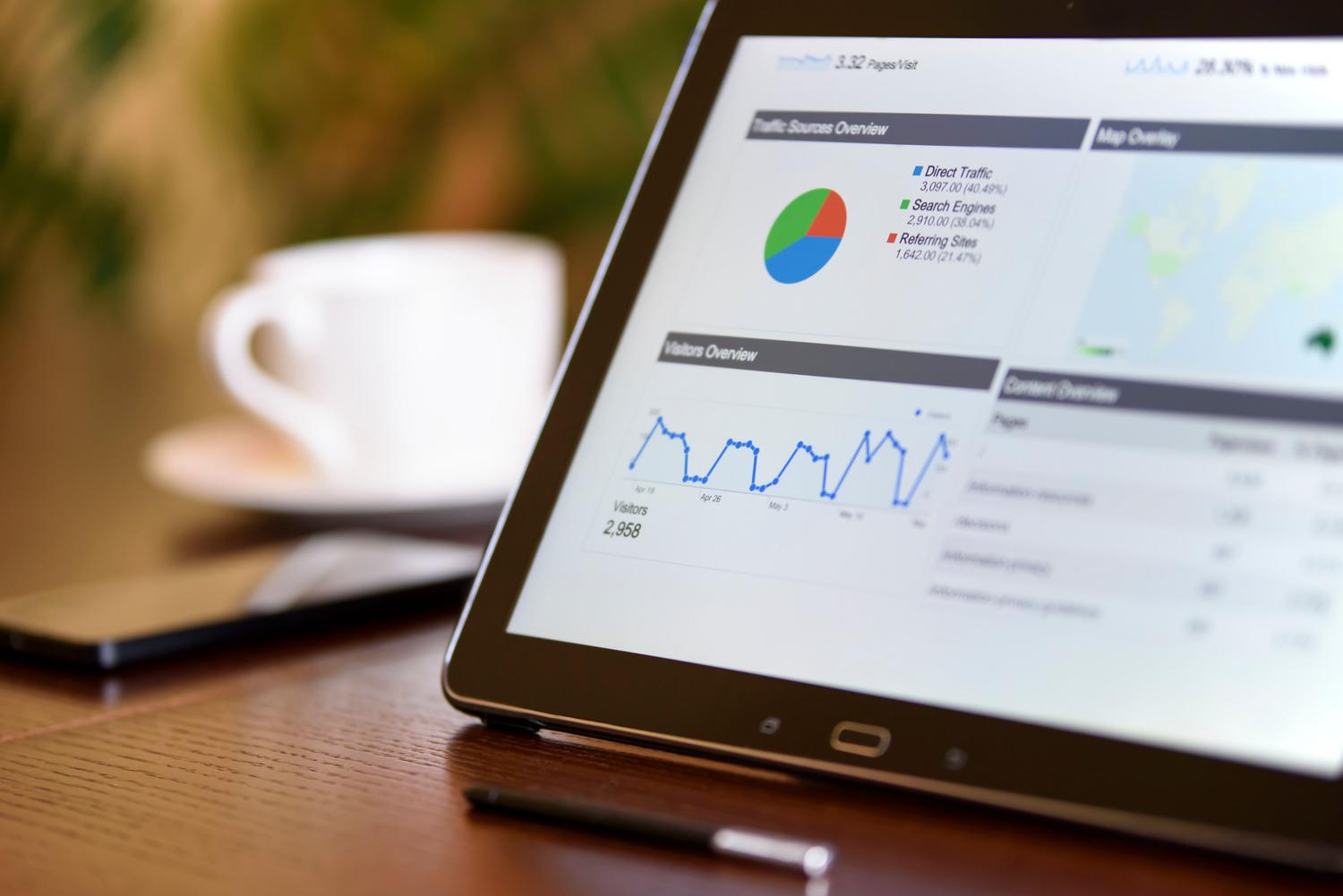
If you decide to go the pay-per-click route, success lies in planning. First, you must conduct thorough keyword research, identifying not only the terms that bring traffic, but also those with purchase intent.
A pro tip is to use negative keywords ; this prevents your ad from appearing in searches you don't want, saving you money and improving the quality of your traffic. Additionally, it's crucial that the landing page is consistent with the ad; if you promise a discount in the ad, the user should find it as soon as they arrive at the website.

Essential tools for the professional
To manage all of this, there are tools that are true lifesavers. Google Ads and Bing Ads are the essential advertising platforms. For competitor analysis and surveillance, tools like SEMrush and Ahrefs are invaluable, as they allow you to track rankings and discover which keywords are working for others.
Practical steps to execute your action plan
To start from scratch, the ideal approach is to first define your ideal customer and your business objectives (do you want leads, sales, or just brand awareness?). Then, move on to keyword research and design ads with engaging and attention-grabbing copy.
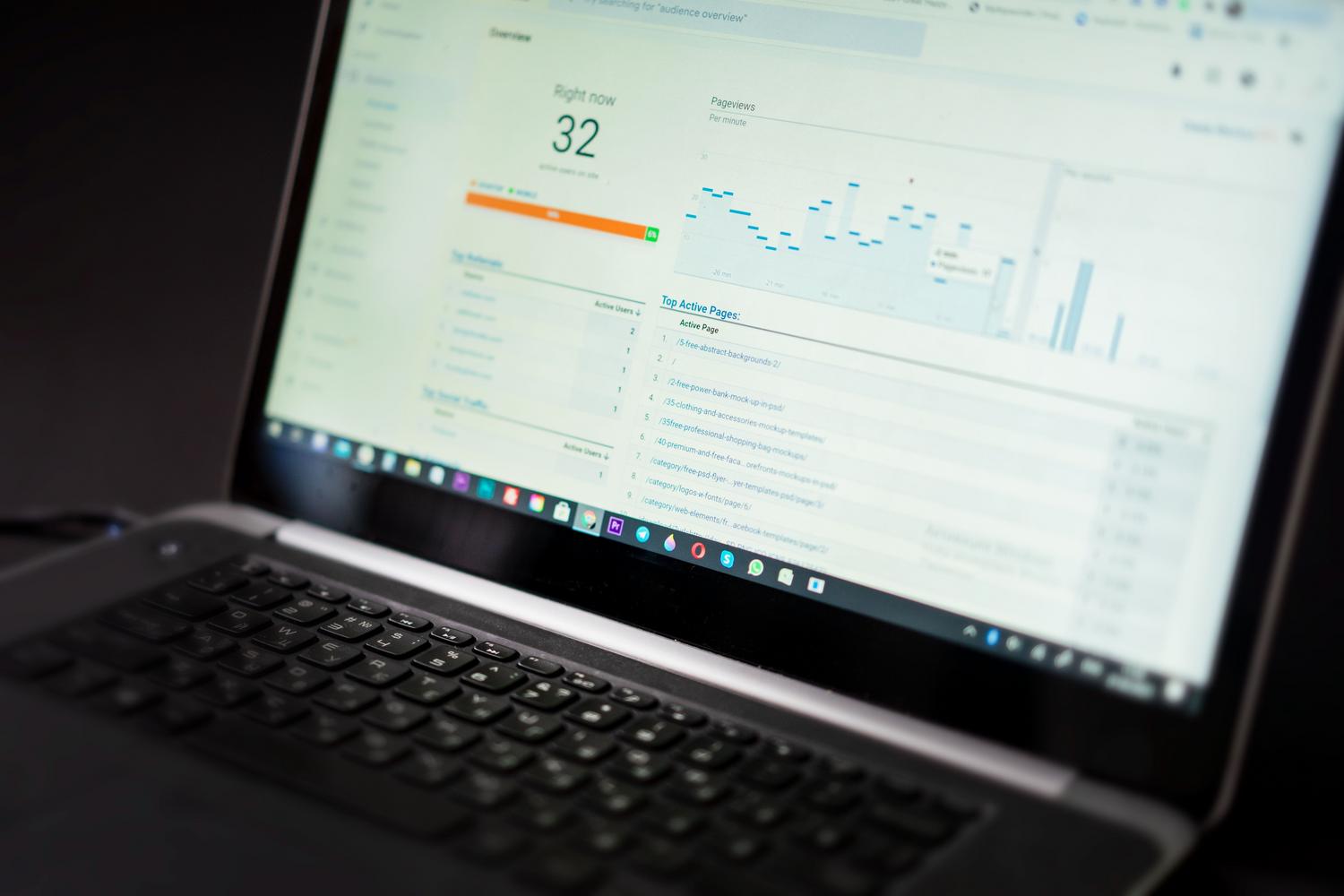
Once the campaign is launched, A/B testing comes into play: try different versions of your ads and landing pages to see which performs best. Optimization is an ongoing process; you need to monitor the data in Google Analytics and constantly adjust bids and targeting to avoid wasting money.
Mastering search engine visibility involves balancing the speed of SEM with the robustness of SEO. By integrating a technically sound web architecture, content that answers real questions, and well-targeted paid campaigns, any business can scale its digital presence, optimize its investment, and effectively connect with its ideal audience.
