- Heating, air conditioning and lighting account for a large part of household energy consumption and offer ample room for savings.
- Choosing efficient appliances, avoiding standby mode and using the washing machine, dryer and dishwasher correctly significantly reduces the bill.
- Saving hot water through efficient showers, temperature control, and leak elimination reduces both water and energy consumption.
- The combination of home automation, good daily practices and improvements in insulation transforms any house into a more sustainable and economical home.
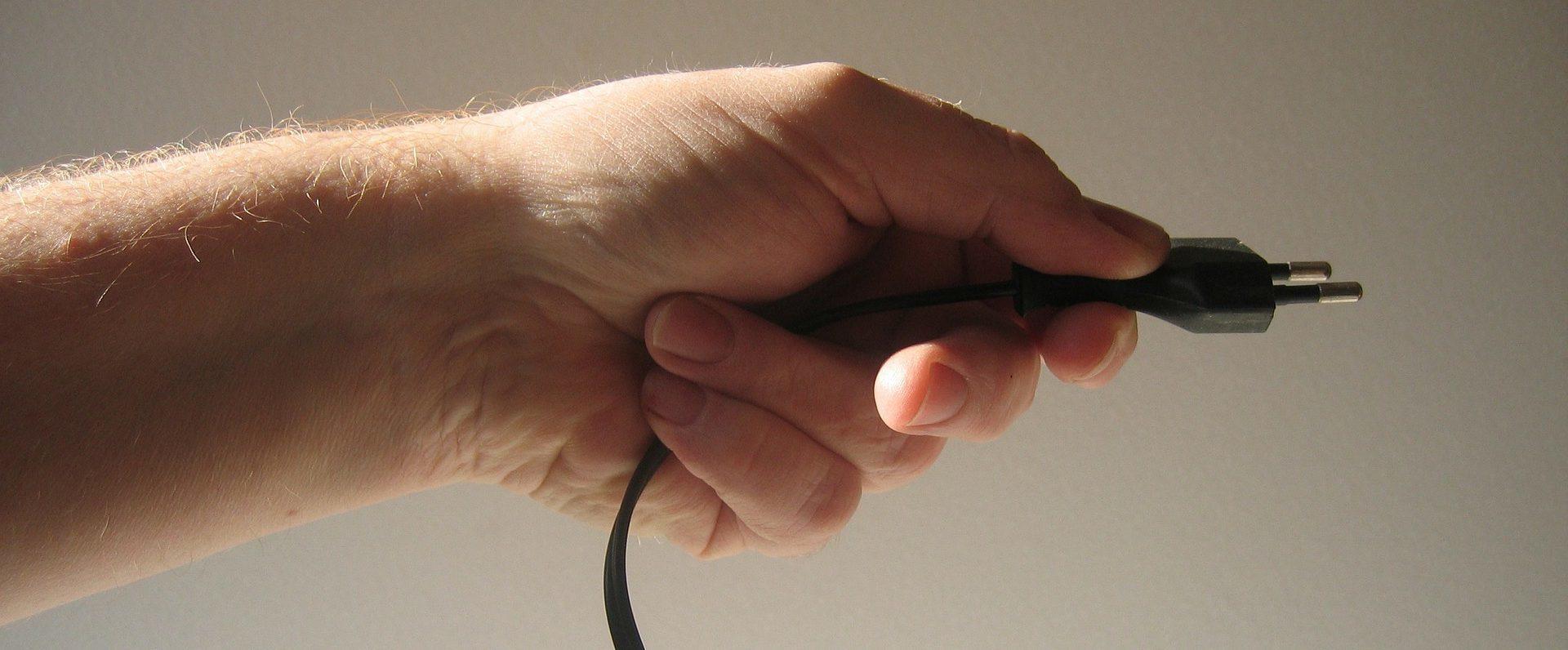
Furthermore, There's no need for huge construction or investment. To notice the difference. Adjusting the heating temperature, making the most of natural light, using appliances efficiently, and avoiding water waste are simple actions that, added up day after day, can be equivalent to almost a year's worth of energy savings. Let's look, step by step, at all the areas of the house where you can reduce consumption without sacrificing comfort.
Interior lighting and energy efficiency
Interior lighting is key Lighting is essential for the ambiance of any home or office and, at the same time, a significant source of energy consumption. Good lighting design isn't just about adding more or fewer lamps: it's about combining natural and artificial light, choosing efficient technologies, and adhering to regulations to enhance comfort, safety, and well-being.
Firstly, Make the most of natural light It helps reduce the amount of time we need the lights on. Placing work areas near windows, using light curtains, light colors on walls and furniture, and keeping windows clean are very simple tricks that reduce the use of artificial lighting to the bare minimum.
When it's time to turn it on, The choice of light bulb makes all the differenceLED bulbs consume up to 80% less energy than traditional incandescent bulbs to provide the same level of light and also last for many more hours. CFL energy-saving lamps also offer significant savings, although they are not ideal for places where they are switched on and off frequently, as this shortens their lifespan.
Within the category of energy-efficient light bulbs, versions with electronic ballast They last longer and consume less energy than conventional ones. A simple way to distinguish them is by weight: conventional ones are usually much heavier (over 400 grams), while electronic ones weigh around 100 grams, making them easier to install and use.
Another very useful element are the electronic light intensity regulatorsThese features allow you to adjust the amount of light to suit any situation. If you don't need maximum illumination, lowering the intensity reduces energy consumption and extends the life of the bulbs. Combined with occupancy sensors in hallways, garages, or passageways, this prevents lights from being left on in empty rooms.
Lastly, it is important internalize good habits with lightingTurn off the lights when you leave a room, check that no lights are left on when you're gone for hours or days, and forget the old myth that it costs more to turn lights on and off than to leave them on. That myth is long debunked: the light switch is your best ally for saving electricity.
How to save on heating without getting cold
Heating accounts for the largest share of energy consumption In many households, heating accounts for around 40% of the total annual energy bill, according to expert guides, even though it's only used during the colder months. Therefore, any improvement in this area has a huge impact on the bill and CO₂ emissions.
The first step is periodically check the heating systemBoilers, radiators, heat pumps, and underfloor heating systems all require maintenance to function properly. Equipment in poor condition consumes far more energy than necessary and increases the risk of costly breakdowns. A proper tune-up can result in savings of around 15% without replacing the system.
The setpoint temperature is another decisive factor: keep the house between 19 and 21 ºC It's usually warm enough to feel comfortable if you're wearing warm underwear. At night or when the house is empty, lowering the thermostat to around 16°C, instead of turning it off completely and letting it get too cold, will save energy when you reheat it.
Install thermostats and, if possible, programmable chronothermostats It's a very cost-effective measure. A simple thermostat already helps prevent excessive energy consumption spikes, and when you can also program schedules and temperatures, you can achieve savings of between 8% and 13%. Adjusting the heating so that it only operates at full capacity when people are actually home is one of the most effective measures.
Insulating the building envelope is essential: good windows, doors, and insulated walls They can reduce heat loss by up to half. It's not always possible to change everything, but you can improve gaps with weatherstripping, hang thick curtains in winter, or use rugs to reduce the feeling of cold on the floor.
In everyday life, it is advisable ventilate the house briefly and in a concentrated mannerOpening the windows for 10-15 minutes a day is enough to refresh the air; any longer only cools the house and forces the heating system to work harder again. It's also a good idea to turn off the heating or lower the temperature when you know the house will be empty for many hours at a time.
Efficient air conditioning and climate control
Air conditioning can significantly increase electricity consumption. If not used wisely, both in summer and winter when used as a heat pump, choosing the right equipment and operating it correctly is key to maintaining comfort without being shocked by the bill.
The first is properly size the power of the equipmentAn undersized air conditioner will operate at its limit and consume a lot of energy, while an oversized one will cycle on and off constantly, which is also inefficient. It's advisable to calculate the actual needs of each room (size, orientation, insulation) and choose units with a good energy efficiency rating.
Regarding the temperature, Set the thermostat to around 25°C in summer It usually provides a pleasant feeling without waste. Lowering the thermostat to 20°C to make the house like a refrigerator results in a disproportionate increase in energy consumption. Every degree difference with the outside temperature significantly increases the energy needed for cooling.
Regular maintenance is essential: Clean or change the filters every few days of heavy use. It prevents the motor from having to work harder to move the air. In addition, checking the equipment every two years helps detect refrigerant leaks or performance problems that might otherwise go unnoticed but increase costs.
An interesting strategy is Turn off the air conditioning when the space is already cool. Switch to fan mode to maintain the temperature longer without using as much energy. Using blinds, awnings, and cross-ventilation at night also helps reduce accumulated heat, meaning fewer hours of air conditioning per day.
Efficient lighting in the home: practical tips
Lighting accounts for approximately 9% of energy consumption In a home, most of the potential savings come from small changes in behavior rather than large investments. These are simple gestures that, once they become habits, are barely noticeable but add up significantly at the end of the year.
It is essential in everyday life Take advantage of natural light as much as possibleRaising blinds, opening curtains, and arranging furniture so that the areas where you spend the most time (desk, dining table, reading nook) receive direct natural light greatly reduces the time that artificial lights are on.
It is also key Avoid leaving lights on in empty roomsTurning off lights when leaving a room, bathroom, or kitchen should be automatic. Before leaving home for several hours or on a trip, it's worth taking a quick look around to make sure no lights are left on unnecessarily.
Replace the old lamps with low-energy light bulbs and, preferably, LEDs It's another very cost-effective option. Although the initial investment may be somewhat higher, it's quickly recouped thanks to their lower energy consumption and the enormous lifespan of these bulbs, which can last up to eight times longer than traditional ones.
In homes where extra comfort is desired, home automation applied to lighting It allows you to control the intensity, program schedules, and manage automatic lighting. For example, presence sensors that turn on the light only when they detect movement, smart bulbs that can be adjusted from your mobile phone, or systems that raise and lower blinds depending on the amount of natural light help reduce the unnecessary use of artificial lighting.
These types of smart solutions not only provide comfort and quality of life, but also They can cut up to 50% of the energy consumption associated with lighting. when well designed and used, integrated with the control of heating, air conditioning and domestic hot water.
Energy savings in household appliances
Household appliances account for approximately 12% of energy expenditure At home, choosing efficient appliances and using them properly are key. In recent years, many labels and campaigns promoting "eco-friendly" equipment have appeared, and it's important to know how to interpret them.
In Europe, The energy label classifies household appliances. Appliances are categorized according to their energy consumption. The most efficient are in the higher classes (such as A+ and A++ in previous labels, or in the new A to G scales), while the least efficient are in the lower classes. Over a period of 10-15 years of use, the difference between an efficient appliance and a less efficient one can multiply energy costs several times over.
Therefore, whenever possible, It pays to invest in appliances with the best energy efficiency rating. that you can afford. Although the purchase may be slightly more expensive initially, the savings on electricity and water bills over its entire lifespan usually more than compensate for the price difference compared to less efficient options.
Another important aspect is the hidden power consumption in standby modeTelevisions, computers, chargers, stereos, electric water heaters, and many other devices continue to consume energy even when they appear to be switched off. This "false switch-off" can account for around 10% of annual electricity consumption in some households.
To combat it, the ideal thing is Turn off appliances completely when not in use and unplug chargers that are not in use. Using power strips with switches makes it easy to cut power to several devices at once without having to unplug them one by one.
Maintenance also plays a role: clean the rear and ventilation systems regularly Cleaning appliances like refrigerators and freezers helps the motor work less, extending its lifespan and reducing energy consumption. An annual cleaning is usually sufficient to maintain acceptable performance.
In the specific case of televisions, LCD screens and, currently, LED or OLED technologies They typically offer significantly lower energy consumption compared to older devices based on less efficient technologies. When it's time to replace your television, this is something to keep in mind.
For desktop and laptop computers, it is recommended Look for the “Energy Star” label or other efficiency certifications, and also activate sleep and energy-saving modes. Completely turning off the device during long absences reduces its energy consumption to zero, compared to the constant drain in sleep mode.
The washing machine, the dryer, and the dishwasher
Large cleaning appliances (Washing machine, dryer and dishwasher) are responsible for a very significant part of electricity and water consumption at home, but they also offer a lot of room for improvement if used rationally.
In the case of the washing machine, it is important make the most of the load capacityRunning the washing machine half empty means using almost the same amount of water and electricity to wash less laundry. If your machine has half-load programs and you use them when you really don't have enough clothes, you'll also help to reduce consumption.
The washing temperature has a big impact: Low-temperature programs are usually sufficient. To get clothes clean in most cases. Washing at 30°C or 40°C, as opposed to 60°C or higher, significantly reduces energy consumption, since most of the electricity is used to heat the water.
The dryer, meanwhile, It uses considerably more energy than a good spin cycle.Whenever the weather permits, hang your clothes in the sun or on a well-ventilated indoor drying rack. The dryer should be reserved for occasional use or situations where natural drying isn't feasible.
As for the dishwasher, its main consumption (up to 80%) is also allocated to heat the water for the wash cycleTherefore, using eco or low-temperature programs significantly reduces energy consumption. Furthermore, it's best to run the refrigerator only when it's completely full, unless it has a specific, truly efficient half-load option.
An interesting detail is that, from an energy perspective, It is more efficient to use the dishwasher than to wash dishes by hand Leaving the tap running. Modern models optimize water and heat usage better than hand washing, provided the appropriate cycles are used and pre-washing with hot water is avoided.
The kitchen as a key to saving money
The kitchen accounts for a significant portion of energy consumption. Household expenses can reach around 10-11%, not including the washing machine and dryer when they are installed there. The good news is that it's one of the rooms where it's easiest to cut costs with small changes in habits.
If we look at cooking methods, Not everyone spends the same amount to prepare a dishGenerally speaking, the order from most to least energy efficient would be: microwave, pressure cooker, traditional stove (gas or electric), and finally, oven. Pressure cookers, for example, significantly reduce cooking times and, therefore, energy consumption.
In electric cookers it is advisable take advantage of the residual heat from the platesTurning off the heat a little before the dish is ready allows the food to finish cooking with the accumulated heat, without consuming extra energy during those last few minutes.
If you have the option, Gas stoves are usually more efficient Unlike conventional electric hobs, this one allows for better power control and more efficient energy use. In any case, using flat-bottomed cookware of the appropriate size for the burner or hob helps avoid wasting cooking power.
The refrigerator is another major contributor to energy consumption in the kitchen, as it is switched on 24 hours a day. It is important Use it with common senseAvoid opening the door more than necessary, check that the rubber seals are properly closed, do not put very hot food inside, and place it away from heat sources such as the oven, stove, or radiators.
A simple but very effective task is defrost the refrigerator or freezer When the ice layer reaches a few millimeters thick, this frost acts as an unwanted insulator and can increase energy consumption by up to 30%. Maintaining a temperature of around 6°C in the refrigerator and -18°C in the freezer is usually sufficient to safely preserve food without waste.
Regarding the dishwasher, which we've already seen, it's worth remembering that their lower temperature saving programs They are the preferred option for reducing expenses. Scraping food scraps instead of rinsing with hot water before putting dishes in the dishwasher also helps, as it avoids unnecessary water and energy consumption.
How to reduce water and energy consumption
Water is another major resource that is wasted at home.And its use is directly related to energy, especially in the case of domestic hot water. Saving water not only reduces the bill, but also lowers the environmental impact, particularly in water-scarce areas.
A basic change is Turn off the taps when they are not in useIt seems obvious, but a lot of water is wasted while we're washing our hands, shaving, brushing our teeth, or doing the dishes. Making it a habit to turn the tap off and on again when needed makes a big difference over the course of a month.
It is recommended Check the plumbing installation for small leaksA continuous drip from a tap or a toilet cistern that leaks almost imperceptibly can waste tens of liters a day. Furthermore, hot water pipes should be well insulated to prevent heat loss along the way.
In the shower, significant savings can be achieved with several measures: firstly, install a water thermostat It helps maintain a stable, desired temperature without constant adjustments, which can save around 6% of energy. On the other hand, a water temperature between 30°C and 35°C is usually sufficient for a comfortable shower.
It is also preferable Take a shower instead of filling the bathtubSince water and energy consumption for heating it is much lower. Complementing this with a low-flow showerhead, which reduces the flow while maintaining comfort, multiplies the savings without compromising quality in daily use.
Regarding the hot water production system, accumulators or storage systems They are usually more efficient than instantaneous water heaters for certain uses, as they allow you to heat water during the cheapest hours (if you have a time-of-use tariff) and keep it at a temperature with a lower overall cost.
In the kitchen, from an energy perspective, Use the dishwasher instead of washing dishes by hand. Leaving the tap running is also a way to save water and energy. Adjusting the amount of detergent, choosing eco programs, and fully loading the machine are practices that contribute to making this appliance truly efficient.
Home automation, smart home and consumption habits
Smart home technology goes far beyond that from asking a voice assistant to play music. When used properly, home automation becomes a powerful tool for controlling and reducing energy consumption in the home.
The efficient connected air conditioning systems They allow you to control heating and air conditioning from your mobile phone, schedule when they turn on based on time and occupancy, or even adapt to the weather forecast. This prevents the house from heating up or cooling down when no one is home, and adjusts the temperature only when necessary.
In lighting, the presence sensors and dimmable smart bulbs They make the lights turn on only when motion is detected and turn off automatically after a period of inactivity. Furthermore, it's possible to select scenes with different intensities depending on the activity, always consuming the minimum amount of energy necessary.
Some automated systems can raise or lower blinds autonomously Depending on sunlight or the outside temperature, it helps to heat the house with the sun in winter and keep it cool in summer. This reduces the effort required by the heating or air conditioning to maintain indoor comfort.
Taken together, when these solutions are designed with common sense, Intelligent control systems can cut electricity consumption by up to half related to lighting, climate control, and hot water. It's an investment that, in addition to providing comfort, offers a return in the form of monthly savings.
Beyond technology, it is essential to know your consumption habits and the contracted electricity and gas tariffReviewing your bills to understand when and how intensely you consume energy allows you to choose the tariff option that best suits your lifestyle, which can also mean considerable savings without changing a single appliance.
Turn your house into an efficient home
The energy efficiency of the building itself It greatly influences household consumption. When buying a home, it's advisable to consider its energy rating and aspects such as orientation, type of insulation, window quality, and the presence of efficient heating and hot water systems.
Homes with good energy certification usually have a more sustainable design and lower air conditioning demandThis translates into lower bills throughout the building's lifespan. Financial institutions and public administrations are beginning to offer specific products (green mortgages, renovation grants) to facilitate access to these types of properties.
If you already own a home and don't plan to move, you can also transform your current home into a much more efficient oneActions such as improving insulation, replacing windows with double or triple glazing models, replacing a very old boiler with a condensing boiler, or installing intelligent climate control systems involve an initial investment, but reduce consumption year after year.
To plan these improvements, it is useful run the numbers using simulation tools or loan comparison websites They can help you calculate the cost of the renovation and how much you'll save on energy afterward. In many cases, part of the loan payment is offset by the money you save on your monthly bills.
In any case, even without major works, The key is to maintain a consistent attitude towards saving.It's not about applying all the advice at once and constantly checking every light switch, but about gradually incorporating the habits and improvements that best suit your home and lifestyle until they become almost automatic.
In the long run, the sum of small daily gestures and some smart decisions It transforms your home into a more comfortable, healthy, and economical space. Lowering the temperature a couple of degrees, turning off standby devices, choosing LED light bulbs, using the dishwasher properly, reducing shower time, or improving insulation all contribute to a more sustainable home, and your wallet will feel the difference month after month, proving that saving energy is more a matter of consistency than major sacrifices.