- AI acts as a transformative engine that optimizes everything from early diagnosis and precision medicine to hospital administrative management.
- The deployment of these technologies is governed by a strict European legal framework, focused on patient safety and the protection of sensitive data.
- The integration of deep learning and natural language tools allows for more personalized care, reducing the doctor's bureaucratic burden.
Not long ago, the idea of a machine helping to cure diseases seemed like something out of a science fiction movie, but today AI is a tangible reality in the halls of our hospitals. It's not just about installing new software; it's a force that is changing the rules of the game in healthcare, making services more efficient, accessible, and, above all, sustainable for the public system.
Implementing these technologies is no easy feat, as it involves moving from theory to real-world clinical practice where accuracy is a matter of life or death. The goal is clear: to harness the potential of algorithms so that doctors have more time for their patients and less paperwork, ensuring that no one is left behind in accessing these advancements.

What exactly do we mean when we say AI in medicine?
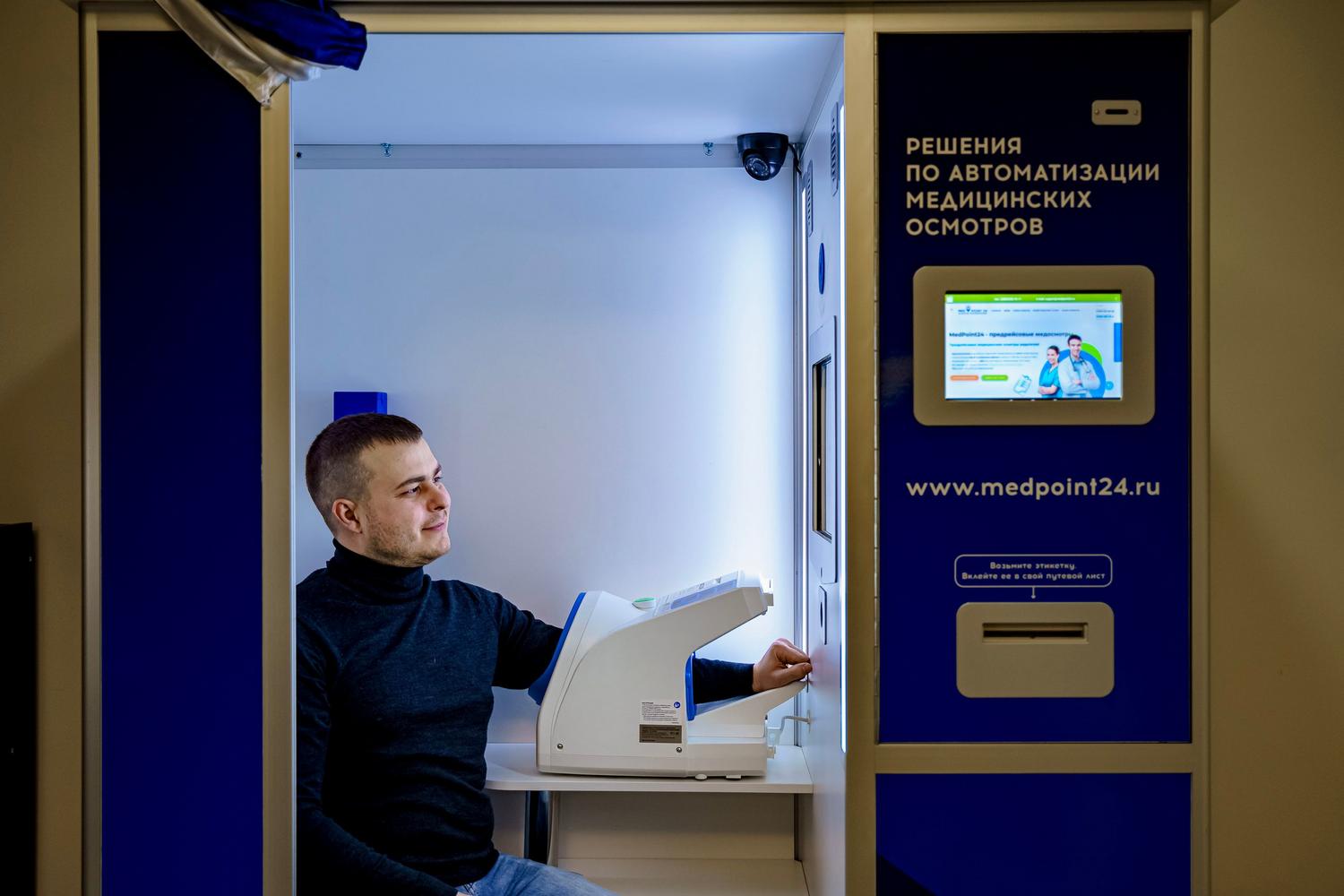
Basically, we're talking about algorithms capable of learning from vast amounts of data, whether it's radiological images, blood tests, or handwritten notes from a doctor. These tools aren't meant to replace doctors, but rather to support them in decision-making by analyzing patterns that might escape the human eye.
Within this field, several branches share the workload. Machine Learning is the most common for handling structured data and calculating risks using scores. Deep Learning , on the other hand, mimics the human brain to process more complex data, such as ECG or MRI signals. Then there's Natural Language Processing (NLP) , which is responsible for reading and understanding medical records, and Generative AI , which can draft reports or summarize scientific literature in the blink of an eye.
Real impact on clinical practice and diagnosis

The ability to anticipate problems is where AI truly shines. For example, in ICUs, systems already exist that predict sepsis hours before the patient shows symptoms, allowing for rapid intervention and saving lives. In the case of breast cancer, AI in mammography is achieving a level of accuracy that sometimes surpasses even the most experienced radiologists.
Looking at specific tools, we have gems like Aidoc and Nanox.AI , which prioritize urgent cases in radiology so that doctors can see the most serious cases first. In digital pathology, PathAI and Paige.AI analyze biopsies to detect tumors with astonishing accuracy, reducing variability between different pathologists' opinions. Even in emergency departments, Viz.ai is key to detecting strokes or pulmonary embolisms in record time, instantly coordinating the entire medical team.
Optimizing the doctor's management and daily routine
Diagnosis isn't everything; the administrative side is what often drives healthcare professionals crazy. This is where tools like Abridge come in , transcribing the conversation between doctor and patient and generating a draft of the clinical note, saving the doctor hours of writing at the end of the day. For managing small clinics, Carepatron helps organize appointments and billing without complications.
Regarding training, platforms like Virti allow residents to practice difficult situations, such as delivering bad news, through immersive simulations. For quick, science-based answers to questions, Consensus synthesizes peer-reviewed studies, while MDCalc offers hundreds of validated medical calculators so you don't have to do mental calculations in the middle of an emergency.
The leap forward in the pharmaceutical industry and public health
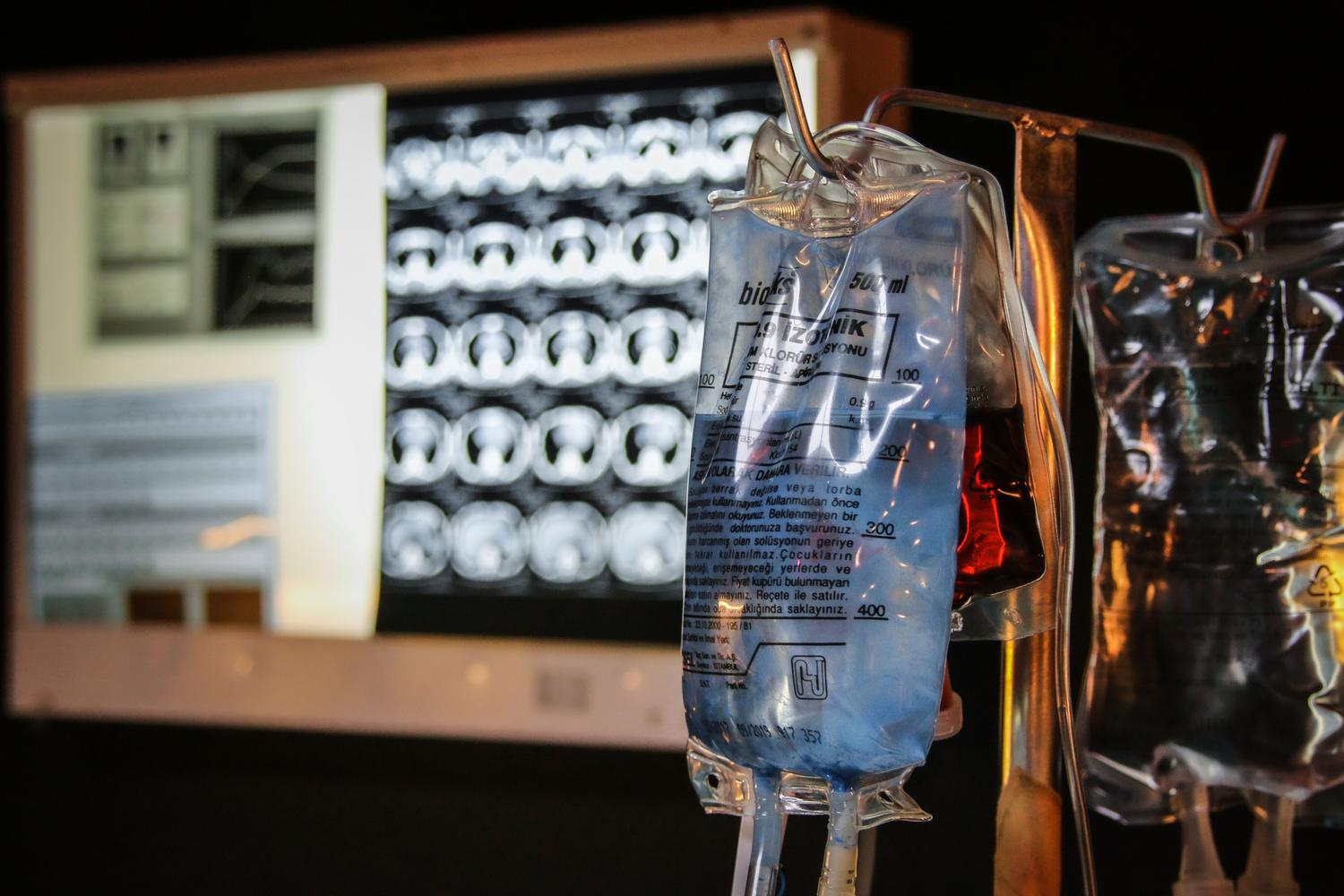
The drug lifecycle is accelerating thanks to AI. From the discovery of new molecules with Insilico Medicine to the optimization of clinical trials using digital twins, this means drugs are reaching the market sooner, are safer, and, in many cases, are tailored to the patient's genetics—what we know as precision medicine , where Tempus AI is a leader in combining genomic and clinical data.
At the population level, AI enables epidemiological surveillance . By analyzing massive amounts of data, disease outbreaks can be predicted before they become epidemics, allowing health authorities to deploy resources where they are truly needed and preventing the collapse of healthcare facilities.
The legal framework and ethical challenges in Europe
To prevent this from turning into the Wild West, the European Union has stepped in. The AI Act , in force since August 2024, classifies medical systems as high-risk, requiring them to be transparent and always have human oversight. Furthermore, the European Health Data Area (EHDA) aims to ensure that data is shared securely for research purposes, without compromising privacy.
However, it's not all rosy. There are risks such as algorithmic bias , where an AI could make incorrect diagnoses if it was trained only on a specific group of people. There's also the danger of cybersecurity, as hospitals are frequent targets of ransomware. That's why it's vital that AI be explainable ; that is, that the doctor understands why the machine reached that conclusion and doesn't simply trust it blindly.
Towards a hybrid care model
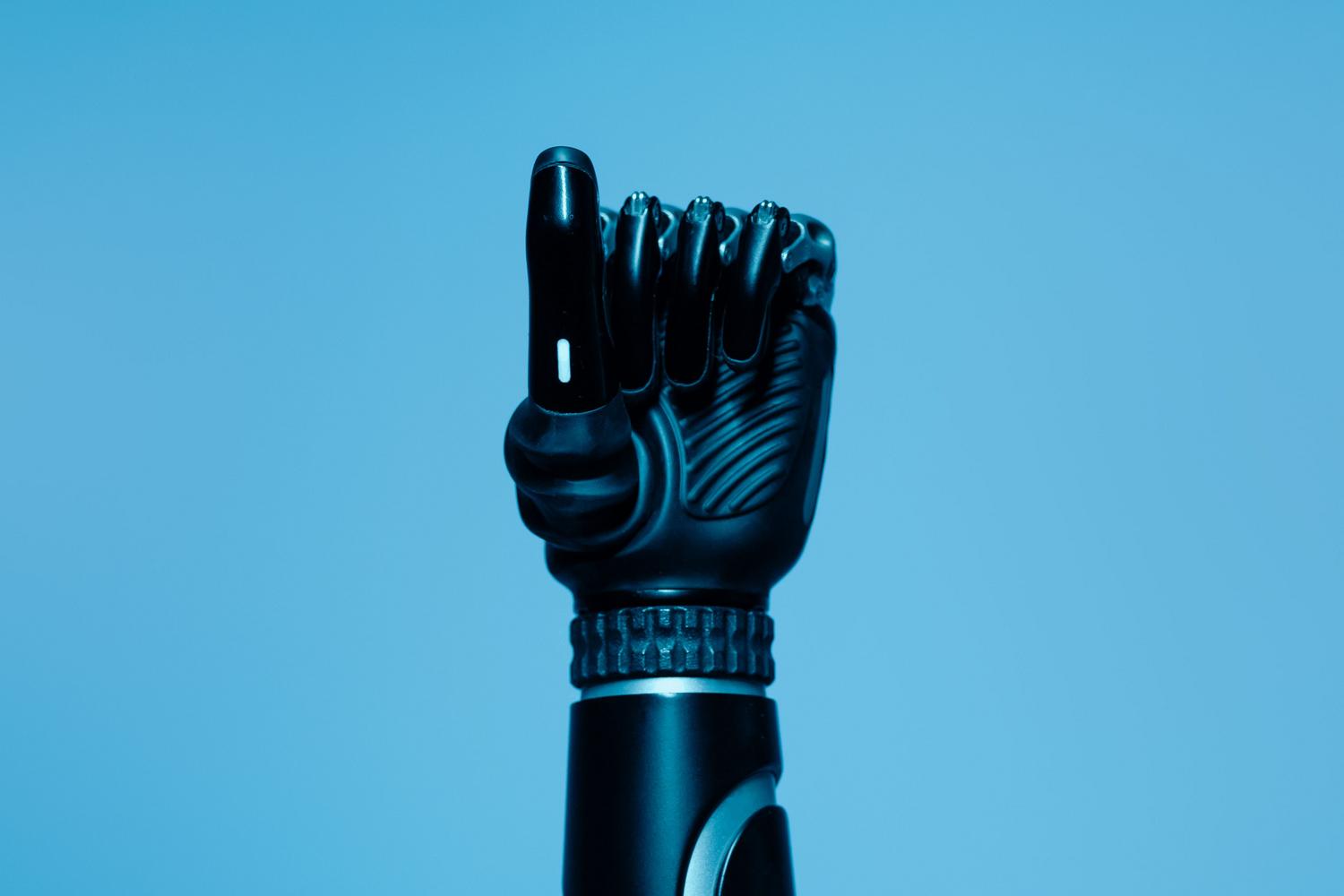
The future lies not in replacing doctors, but in creating an alliance. The One Health strategy , which integrates human, animal, and environmental health, is an example of how supercomputing (like that of 1HealthAI in Galicia) can help us understand health holistically. The key is combining the immediacy and speed of data with the empathy and clinical judgment of the professional.
Digital transformation has moved beyond simply digitizing documents to using AI to personalize every treatment. From remote monitoring with Huma to prioritizing genetic variants in rare diseases with PopEVE , medicine is becoming more precise. Crucially, this evolution must be managed ethically and responsibly , with technology as the driving force and patient well-being as the guiding principle.
The integration of artificial intelligence in healthcare is redefining medicine, providing unprecedented diagnostic accuracy and freeing professionals from the most tedious tasks. Through a robust European regulatory framework and the adoption of evidence-based tools, we are moving towards a system where prevention, personalized treatment, and operational efficiency enable far more humane and effective care for all of society.