- AI optimizes image resolution in real time through intelligent scaling and automatic sound calibration according to the environment.
- Advanced processors enable natural interaction through voice commands and centralized management of the connected home.
- OLED technology combined with neural networks guarantees perfect blacks and superior visual fluidity in content from any source.
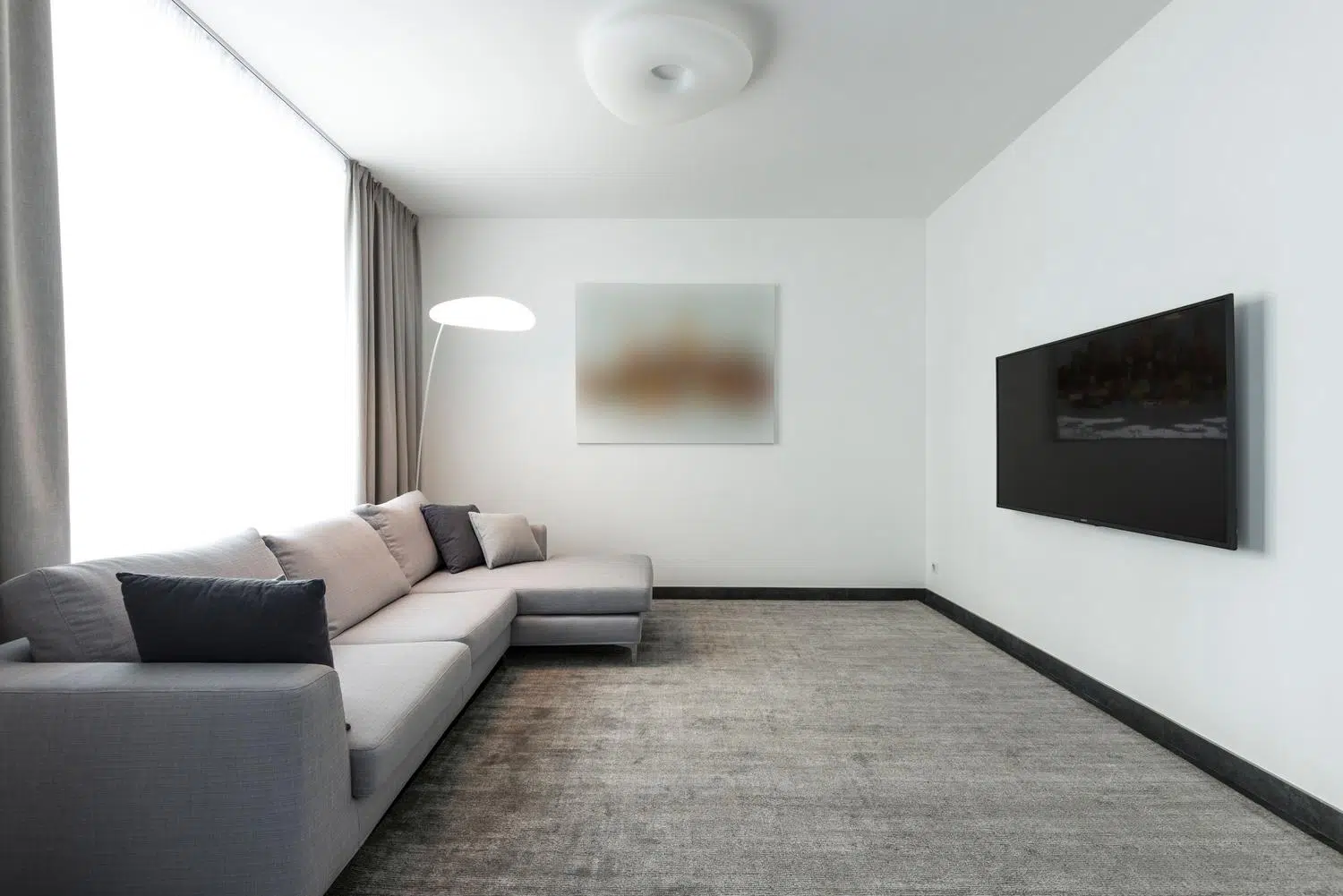
If you're thinking about getting a new TV for your living room, you've probably noticed that everyone's talking about artificial intelligence applied to screens . It's no longer just about having a pretty display, but about an electronic brain that thinks and adjusts every pixel so you don't have to touch a single button on the remote.
The truth is, the technological leap is incredible, especially when we're talking about OLED panels. These screens, already the crown jewel for their vibrant colors and deep blacks, now come with neural network processors that make any old TV series or YouTube video look like a current movie.

The brain behind the image: Processors and Scaling
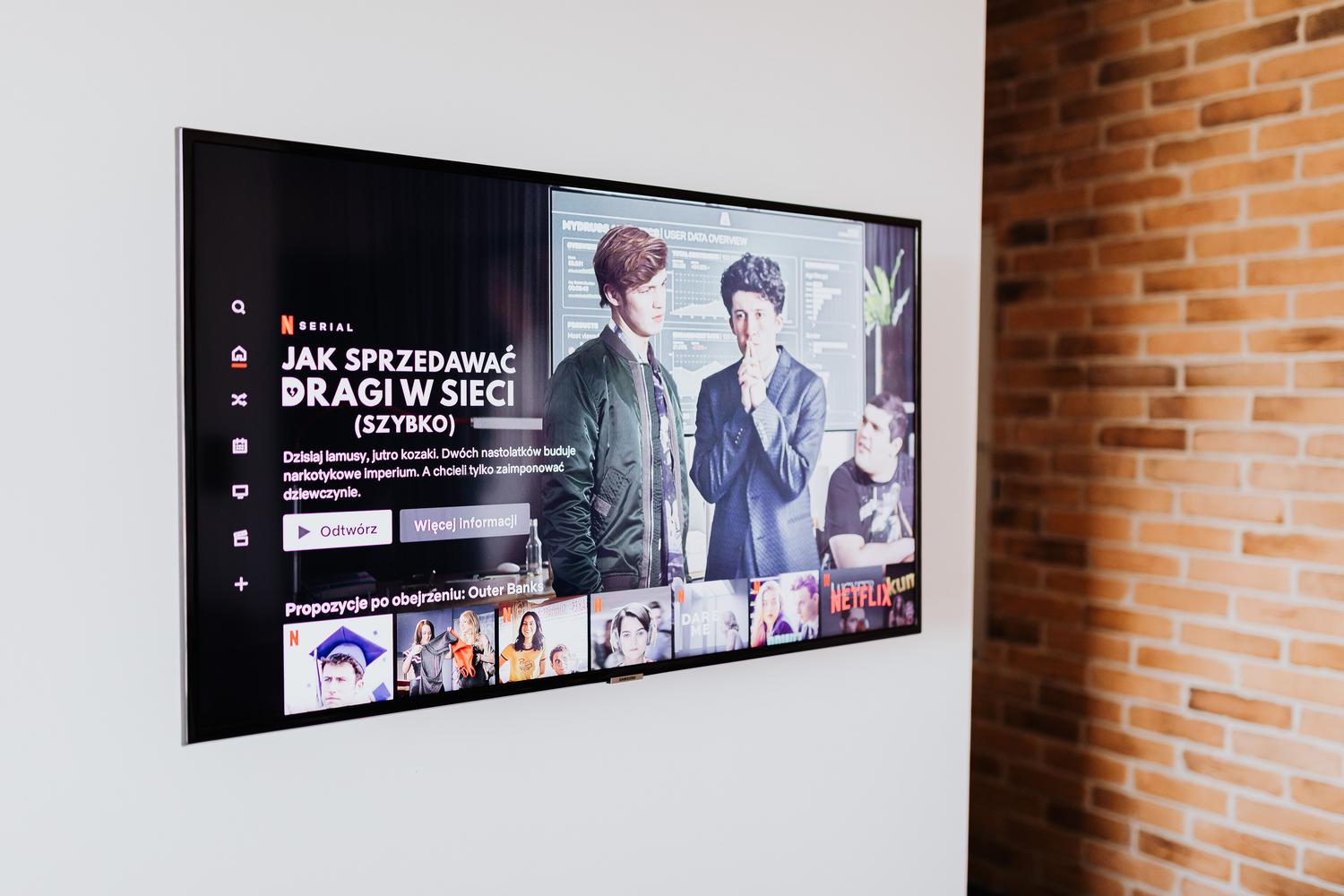
At the heart of these machines are processors like the alpha 11 AI Gen2 or the alpha 9, which don't just reproduce the signal, but analyze it. One of the top features is AI Super Upscaling 4K and 8K , which essentially takes low-resolution content and intelligently "stretches" it, filling in the gaps so the image is sharp and doesn't appear pixelated on giant screens up to 97 inches.
Furthermore, thanks to Dynamic Tone Mapping Pro and AI processing, the TV can recognize what you're watching. A football match is not the same as a horror movie; the TV detects this and automatically adjusts the contrast and brightness so the scene looks exactly as the director intended, without you having to struggle with settings menus.
A sound that adapts to your living room

It's not all about visuals, because audio has also taken a significant leap forward. AI now analyzes your room's acoustics to calibrate the sound. Using technologies like AI Sound Pro and Virtual 11.1.2ch , the TV creates an immersive atmosphere that draws you into the action.
The most curious thing is that these systems can detect annoying noises at home, such as the vacuum cleaner or the noise from the kitchen, and level the volume or amplify the dialogues so that you don't miss a single word of what the actors say, achieving a remastered and professional sound experience.

Natural interaction and smart home

Forget endlessly searching for apps with the remote's arrow keys. With systems like LG ThinQ and the latest versions of webOS, you can control your TV with your voice in a super natural way. You can ask it to play a specific series, find movies starring a particular actor, or even ask it everyday questions, like what the weather is like outside.
But it doesn't stop there, as the television becomes the command center of your home. Thanks to Home Connect , you can manage other smart appliances from the screen, and even connect your mobile phone to the TV to coordinate the entire ecosystem. Furthermore, features like AI Concierge and AI Chatbot make navigation much more intuitive and personalized to your preferences.
Comparison of technologies and models

In today's market, brands like Samsung and LG are leading the race. While LG is heavily invested in its OLED evo and SIGNATURE ranges with alpha processors, Samsung is implementing neural networks in its Neo QLED and OLED TVs to maximize fluidity and detail. Both aim for an organic experience, although some users still have concerns about the privacy of the integrated microphones.
- OLED evo: Ideal for those seeking a balance between extreme brightness and perfect blacks with AI Picture Pro.
- QNED evo: A powerful option with MiniLED that uses Dynamic QNED Color Pro for vibrant colors.
- High-end ranges: Screens that reach up to 100 inches with AI Director Processing for a cinematic finish.
Having an AI-powered TV today means enjoying a device that not only displays images, but optimizes every technical aspect, from energy consumption with AI Energy Mode to audio quality and resolution, making the hardware and software work together to deliver the best possible visual quality without complications.