You've probably noticed your phone is incredibly fast thanks to 5G, but behind the scenes, a silent technological battle is brewing. The networks that formed the foundation of our communication, the famous 2G and later 3G, are being phased out . It's not that they're failing; it's that operators have decided to unplug them to make room for much faster and more efficient technologies, freeing up those frequencies that are now pure gold for the deployment of the new connectivity.
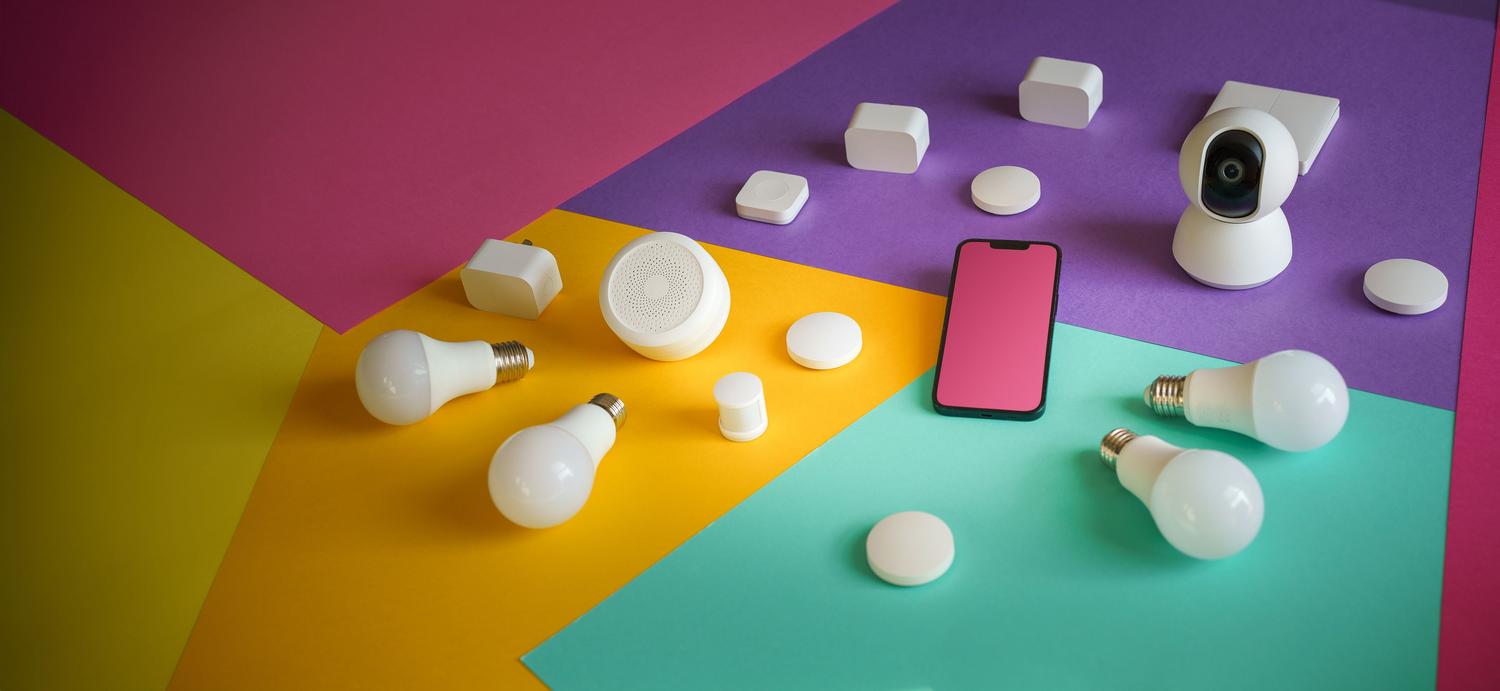
The problem is that, while this may be invisible to the average user, it's a real headache for the Internet of Things (IoT) world. There are thousands of devices, from old alarms to smart meters, that only speak the language of these outdated IoT networks . If they aren't updated, they'll become completely unusable overnight, creating a scenario that some are already comparing to a Y2000K bug , but this time focused on hardware.

Why were these networks shut down?
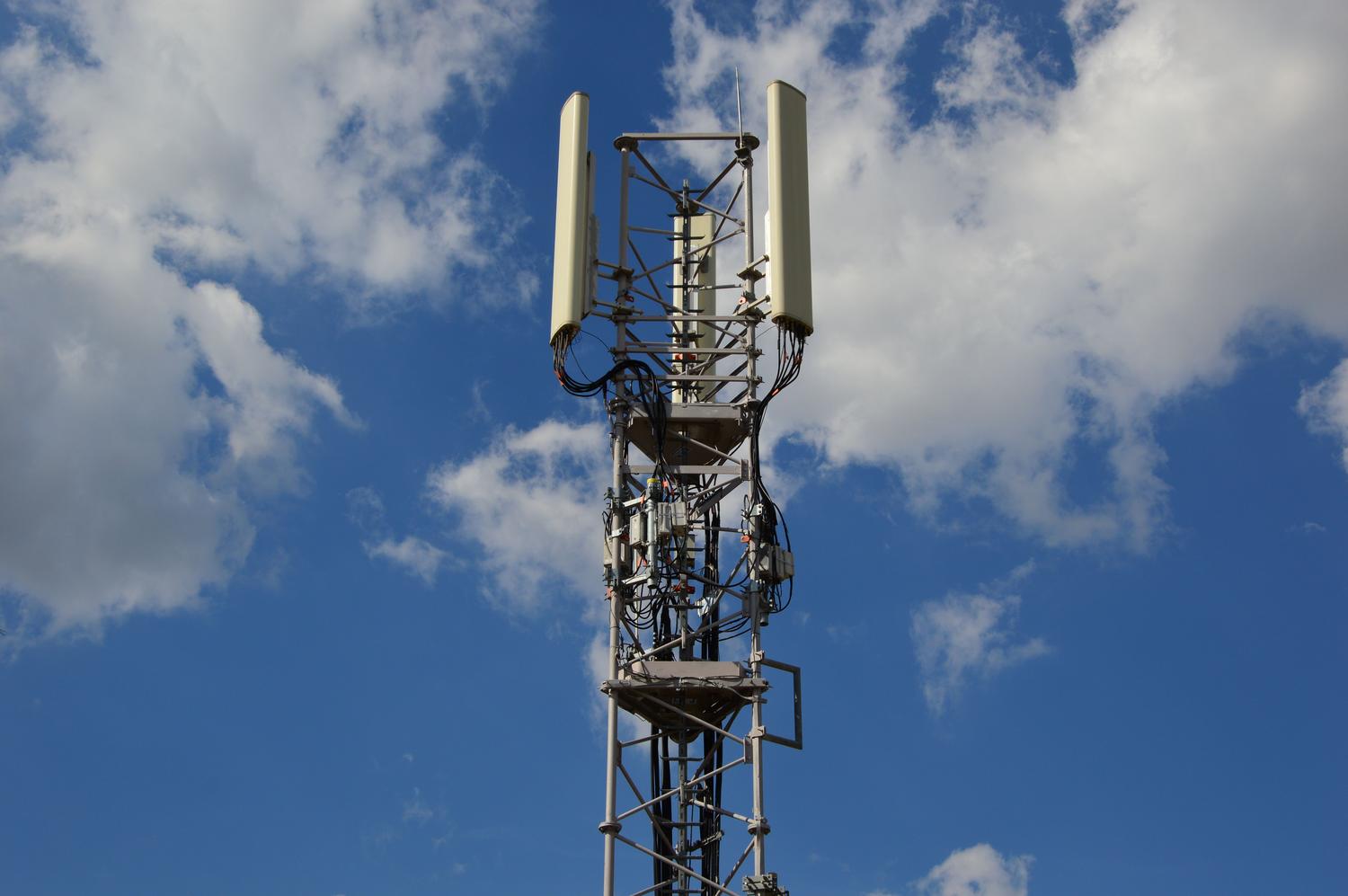
The main reason is purely technical and economic. Radio spectrum is limited, and maintaining aging infrastructure is extremely expensive and energy inefficient . Furthermore, these networks are far more vulnerable to security vulnerabilities than current ones. By shutting down 2G and 3G, operators can repurpose the 900 MHz and 2.100 MHz bands to expand 4G and 5G coverage , especially in rural areas where the signal is still weak.
The blackout map: When does it occur in each location?
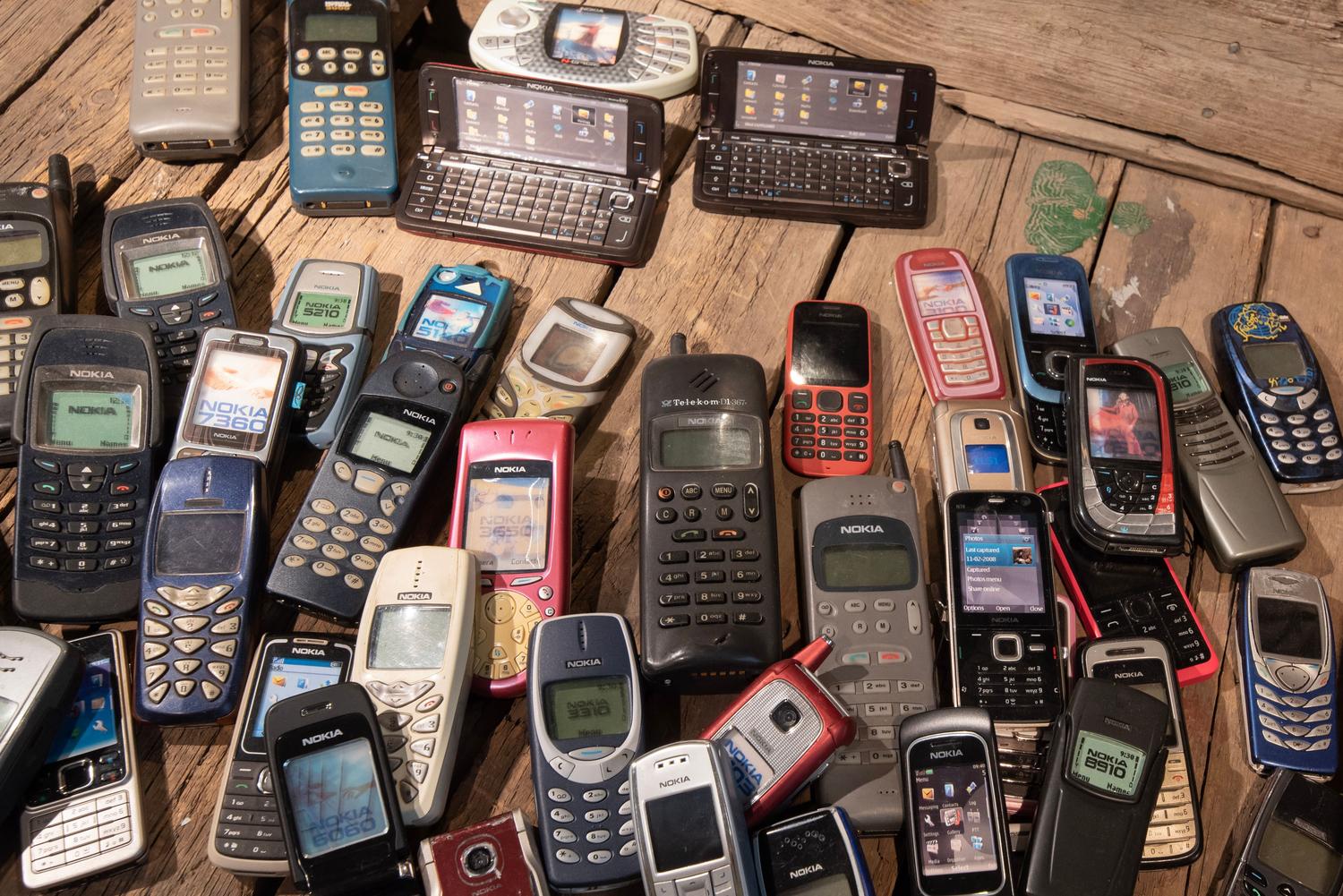
The shutdown is not uniform; it's more like a mosaic where each country is proceeding at its own pace. In the United States, Switzerland, and Australia , the process is practically complete, with most of these technologies already disconnected. In Europe, the situation is more varied:
- Germany: The 3G network has been history since 2021. As for 2G, Deutsche Telekom and Telefónica plan to shut it down by 2028, although Vodafone may have brought forward its timeline. However, for critical IoT applications, the infrastructure will remain in place until... January 2031.
- . The strategy here is to first shut down 3G (with plans extending to 2027) and maintain 2G for longer. Operators like Orange and Vodafone have already made progress in phasing out 3G. However, the government and operators anticipate that the 2G network will remain operational. until the end of 2030 due to dependence on essential services.
- Other European countries: In Austria, 3G has already been phased out and 2G will be shut down between 2028 and 2030. Sweden and Norway are more aggressive and aim to have both networks cleared by 2025 late.

The real danger: Devices that will become obsolete
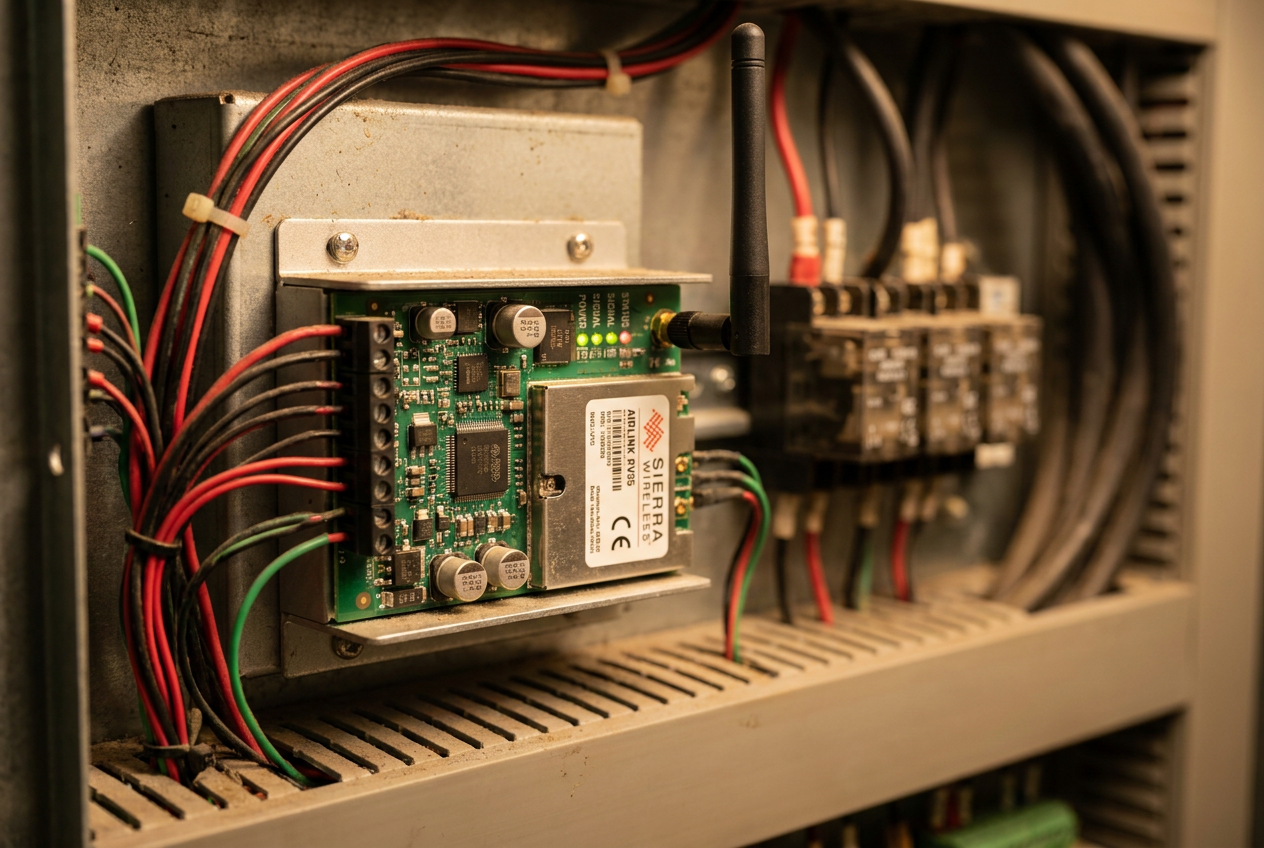
This is where things get complicated. We're not talking about changing a smartphone, but about hardware embedded in infrastructure. Telecare systems and older home alarms often rely on 2G; if the network goes down, help won't arrive. The same applies to card payment terminals in rural areas , where the 2G signal is sometimes the only one available, jeopardizing digital payments in isolated businesses.
One particularly critical issue is elevators . Regulations require them to have two-way communication with rescue centers and to perform self-tests every 72 hours. In Spain, the European country with the most elevators, half a million of them are over 20 years old and use 2G modules. If the power outage occurs without the hardware being upgraded, these elevators would be legally taken out of service .
The eCall dilemma in vehicles
The eCall system, mandatory in the EU since 2018, automatically calls emergency services (112) in the event of a serious accident. Many connected cars manufactured between 2018 and 2024 use 2G/3G networks for this function. Manufacturers like CUPRA and Renault are analyzing the impact. While newer models already use private services or 4G/5G networks (NG-eCall), older models may require over-the-air (OTA) software updates or, in the worst-case scenario, a physical replacement of the communications module.
How to prepare for change?
If you manage a fleet of M2M devices, the first step is to take inventory. It's not enough for a device to simply be "4G," because many older models use 4G for data but rely on 2G for voice (lack of VoLTE compatibility ). Migrating to modern standards designed for the IoT is essential.
- LTE-M: Ideal for trackers and wearables due to its low power consumption and long range.
- NB-IoT (Narrowband IoT): Perfect for fixed sensors in basements or remote areas thanks to its extreme signal penetration.
- 5G-rule: For applications that demand real-time and a massive volume of data, such as Industry 4.0.
It's important to note that the SIM card itself is usually not the problem, as modern M2M SIMs are multi-technology. The bottleneck is the modem or the hardware firmware , which is what really needs updating to avoid losing connectivity.
The transition to a world without 2G and 3G is inevitable and, in the long run, beneficial due to increased efficiency and security. However, it requires urgent planning to ensure that vital services such as telecare, elevator safety, and roadside emergency calls are not interrupted, guaranteeing that the entire ecosystem migrates to modern connectivity standards before legacy antennas are permanently decommissioned.