- Digitalization is transforming the rural sector into an attractive ecosystem for young people through robotics, IoT, and data management.
- A successful generational transition requires combining the veteran's experience with the disruptive and technological capabilities of the digital native.
- Sustainability and automation are key to improving profitability, quality of life, and combating rural depopulation.
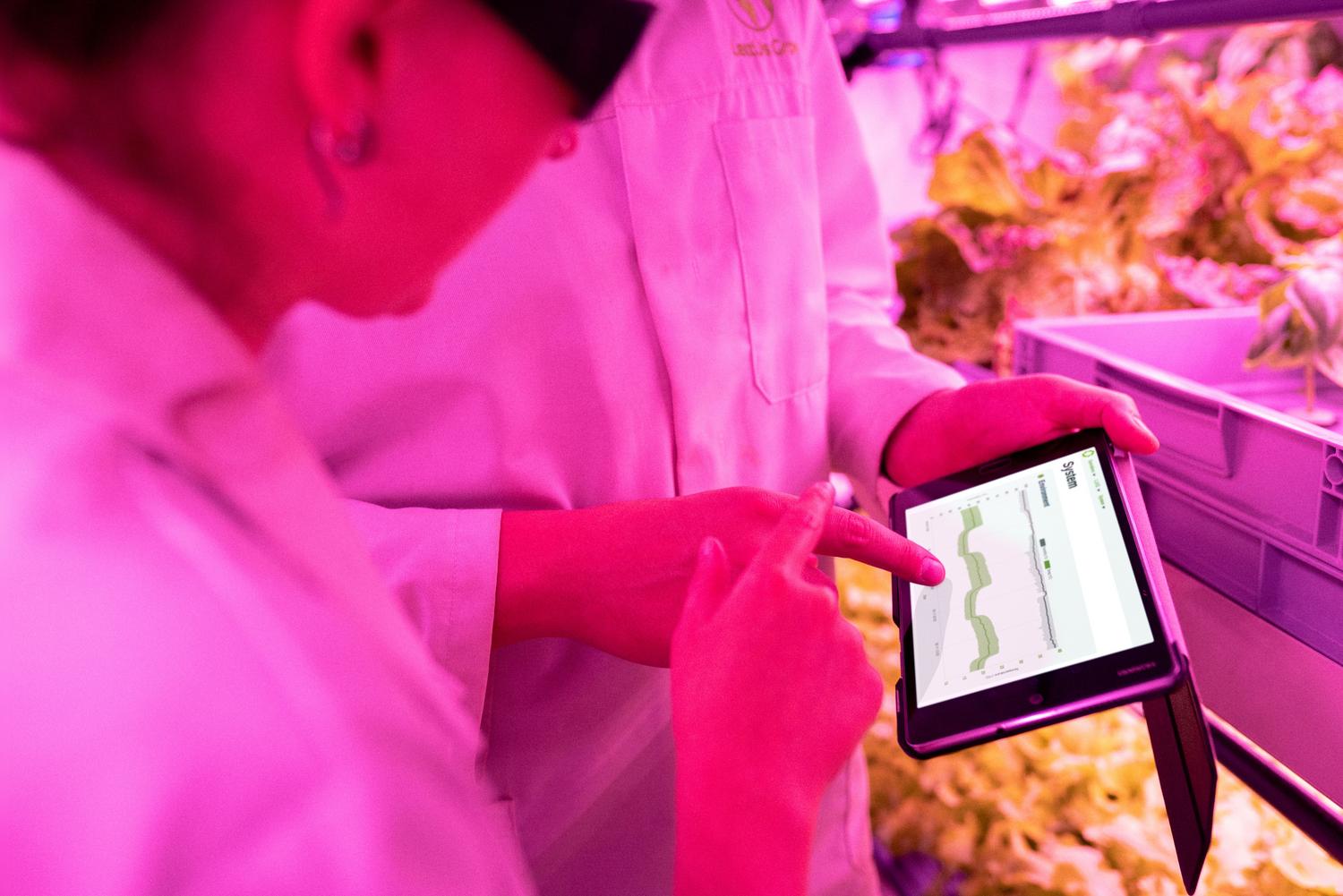
The agricultural sector and traditional businesses are at a critical juncture. What for years has been seen as an inevitable demographic crisis, the well-known problem of generational replacement , is undergoing a complete transformation thanks to the enduring presence of technology. We're no longer just talking about sweat and endless hours under the sun, but about a landscape where data, robotics, and connectivity are the true protagonists, making rural areas once again a magnet for young people.
This metamorphosis is no coincidence. The rise of digitalization is reshaping the profile of agricultural and business professionals, transforming sectors that seemed stagnant into vibrant and attractive ecosystems for digital natives. For those born with a smartphone in their hand, the opportunity no longer lies in repeating the models of the last century, but in leading a precision industry where technological innovation is the primary tool for ensuring profitability and sustainability.

The new face of rural entrepreneurship

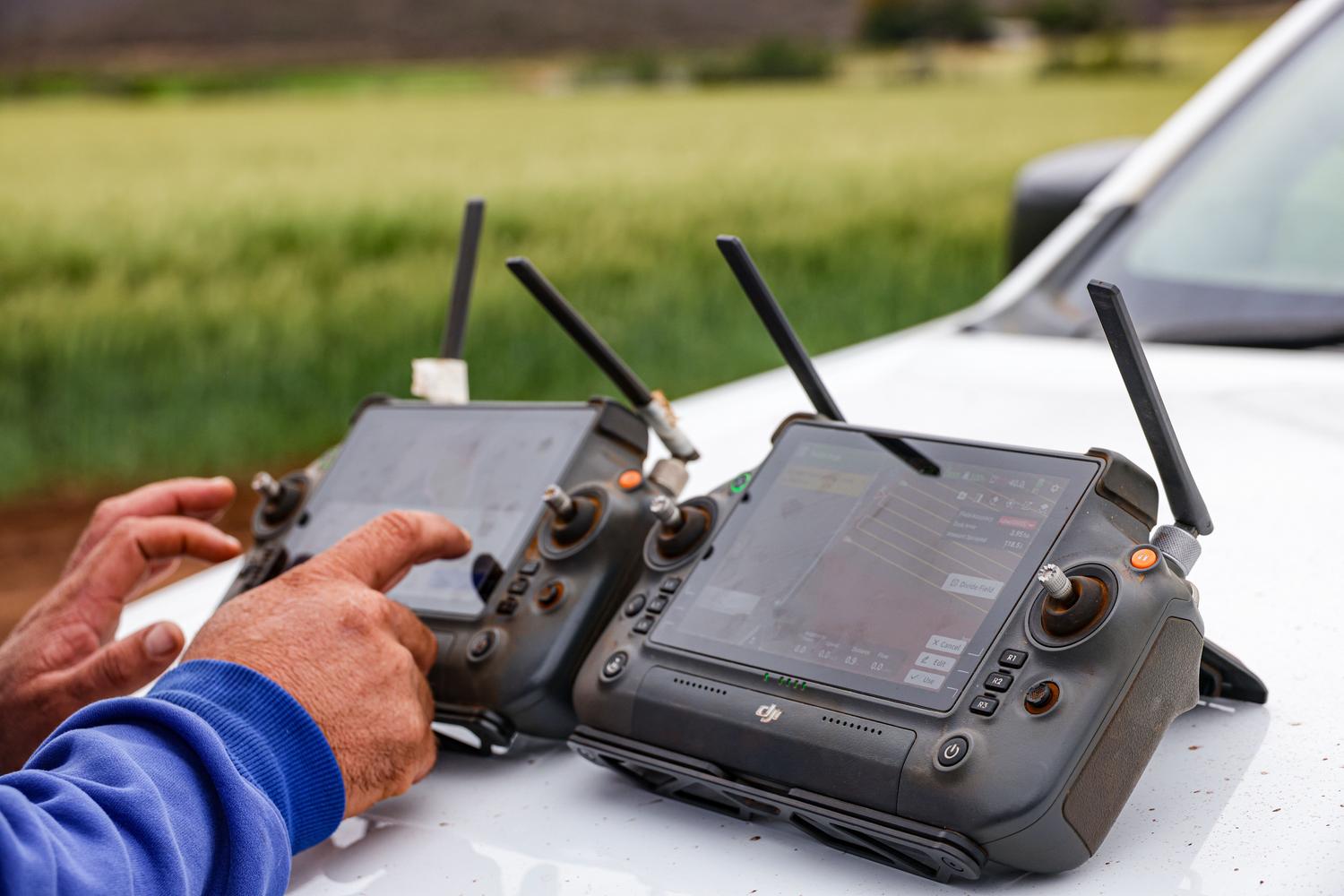
The transition from the hoe to the mobile device has created the figure of the Agro-Entrepreneur . These new professionals are not simply looking to maintain the family business, but to optimize it through telemetry and IoT sensors , leaving behind decisions based solely on intuition and moving towards management based on real evidence. Furthermore, automation enables something previously unthinkable in agriculture: work-life balance , breaking the cycle of long hours that drove away younger generations.
For Millennials and Generation Z, purpose is paramount. That's why using technology to reduce carbon footprints and manage water intelligently aligns perfectly with their values. Technology thus becomes the best antidote to rural depopulation in Spain , as AgriFoodTech generates skilled jobs in the region, requiring mechatronics experts and data analysts who choose to stay in their villages because they now have modern and challenging work.
Keys to a successful business transition
Generational change isn't limited to agriculture; it affects the entire business sector. For a company to survive a change in leadership, a hybridization of knowledge is vital . On the one hand, the veteran contributes know-how and in-depth market and product knowledge; on the other, the younger generation brings technical expertise and the disruptive capacity to scale the business in a globalized market.
- Digitalization of processes: Implementing Blockchain systems for traceability or direct online sales allows you to capture more value and eliminate unnecessary intermediaries.
- Flexible corporate culture: The new generations prioritize the transparency and values-based leadership above and beyond simply maximizing profits.
- Real sustainability: Moving from symbolic actions to models of circular economy that reduce waste and optimize energy resources.
The implementation of technologies such as FIWARE or smart irrigation not only improves production, but also drives the improvement of digital infrastructures throughout the rural community, benefiting all residents and not just the entrepreneur.
Technology as an engine of efficiency and well-being
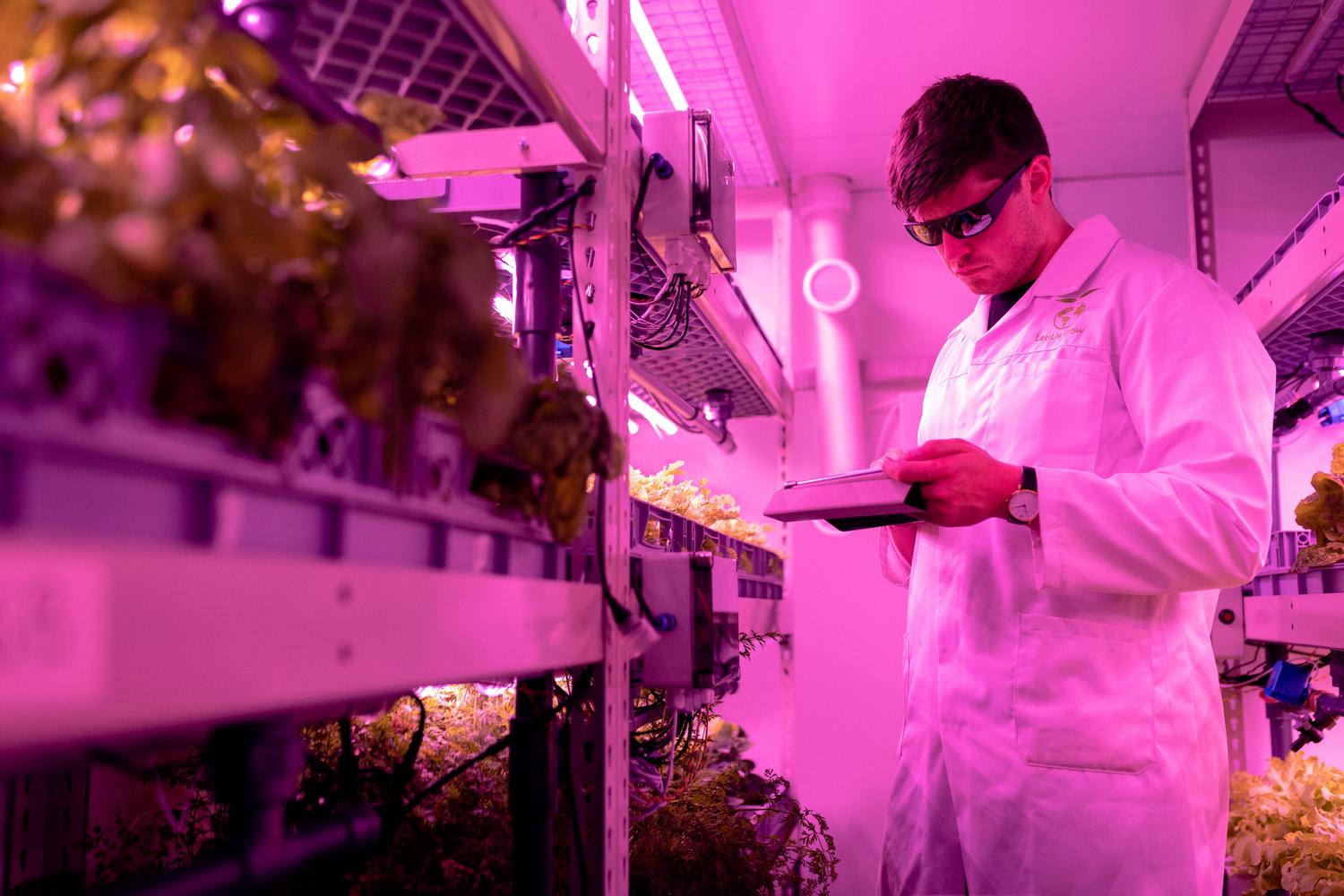
In sectors like livestock farming, the future lies in facilities designed for tomorrow. Automation and digitalization of farms aim not only to increase profits but also to improve the quality of life for both the animals and their caretakers. Investment in technology translates into tangible returns in the medium term, reducing physical labor and significantly increasing production efficiency.
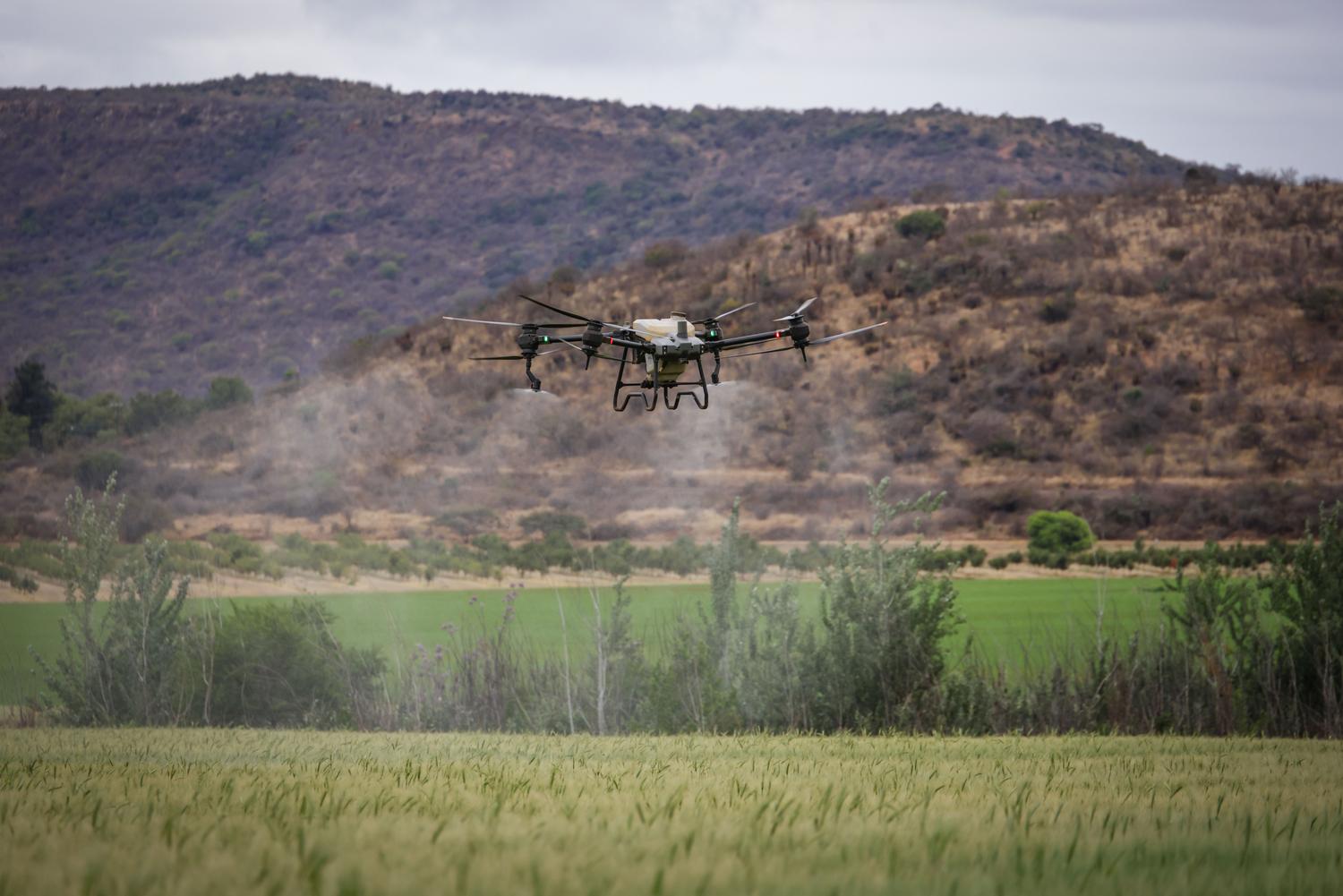
A clear example is the integration of equipment that adapts to the environment, optimizing working times without losing the artisanal identity of the product. The use of drones for crop monitoring or mechanized systems for transporting harvests demonstrates that modernization does not reject tradition, but rather enhances it to make it economically viable.
Institutional and financial support in the transition
For this change to be possible, flexible financial support is essential . Farms and livestock operations have very specific income patterns, so they need grace periods and repayment systems adapted to their production cycles. Furthermore, access to European aid and specific funds is crucial for young entrepreneurs to have the necessary liquidity to innovate.
Initiatives like iHubs and regional succession plans act as meeting points. These programs, which include everything from demographic studies to identify businesses at risk of closure to online matchmaking platforms between business owners and entrepreneurs, are vital to preventing the disappearance of shops and services in rural areas. The creation of entrepreneurship fairs and professional training focused on business transfers ensure that the knowledge accumulated over decades is not lost, but rather enhanced with new ideas.
The convergence of young talent, ecological awareness, and the adoption of tools like artificial intelligence is creating a virtuous cycle. Organizations that successfully integrate these three pillars will not only survive market changes but will also become benchmarks of resilience and modernity, transforming the concept of rural work into a desirable, profitable, and deeply connected way of life.