- A chronological and technical review of the development of The Sims, from the original idea to the latest expansions and legacy reissues.
- Analysis of how mechanics, expansions, and special creatures are designed in each generation of the saga.
- A global view of the Sims ecosystem: base games, packs, spin-offs, mobile versions, community, and future plans.
Talking about the development of The Sims games It tells how a strange idea for its time – a kind of digital “dollhouse” – ended up becoming one of the franchises of life simulation most influential in history. Behind each installment are design decisions, proprietary graphics engines, studio changes, and an endless stream of expansions, packs, and versions for almost every platform you can imagine.
In this tour we're going to weave together everything you know (and maybe don't know) about The SimsThe creative spark of Will Wright after losing his home, the technical evolution from isometric views to open worlds, the role of Maxis and The Sims Studio, the leap to mobile, spin-offs like MySims and The Sims Medieval, the arrival of 'Legacy Collection' editions, and Project Rene. All brought together and rewritten in clear, approachable language, with a strong focus on the development and structure of the saga.
How the idea for The Sims was born and its first development
The origin of The Sims dates back to the early 90sWhen Will Wright, co-founder of Maxis, loses his home in the great Oakland fire of 1991, the process of rebuilding his life and home leads him to an idea that was very atypical for the industry at the time: a simulator focused not on cities (like SimCity), but on people, their homes, their routines, and their relationships.
For years, the project was known internally as a "virtual dollhouse". It was even dubbed "the toilet game," because one of the prototype's technical achievements was having fully functional toilets with different animations for men and women. The Maxis board wasn't convinced, but the previous success of SimCity paved the way for Electronic Arts, which eventually bought Maxis in 1997, to invest in this unusual social simulation experiment.
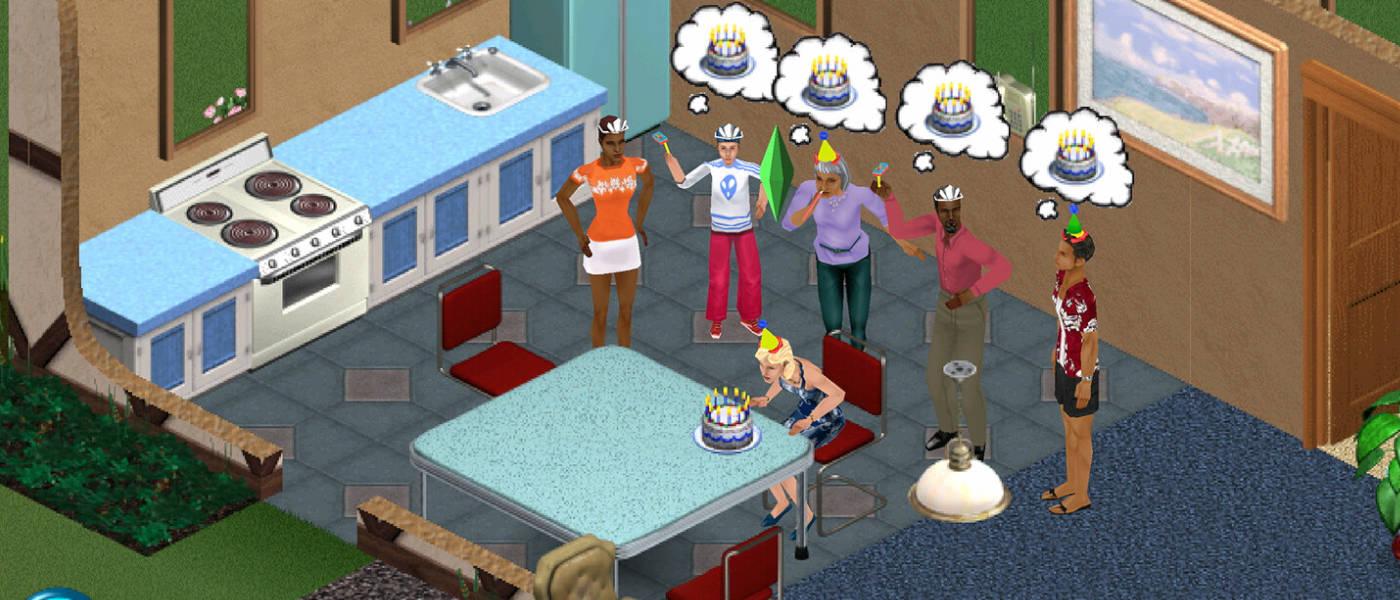
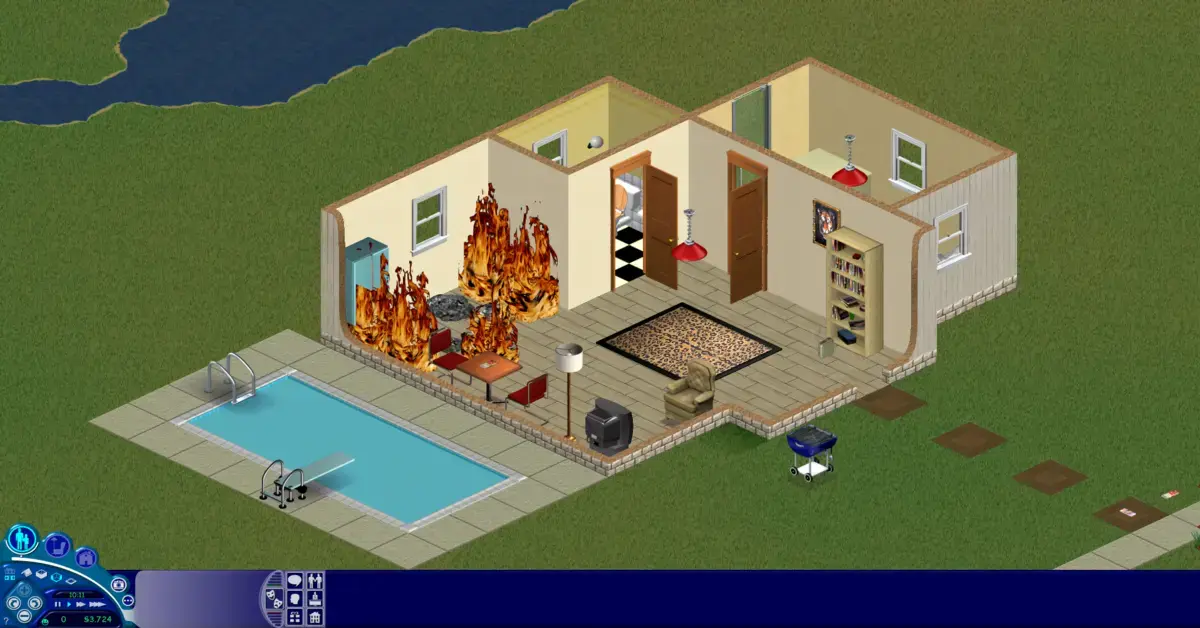
The Sims was finally released on February 4, 2000 for WindowsWith its own pseudo-3D isometric view engine and a strong emphasis on simulating the needs and personality of each Sim, it was a game without formal objectives: you created your Sims, furnished them with a house, and tried to manage their desires, aspirations, and daily lives. The internal economy was based on "Simoleons" (§), which they earned by working, selling paintings, writing books, and so on.
The system of needs was the backbone of the design.Hunger, comfort, bladder, hygiene, energy, fun, social interaction, and environment were represented by colored bars that rose and fell depending on actions and context. If you neglected your Sims, they would become depressed, ignore commands, or simply die. A skill system (cooking, mechanics, charisma, physical, logic, creativity) was also built upon this core, determining both job performance and everyday events (such as not setting the kitchen on fire, repairing objects, telling better jokes, etc.).
From a business perspective, the first game defined the expansion formula that would characterize the franchise.Between 2000 and 2003, seven major expansion packs were released: More Alive Than Ever, House Party, First Date, Vacation, Unleashed, Superstar, and Magic: The Gathering, each adding objects, neighborhoods, professions, vacations, pets, fame, or magic. Later came compilations like Deluxe Edition, Megaluxe, Gigaluxe, and The Complete Family, which bundled the base game and expansions.
The Sims 2: Leap to 3D, Genetics and Generation Structure
The development of The Sims 2 involved practically remaking everything from scratch.Released in September 2004 for PC, it was initially developed by Maxis and, over time, taken over by The Sims Division to focus on later content while Maxis concentrated on Spore. The graphics engine was upgraded to fully 3D, allowing for freer camera movement, more expressive models, and a much more in-depth Sims editor.
The major design innovation was the introduction of the complete life cycleThe Sims were no longer immortal. There were life stages (baby, child, teen, adult, elder), aging, death, and, above all, genetic inheritance. Physical appearance and personality traits were passed on to descendants, enabling the famous multi-generational "legacy" gameplay. The neighborhood was set 25 years after the original, and families like the Goth, Gentle, and Newbie families returned with advanced storylines, mysterious disappearances, and complex family trees.
In terms of internal mechanics, The Sims 2 added the system of aspirations, desires, and fears.Each adult or teen Sim chose a primary aspiration (family, romance, fortune, popularity, knowledge), which influenced which desires and fears appeared on their panel. Fulfilling desires raised an aspiration meter, while experiencing fears lowered it; reaching extremes could trigger nervous breakdowns or states of euphoria. Infants and children had growth aspirations.
The content was expanded with eight large expansions and nine stuff packsIn addition to two compilations and the digital Ultimate Collection. University added the young adult stage and campus life; Nightlife brought nightlife and vampires; Open for Business introduced the business system and robots; Pets added dogs, cats, and werewolves; Seasons incorporated weather and Plant Sims; Bon Voyage brought back vacations and the Yeti; Hobbies expanded leisure activities and genies; Apartment Life brought apartment living and witches/wizards.
Accessory packs became another pillar of the development modelFrom Decorate your family, All Glamour, Christmas or Party Time!, to collaborations with brands like H&M or IKEA, including Kitchen and Bathroom, Mansions and Gardens, Urban Youth… All these packs were produced with shorter cycles and reusing internal tools, providing mainly objects, clothing and specific decorative styles.
The Sims 3: Open World, More Powerful Engine, and Massive Expansion
With The Sims 3, announced in 2006 and released in 2009, the team made another major technical leap.Although it's often mentioned that it's based on technology similar to CryEngine 2, it actually used a proprietary engine with a similar philosophy: large, continuous environments, more modern lighting, and a completely open neighborhood without loading screens between lots. The game's timeline is set approximately 25 years before the first game.
The design focused on spatial continuity and obsessive personalization.The open world allowed your Sims to roam freely, encounter other AI-controlled citizens, and experience emergent social events. Actions were recorded in an internal memory that influenced future interactions (for example, apologizing for breaking a social norm). The "Create a Style" tool allowed you to recolor almost any object or garment with custom patterns, something that delighted players. creative community.
In commercial terms, The Sims 3 followed the expansion model but on a larger scaleEleven expansion packs were released (World Adventures, Ambitions, Late Night, Generations, Pets, Showtime, Supernatural, Seasons, University Life, Island Paradise, and Into the Future) and ten stuff packs (Tech & Design, Fast & Furious, Outdoor Living, City Living, Dream Suite, Katy Perry Sweet Treats, Diesel, 70s 80s 90s, Movie Stuff, etc.). In addition, The Sims 3 Store was launched, offering premium content purchased with SimPoints.
Each expansion added fairly deep gameplay systemsGlobetrotters introduced journeys to simplified versions of Egypt, France, and China with tombs and adventures; Ambitions brought playable careers like firefighter, ghost hunter, or stylist; Late Night added celebrities, bars, and vampires; Family Meals reinforced the life cycle with age-appropriate activities; Pets added horses and unicorns; Show Business focused on entertainment professions; Supernatural creatures integrated fairies, witches, werewolves, and zombies; Seasons introduced dynamic weather and aliens; College Life brought back university and symplants; Island Adventure brought islands, resorts, diving, and mermaids; Into the Future added time travel, Oasis Landing, and configurable plumbots.
In terms of creatures, The Sims 3 was the perfect laboratory for the teamBetween the base game, expansions, and console editions, a host of creatures appeared: Simbots, unicorns, mummies, fairies, sparkly vampires (a direct reference to Twilight), zombies, mermaids, Simplants, Plumbots, imaginary friends, enhanced werewolves, witches flying on broomsticks, and much more. Each type of creature came with its own rules regarding needs, special powers (mind control, teleportation, plant resurrection, etc.), and design limitations.
The Sims 4: Emotions, Multitasking, and the DLC Ecosystem
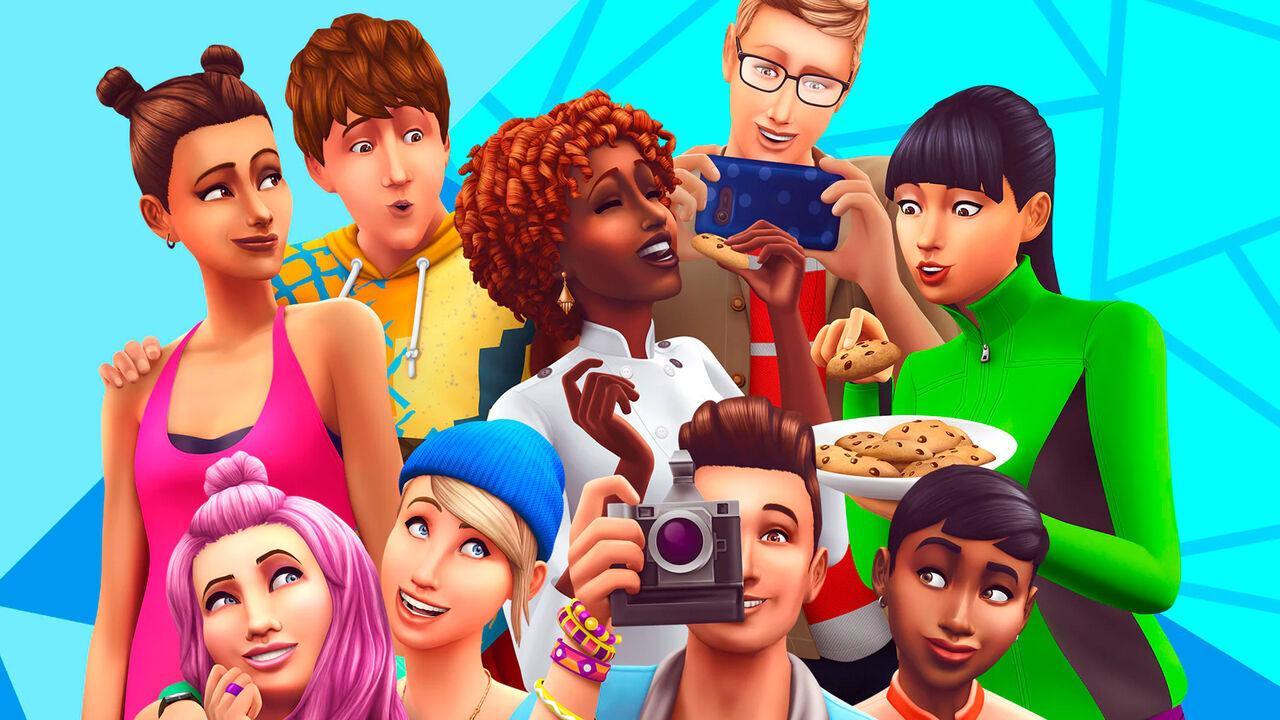
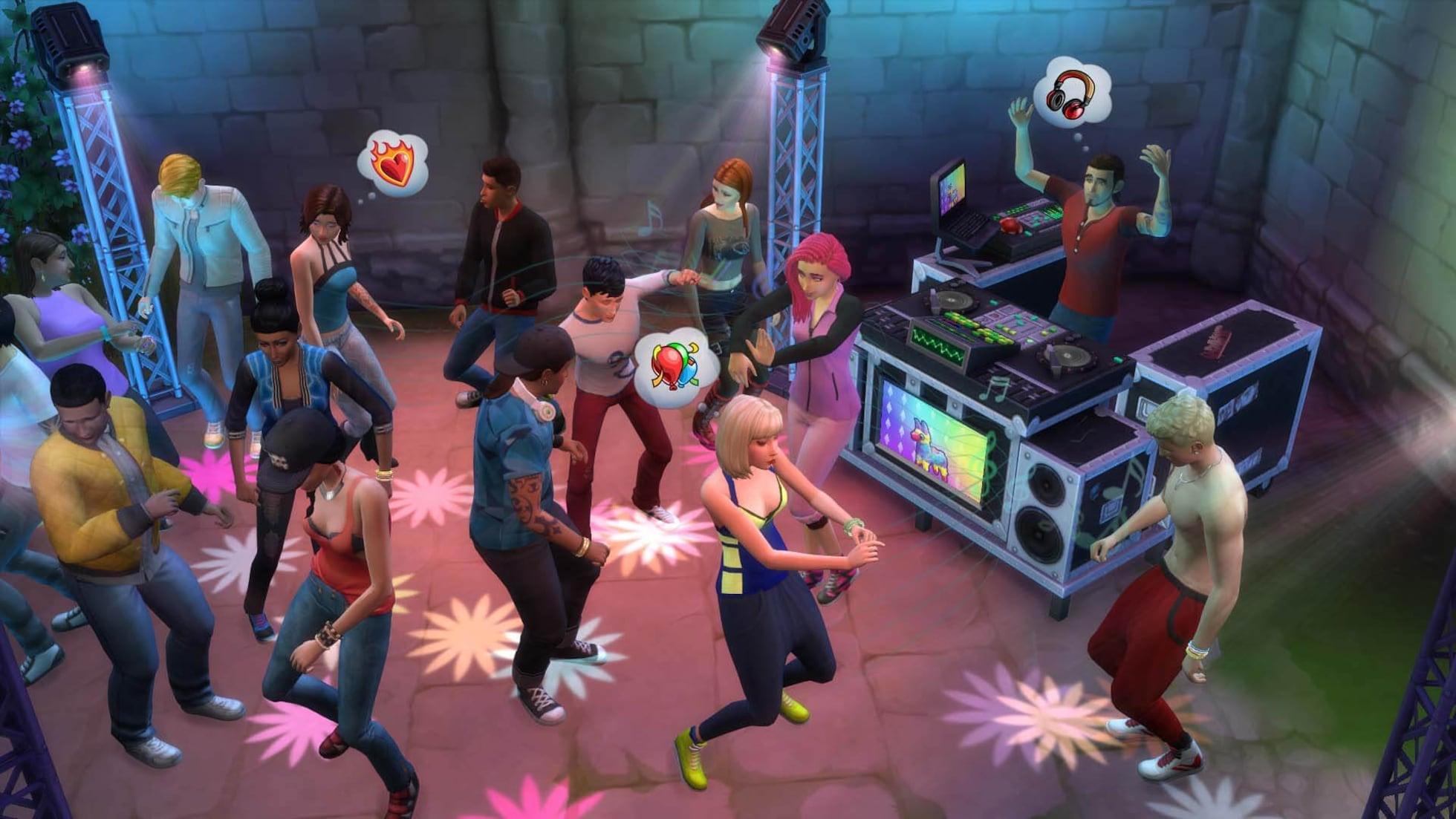
The Sims 4, announced in 2013 and released in 2014 for PC, represented another reorientation of developmentThe engine was redesigned to prioritize performance and expressive animations, with the intention from the outset that the game would be expandable for many years. It would later be released on Mac, PS4, Xbox One, and, with backward compatibility, on current-generation consoles.
The team opted for three main design pillars.A Create-a-Sim based on direct manipulation (dragging body parts and faces with the mouse to model), a smarter Build mode (modular rooms, moving entire rooms, half-walls of different heights, curved fences), and Sims governed by a powerful emotion and multitasking system. Now they could, for example, chat while cooking or watching TV, and their emotional state (happy, furious, inspired…) affected interactions and skill effectiveness.
At launch, the base game was cut down in several areas. (No pools, no playable toddlers, less content than The Sims 3), something that was gradually corrected through frequent free updates. At the same time, EA built a massive DLC ecosystem around The Sims 4, divided into three main categories: expansions, game packs, and stuff packs, to which smaller "kits" would later be added.
The expansions have covered almost all the classic themes. of the saga and adding new worlds: Shall we meet? (social clubs and Windenburg), Get to Work! (active careers and businesses), City Living (flat living and San Myshuno), Cats & Dogs (pets and vet in Brindleton Bay), Seasons (customizable weather and holidays), Get Famous, Island Living (Sulani and upgraded mermaids), College Days, Eco Living, Snow Break, Village Life, Horse Ranches, For Rent (rental management and residential buildings) or Love Is On!, focused on dating, a Tinder-like app and new romantic dynamics.
Content packs have served to introduce medium-level gameplay systems without reaching the size of an expansion: Camping Trip (Granite Falls), Spa Day (yoga and wellness), Gourmet Getaway (restaurant management), Vampires (with a very deep power tree), Parenting (education and character traits), Jungle Adventure (Selvadorada and archaeology), StrangerVille (linear mystery in a new world), and Realm of Magic (sorcerers and mystic realm), Star Wars: Journey to Batuu, Interior Design (interior designer career), as well as other more recent ones focused on werewolves or other themes.
Accessories and kits complete the monetization strategy with themed microcontent.Party dresses, patio furniture, kitchens, romantic decor, children's rooms, laundry, tiny houses, fitness equipment, fashion packs with real brands like Moschino, maximalist decor, urban fashion, etc. In terms of development, these products leverage established art and design pipelines, with fast cycles and a strong aesthetic focus.
Ecosystem of creatures and special life states
One of the most striking aspects of the development of The Sims is the enormous variety of playable creatures and alternative life states.Its technical and design implementation has changed between generations, but the accumulated catalog is impressive: vampires, werewolves, fairies, genies, mermaids, aliens, zombies, symplants, ghosts, skeletons, unicorns, dragons, imaginary friends, mummies, plumbots, servos and more.
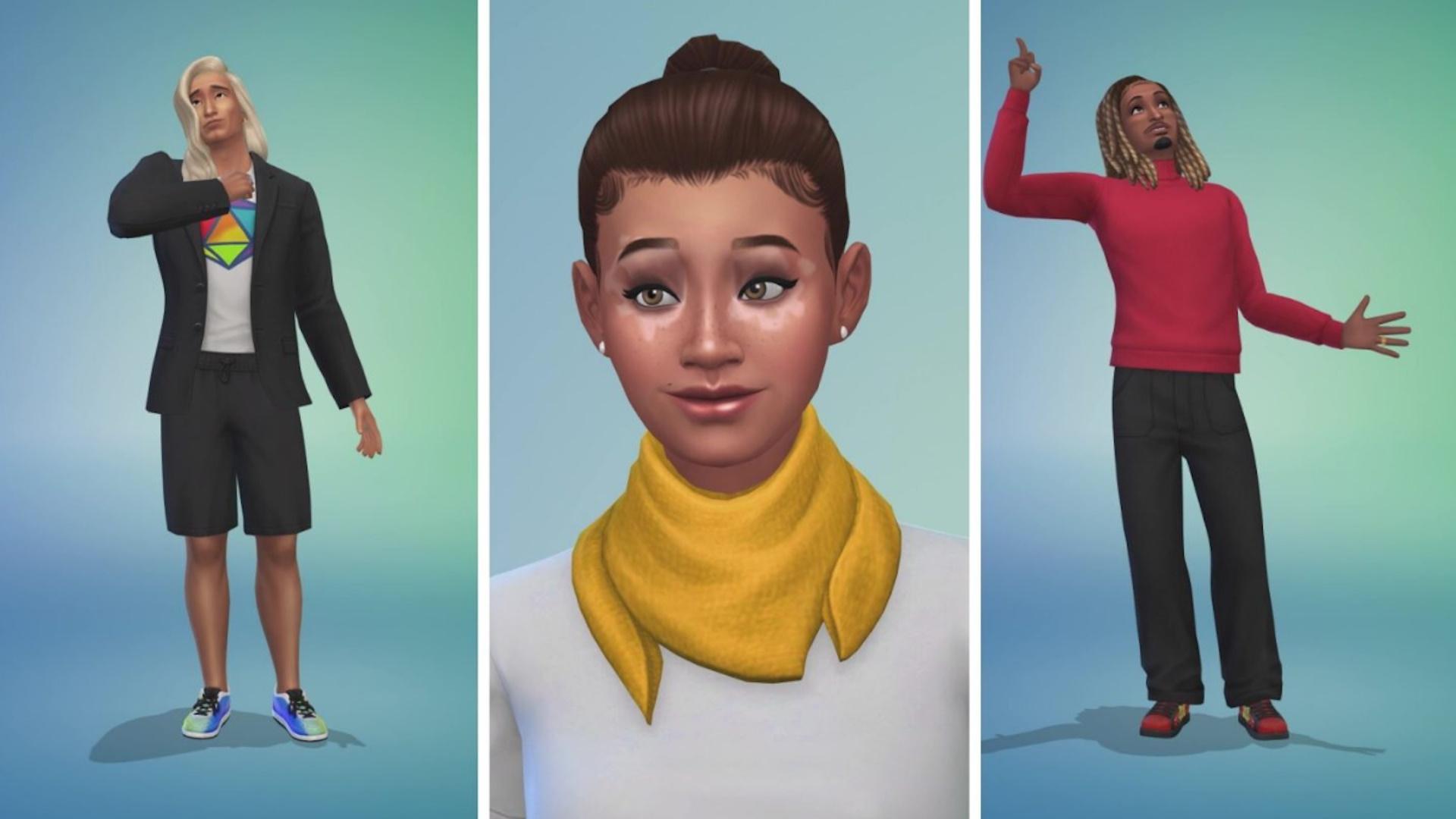
The "normal" Sims represent the reference humansSince The Sims 2, physical and genetic customization has been explored in depth, and in The Sims 4 it was expanded with fine gender controls, the ability to get pregnant in any combination, custom pronouns and clothing style preferences, reflecting a clear commitment to inclusion.
Symplants/simplants are a classic example of a creature based on alternative needsIn The Sims 2 and 3, Sims were created using science skills and specific objects, and their needs revolved around love, water, and sunlight. In The Sims 4, they are introduced through a magic tree and the "Forbidden Fruit." Their design has always aimed to strengthen the connection with gardening and nature.
Vampires have been revisited several times to become more complex in terms of their systems.In The Sims 2 they appeared as part of the nightlife; in The Sims 3 they mingled with celebrity; in The Sims 4 they gained a skill tree, ranks (from novice to master), weaknesses, the ability to train other vampires, and specific mechanics in the Forgotten Hollow neighborhood, with houses predisposed to being attacked by vampires and garlic as a countermeasure.
Werewolves, fairies, witches, and sorcerers have represented another line of supernatural design.In The Sims 2 and 3, werewolves alternated between human and beast forms with changes in hunger, strength, and destructive behavior; fairies dominated interactions with plants and moods; witches and wizards were divided into good, evil, and neutral alignments, with repertoires of spells, flying brooms, potions, and even spectral cats linked to their morality.
The catalog is completed with more experimental statesImaginary friends that grow with children; plumbots and servos designed to serve and function as advanced robotic Sims; mummies linked to tombs and curses; ghosts with colors indicating cause of death and associated abilities; unicorns and dragons with powers of blessing/curse, weather control, or farming support; and skeletons like Bonehilda, a tireless maid available in several installments.
Spin-offs, alternative lines and console versions
Alongside the main storyline, the development of The Sims has branched out into multiple spin-offs.designed for different audiences and platforms. Many share an engine or design ideas, but with different gameplay objectives or more linear structures than the classic sandbox.
The Sims Online was the first serious attempt to bring the formula to massive multiplayer.Released in 2002 as an MMORPG, it allowed different players to meet in shared neighborhoods. The problem: limited customization compared to the PC version, little real cooperation, and a drift towards a "chat room with avatars." To try and save it, EA-Land was created in 2008, with a free model and constant updates, but EA decided to shut down the service that same year.
The Sims Stories line was conceived as a lightweight entry point for laptopsBased on an optimized version of The Sims 2 engine, it offered guided stories with clear objectives in addition to a free play mode. Life Stories, Pet Stories, and Castaway Stories prioritized narrative over complete freedom, cutting back on systems like fears and the elder stage to simplify the experience on less powerful hardware.
MySims was another experiment, this time aimed at a children's audience and Nintendo consoles.With a chibi aesthetic similar to the Mii and gameplay focused on building and simple tasks, it was first released on Wii and DS and later on PC, spawning six titles (MySims, MySims Kingdom, Racing, Party, Agents, and Sky Heroes). Here, development opted for a much more lighthearted tone and very simple modular mechanics.
The Sims Medieval moved the Sims 3 engine to a completely different contextMedieval fantasy kingdoms, Sim heroes with specific professions, structured quests, and the management of a kingdom instead of a modern neighborhood. Gameplay revolved around story objectives (forging a legendary sword, organizing a royal wedding, defeating an evil sorcerer, etc.), with daily responsibilities for each hero. It had its own expansion, Pirates & Knights.
On home consoles and handhelds, the saga has had its own branches and peculiarities.From The Sims and The Sims: Bustin' Out on PS2, Xbox and GameCube, through The Urbz: Sims in the City (very focused on urban reputation and with participation from Black Eyed Peas), to the specific adaptations of The Sims 2, Pets, Castaways or Neighbors and Pets on PSP, DS, GBA and N-Gage.
The Sims 3 on consoles incorporated exclusive mechanics such as karmic powersThese features allowed players to dramatically affect the Sims' lives (for better or for worse) with supernatural abilities. Additionally, in some console versions of Pets, dogs and cats could have jobs or be directly controlled by the player, something that wasn't possible on PC. Technical limitations forced smaller maps and loading screens, but the team compensated with these design twists.
The Sims 4 on consoles (PS4, Xbox One and later) is the first time the experience has been ported almost 1:1 from PCThis includes expansions, packs, and updates—this time as DLC—but without official mod support. The main development task here has been adapting an interface designed for mouse and keyboard to a controller, with fairly elaborate selection systems and radial menus.
Mobile versions, free-to-play model and transmedia presence
Mobile development has been another key pillar of Electronic Arts' strategyWith the popularization of smartphones, the franchise adapted to different generations of hardware and business models, from one-off paid games to free-to-play titles with in-app purchases.
Early mobile attempts included The Sims 2 Mobile, The Sims Pets Mobile, The Sims DJ, and The Sims 3as well as adaptations of expansions like World Adventures or Ambitions for basic phones and iPhones. These were heavily scaled-down versions of the original concept, with smaller maps and simplified controls.
The Sims FreePlay, released in 2011, marked the big leap to free-to-play on iOS and AndroidDeveloped by Firemonkeys, it replicates many ideas from the main series but synchronizes player time with action time: sleeping, working, or cooking can last for hours, and almost all progress can be accelerated using premium currency. The game has been constantly updated with events, references to The Sims 3 and 4 expansions, and numerous cosmetic items.
The Sims Mobile, released globally in 2018, is visually based on The Sims 4 It focuses more on life stories, relationships, and social events, with a strong online component (visits to other players' homes, parties, etc.). While it maintains the waiting time model, its cycles are shorter than in FreePlay and it features themed seasons and chained missions.
The franchise's presence has also extended to other mediaA film based on The Sims was announced at the time (with scripts that played with the idea of characters discovering they are controlled by a superior force), animated series projects inspired by MySims and, more recently, a film in development produced by LuckyChap (Margot Robbie's production company) along with Amazon MGM Studios.
Sims culture has been reinforced with iconic elements such as Simlish and the green plumb line.The simulated language, created by Stephen Kearin and Gerri Lawlor, blends sounds inspired by Italian, French, Czech, and Japanese, and has been used by artists such as Lily Allen, La Oreja de Van Gogh, Depeche Mode, Katy Perry, Nelly Furtado, Carly Rae Jepsen, and many more to re-record their songs in Sims idioms. The plumbob has become the logo and global symbol of the franchise, visible in games, trailers, merchandise, and events.
Reissues, legacy, and the future of The Sims development
The enormous commercial impact of the franchise has been reflected in data and awards.The first installment alone sold around 16 million copies, far exceeding EA's initial projections. In total, the series reached 100 million games sold in 2008 and surpassed 200 million in 2016, becoming the best-selling PC franchise of all time. It has appeared in the Guinness World Records with several records and received the first BAFTA Fellowship awarded to a video game creator (Will Wright).
To celebrate their history, EA and Maxis have released "Legacy Collection" editionsThe Sims Legacy Collection and The Sims 2 Legacy Collection are digital re-releases that include the base game and all its expansions and add-ons, adapted for Windows 10 and 11, but preserving the original graphics and gameplay. They are essentially modernized versions in terms of technical aspects (compatibility and support) without a visual "remake," designed for those who want to relive the classic experience on current-generation computers.
In the current generation, The Sims 4 remains alive thanks to a constant flow of content.In addition to the previously released packs, recent expansions have been added, such as "Long Live Love!", focused on romantic relationships and new dating mechanics, and announced projects like "Enchanted Nature" (a magical world integrated into nature with fairies) and "Leisure and Business" (more depth for hobbies and entrepreneurship). New careers, worlds, creatures, and game systems continue to arrive years after the original release.
Meanwhile, Maxis is working on the next major phase of the franchise under the codename Project Rene.Officially presented as the next generation of The Sims, public information points to a free-to-play approach, a strong emphasis on collaborative customization (e.g., real-time multiplayer decorating), and availability on multiple platforms, including mobile. The project is designed to coexist with The Sims 4, not to replace it entirely.
Whatever exact form the future of The Sims development takesThe path traveled so far clearly reveals a pattern: constantly evolving technical engines, increasingly sophisticated simulation systems, a creative community that both fuels and challenges the team, and a business model based on modular content that extends the lifespan of each installment for decades. From that "toilet game" that no one understood to a transmedia franchise with millions of fans, the development of The Sims is, in itself, a lesson in how to evolve a saga over decades without losing its essence as a virtual toy box where each player tells the story they want.