- Studies from UCLA show that 20 minutes on a motorcycle reduces hormonal stress by 28%.
- Driving activates a state of sustained attention that reduces anxiety and improves concentration.
- 88% of motorcyclists say that riding significantly improves their mental health and emotional well-being.
- It provides physical benefits through muscle exercise and combats loneliness thanks to the sense of community.
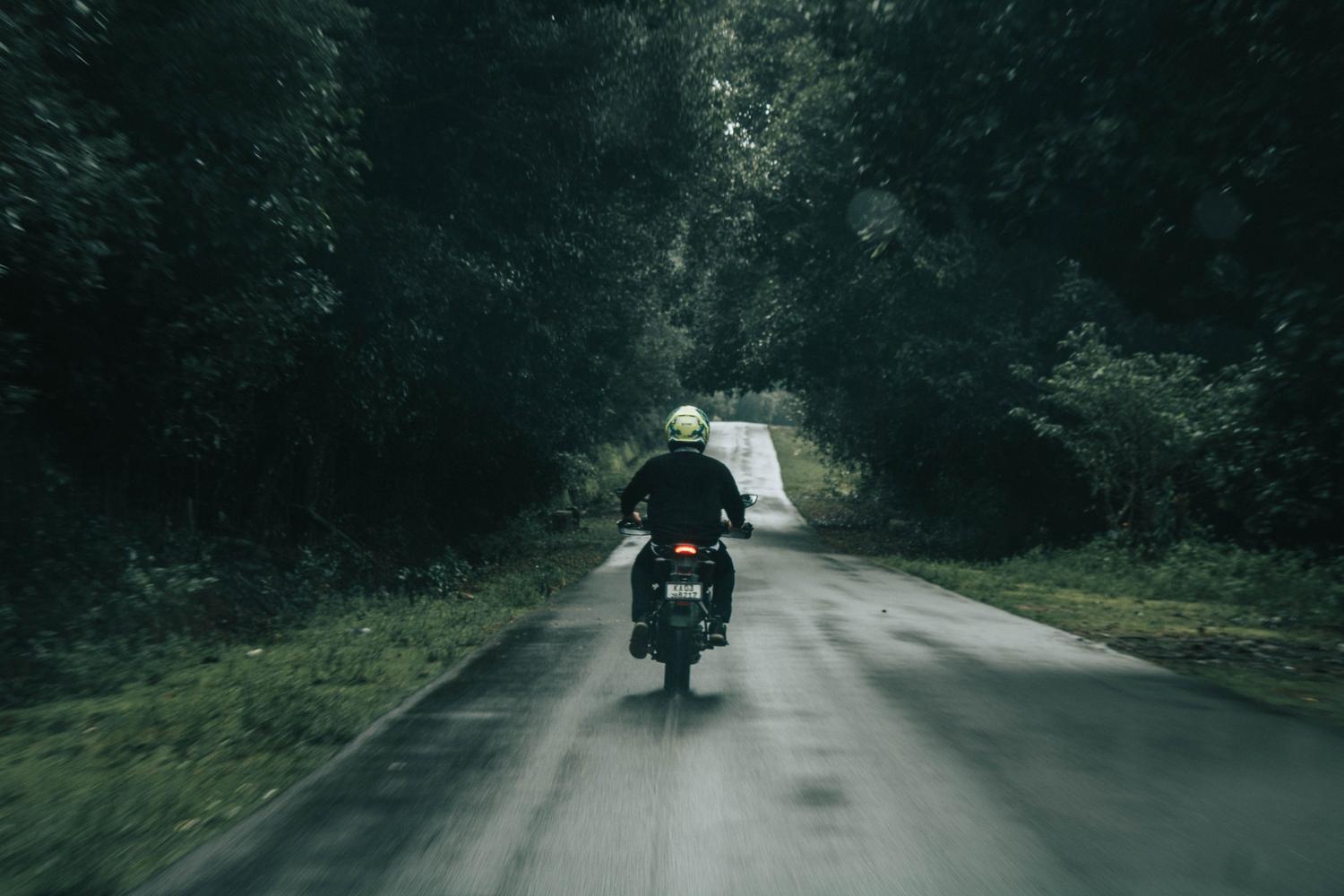
You've probably heard a motorcyclist say that going for a ride is their best therapy, or that the handlebars are the only place where they can truly quiet their mind. Often, those unfamiliar with this world think they're crazy, but what for some is a passion, for others is a genuine psychological support that allows them to reset their minds after an exhausting day.
What began as a shared intuition on rides and at rallies has ceased to be a mere popular belief. Recently, various studies and statistical data have shown that riding a motorcycle is not just a way to get from point A to point B, but a tool capable of tangibly improving mental health and combating stress.
Science confirms the "two-wheeled therapy"

One of the strongest pillars of this claim comes from the UCLA Institute for Neuroscience and Human Behavior. A study funded by Harley-Davidson and published in the journal 'Brain Research' analyzed experienced motorcyclists to measure their biological reactions. The results are astonishing: a ride of just 20 minutes can reduce stress-related hormonal biomarkers by 28% .
Unlike riding a car, where the passenger compartment isolates us and allows our minds to wander, riding a motorcycle forces us to be present. The brain activates a pattern of calm and sustained attention , eliminating external distractions. It's a state similar to that achieved with a cup of coffee or through active meditation, where concentration is heightened and the body enters a state of moderate activation.
- Reduction of cortisol: The stress hormone drops drastically during driving.
- Increased adrenaline: Levels rise by 27%, similar to performing light physical activity.
- heart rate: An 11% increase is recorded, indicating a healthy state of alert.
The most curious thing is that this effect doesn't disappear when you put the kickstand down. It has been shown that the improved concentration persists for at least ten minutes after getting off the motorcycle, leaving a highly valued feeling of cognitive clarity.
Psychological impact and emotional well-being
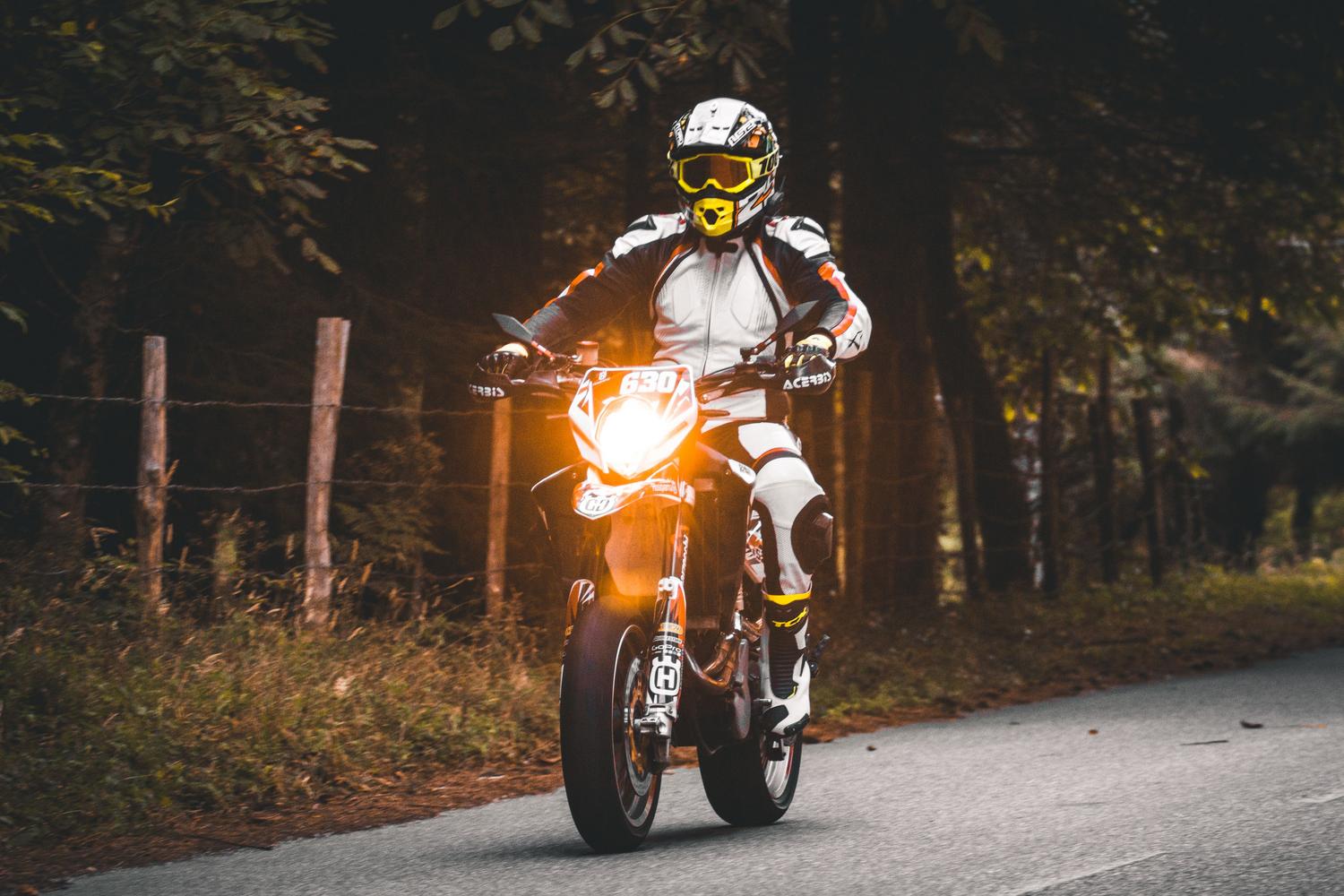
We're not just talking about laboratory studies; the statistical reality is compelling. A large-scale survey by the British insurer Carole Nash revealed that 88% of users report a significant improvement in their mental well-being while piloting. For many, it's a mental reset where the sound of the engine and the connection with the surroundings act as a filter, suppressing intrusive thoughts about work or personal problems.
Furthermore, studies in Spain, such as the one conducted by the insurance company AMV and the University of Murcia, have compared regular motorcyclists with non-motorcyclists. The results showed that those who ride motorcycles tend to have lower levels of anxiety and a greater ability to solve everyday problems quickly and effectively.

While we often focus on the head, the body also benefits. Maintaining balance, tracing curves using your torso weight, and controlling the machine requires physical effort that exercises your abs, arms, and shoulders. It's essentially an ideal complement to the gym that also burns more calories than sitting in a car seat.
Another key point is the social factor. Biker culture creates a very strong sense of belonging. Being part of a "tribe," organizing group rides, and sharing experiences helps combat loneliness and strengthens emotional resilience. For many, the community is as therapeutic as the wind in their face.
Safety as an essential requirement
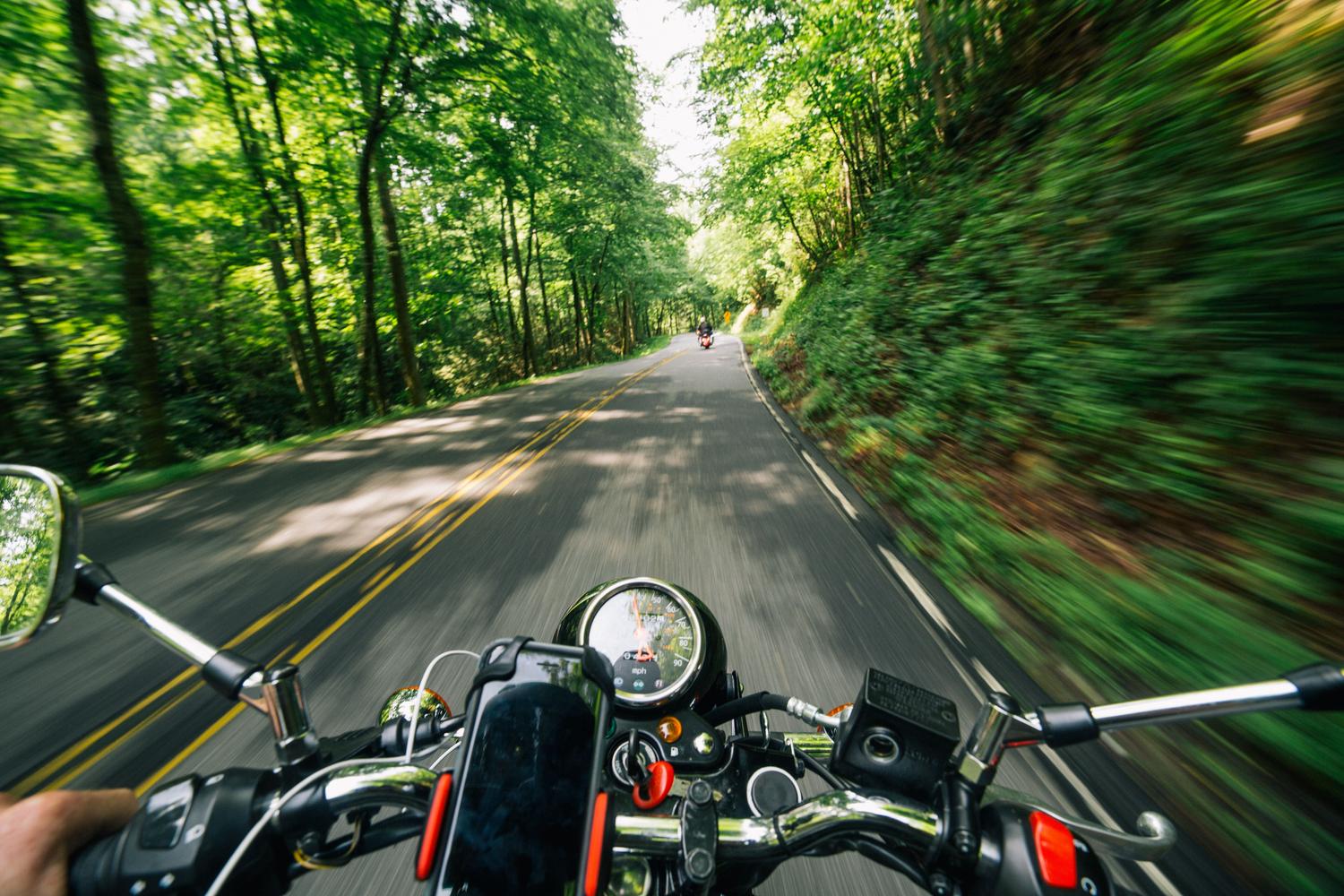
For all these advantages to materialize, responsible riding is essential. Relaxation is impossible with reckless driving. Wearing a certified helmet and protective gear , along with proper training and defensive riding techniques, are the only ways to guarantee a truly beneficial experience. Only when we feel safe and respect the rules does the motorcycle become the shield against anxiety we seek.
Owning a motorcycle means possessing a versatile tool that not only optimizes urban travel time but also acts as an emotional balm, balancing the mind and strengthening the body. This combination of sensory stimulation, cognitive challenge, and social connection transforms every kilometer into an investment in overall well-being, allowing the rider to return to their routine with a much more positive and relaxed attitude.
