- Implementation of a compartmentalization strategy by dividing data into security zones according to their criticality.
- Mitigation of vulnerabilities at the hardware and operating system level to prevent backdoors and espionage.
- Adoption of navigation and communication tools that prioritize anonymity over prefabricated commercial solutions.
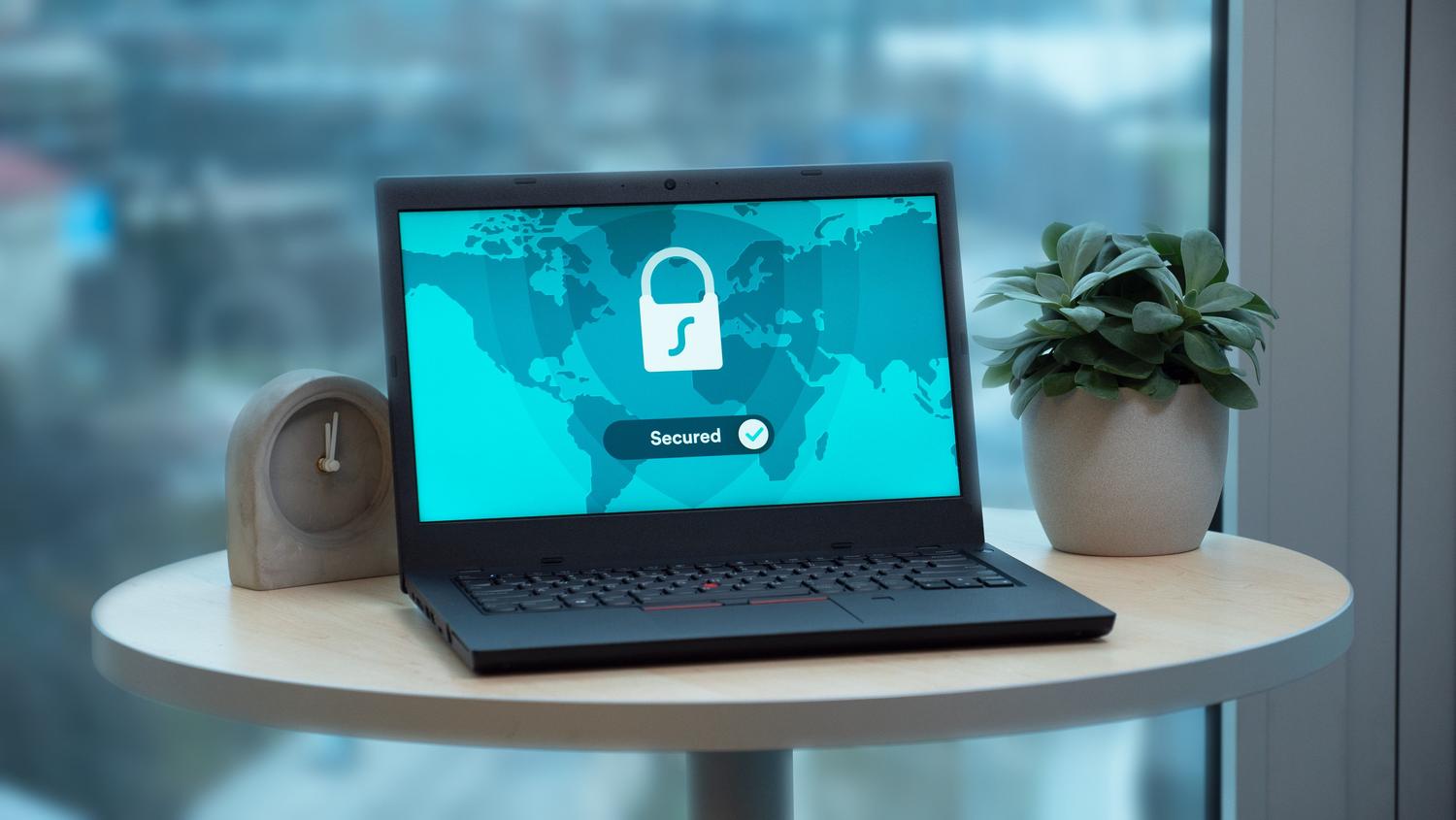
Browsing the internet these days is a bit like walking through a city full of cameras and people who want to know everything, down to the brand of socks you're wearing. Most of us navigate the internet with a false sense of security , trusting that an "accept cookies" button or a cheap VPN will protect us from everything, when in reality, the trail we leave behind is monumental.
To avoid being exposed, you need to shift from a passive to a proactive approach. It's not just about installing antivirus software and forgetting about it, but about understanding that privacy is a gradient of security . Depending on how much you want to hide and who you think might try to spy on you, you'll have to implement more or less drastic measures to ensure your digital life isn't an open book.
The concept of Ground Zero: The digital bunker

If you have absolutely critical data, you can't allow it to be stored in the same place as your YouTube history. This is where the Ground Zero Philosophy comes in , which involves isolating top-secret information in a completely secure environment. The idea is to assume that any popular system has already been compromised, so we must build our security from the ground up.
- Audited hardware: For maximum security, it is recommended to remove microphones, cameras, and integrated Bluetooth or Wi-Fi cards that could serve as a bridge for attacks.
- Goodbye to back doors: It is vital to try to disable features such as the Intel Management Engine or the AMD Platform Security Processor, which operate in a negative ring space, above the operating system, and are invisible to the average user.
- Robust Operating Systems: While Windows or MacOS may have suspicious telemetry processes, options such as Qubes OS They allow the creation of isolated virtual machines, ensuring that if one becomes infected, the rest of the system remains intact.
When working in this area, the golden rule is that sensitive files never touch the internet . Disposable virtual machines are used for everyday tasks, and network access is only granted through encrypted, constantly changing tunnels to prevent the creation of a persistent digital footprint.
Zone One: Everyday Life and Its Risks
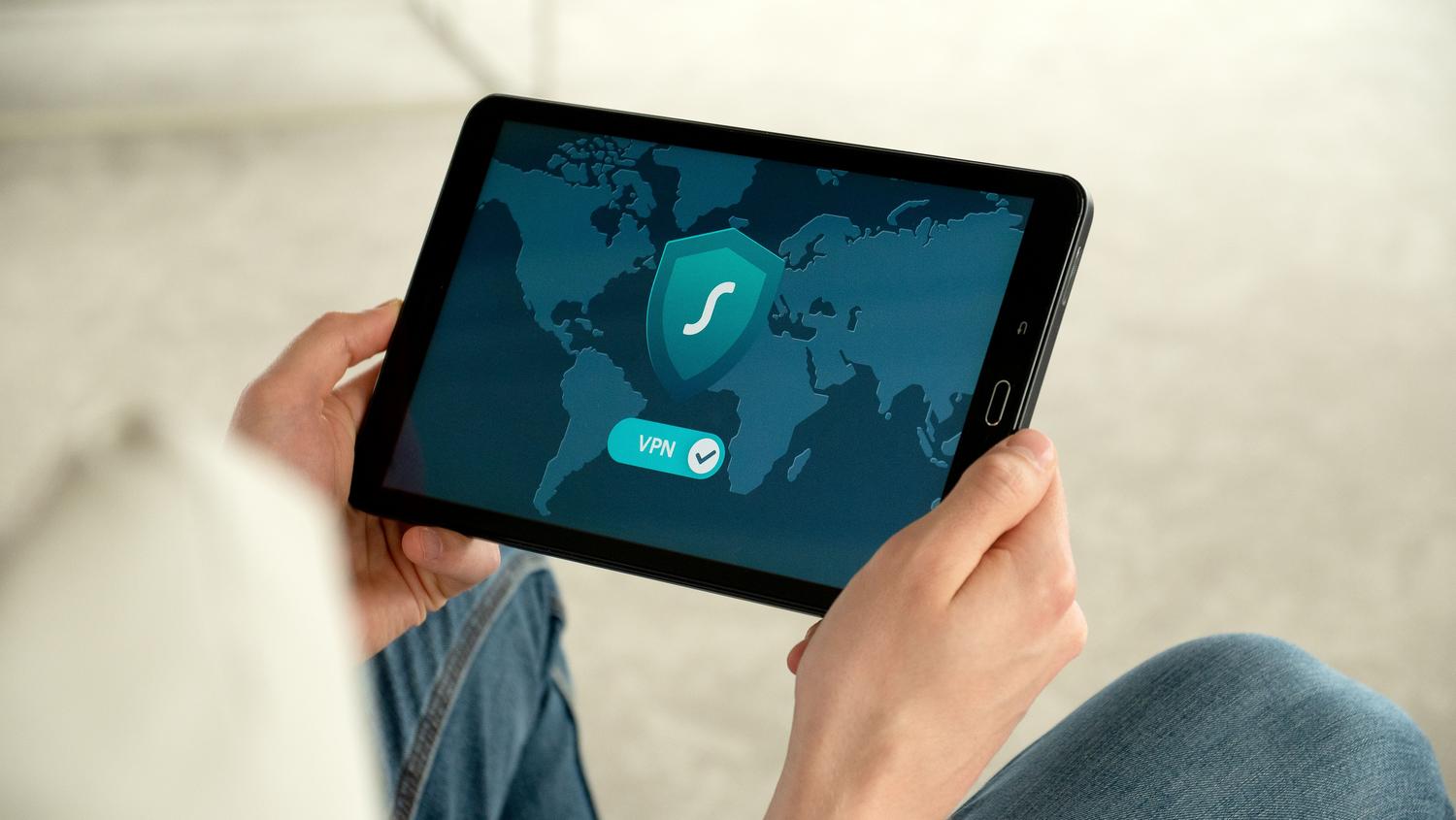
Not everyone needs to live in a bunker. Zone One is where we put everything that's "normal": our phone, tablet, smartwatch, and social media accounts. Here, we accept that there's an inevitable loss of privacy , but the goal is for nothing in this environment to be linked to our Zone Zero.
The mobile phone is probably the weakest link. With its GPS, camera, and microphone managed by closed operating systems, it's essentially a pocket tracker . The best strategy here is compartmentalization: use the device for mundane tasks and prevent our real identities from being mixed up with services that collect massive amounts of data.

Many people believe that using incognito mode is enough, but that's a joke. To achieve true anonymity, you have to look further. Tor is a powerful tool, but it's not magic; exit nodes can be monitored, so disabling JavaScript and not logging into personal accounts is essential to maintain anonymity.
When it comes to browsers, the key is to blend in. If you use an obscure browser on an uncommon operating system, you become unique and easy to track . Ideally, you should mimic the crowd, spoofing HTTP headers to appear like an ordinary user while using strict blocking extensions and avoiding rendering engines that monitor every click.
Regarding email, the smartest thing to do is to use disposable accounts for trivial registrations and leave long-term accounts only for what is strictly necessary, always making sure that there are no direct links with our most private identity.
Practical tips for the average user

For those who can't set up a Zone Zero system, there are basic measures that make a big difference. Using strong, unique passwords , managed by a password manager, is the first step. Likewise, performing regular offline backups prevents a ransomware attack from being fatal to your data.
When shopping online, it's advisable to use temporary payment methods and carefully read privacy policies, keeping in mind that trust is a necessary evil and often deceptive on the web. The best protection remains prudence: don't share more data than is strictly necessary for a service to function.
Maintaining digital security requires a balance between usability and control. From hardware protection and the use of specialized operating systems to simple password management and the use of temporary email addresses, each added layer reduces the attack surface. The key is understanding that absolute security doesn't exist, but rather intelligent risk management to protect our privacy in a hyper-connected world.