- The laptop market is experiencing a wave of launches featuring AI, OLED screens, and new Intel, AMD, and Snapdragon processors.
- The rising price of memory and SSDs is putting pressure on margins and reducing sales forecasts, affecting prices and configurations.
- Brands like ASUS, Lenovo, Acer, MSI, HP, and Apple stand out with gaming, professional, and ultralight ranges adapted to each type of user.
- Aggressive offers during campaigns like Black Friday or Prime Day allow access to very powerful laptops at much lower prices.
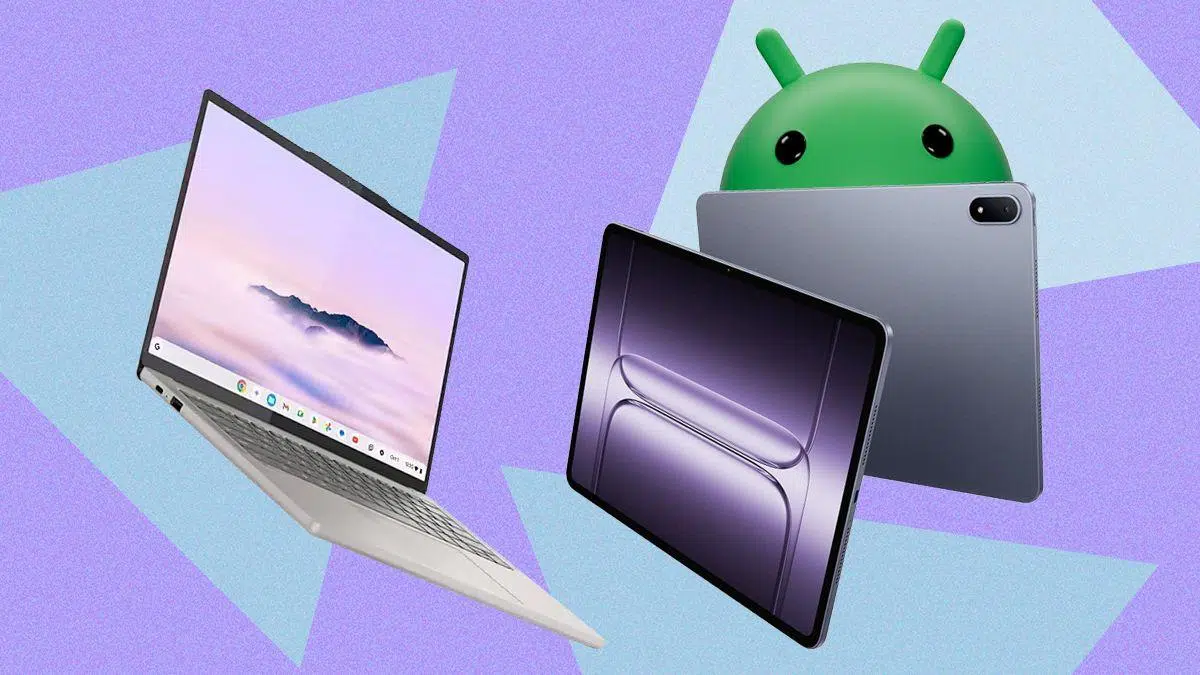
The world of laptops is constantly evolving : new models with AI, increasingly common OLED screens, rising prices due to memory, and a release schedule dictated by CES in Las Vegas. If you're interested in laptop news , deals, and market trends, there are more changes than ever before, and it's worth taking a closer look.
In this article, we review all the latest news about laptops : what ASUS, Lenovo, Acer, MSI, HP, Gigabyte, and Apple have presented; how the rising cost of memory is affecting final prices; what's happening with LCD and OLED panels; and which models are attracting the most attention, from brutal gaming machines to lightweight ultrabooks for studying or working from home.
CES and major trade shows: laptops surrender to AI and OLED screens
The latest edition of CES in Las Vegas was a major turning point for the sector, with the show clearly dominated by generative AI integrated into laptops . However, many brands have chosen to complement this trend with different offerings: dual-screen designs, convertible formats, new materials, and battery life improvements that directly impact daily use.
ASUS, for example, has refreshed its professional lineup with the new ExpertBook Ultra, P and B series desktops, and an updated Chromebook family . This ExpertBook Ultra boasts a weight of less than one kilogram, next-generation Panther Lake processors, and a promised 24-hour battery life, positioning itself as a serious contender for those who work long hours with their laptops.
Meanwhile, CES has been the stage where several companies have taken their AI PCs to a new level . Gigabyte showcased its GiMATE offering, a vision of an intelligent PC with enhanced assistance features, while Lenovo, Acer, MSI, and ASUS deployed a full arsenal of Copilot+ systems and systems with dedicated NPUs capable of achieving tens or even hundreds of TOPS in artificial intelligence tasks.
The other major trend is the consolidation of OLED screens and 2.8K or 3K resolutions in premium and gaming laptops. Models from Lenovo, Acer, MSI, and ASUS already combine high refresh rates (120, 165, or 240 Hz) with high-quality OLED panels, taking the visual experience to a level far superior to the classic LCD.
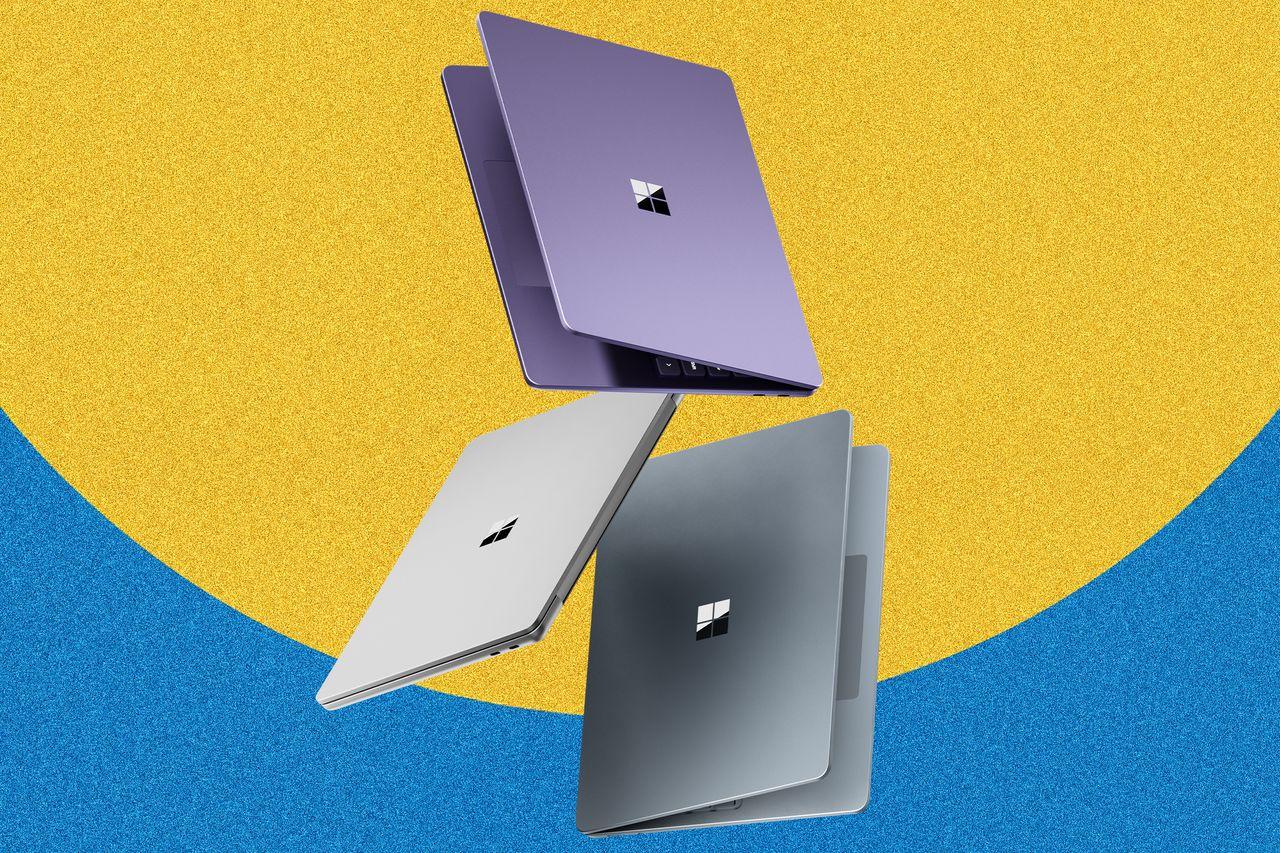
ASUS: Dual screens, ultralight laptops, and a revamped gaming family
ASUS has been one of the most active brands, with an offensive covering everything from the creative and professional sectors to the most demanding gaming. A highlight is the dual-screen Zenbook DUO , a new generation featuring two 3K OLED panels at 120Hz, up to 180 TOPS of AI, and a 99Wh battery, geared towards creators, extreme multitasking, and users who need to work with many windows open simultaneously.
Within the creative ecosystem, the company has updated its ProArt range with the PX13, a special edition PX13 GoPro Edition, and the PZ14 . These are laptops designed for video editing, photography, and content production, featuring high-end hardware and meticulous attention to color calibration, connectivity, and support for professional accessories.
The productivity side is strengthened by the Vivobook S14 and S16 series, as well as the Vivobook Copilot+ PC , which combine Intel, AMD, and Snapdragon processors to offer devices with integrated AI. New 14-, 16-, and 18-inch Vivobooks with enhanced performance and smart features have also been introduced, expanding the range of options in the mid-range and high-end segments.
In the gaming arena, ASUS has given its ROG lineup a complete overhaul. Highlights include the TUF Gaming A14 with Ryzen AI Max and a 2.5K 165Hz panel , the new ROG Zephyrus G14 and G16 with a slimmer and more refined design, the ROG Zephyrus Duo 16 with dual OLED displays, and the ROG Flow series, including a special edition Z13-KJP created in collaboration with Kojima Productions. All of these focus on delivering brutal power, high refresh rates, and a gamer aesthetic without sacrificing lightweight design.
In the ultrathin category, ASUS redefines the standard with the Zenbook S14 and S16, which are barely 1,1 cm thick , and with the A14 and A16 equipped with Snapdragon X2 Elite and Elite Extreme processors, promising over 28 hours of battery life. These are clearly designed for extreme portability, with highly refined designs and more than enough performance for office work, study, and multimedia.
Lenovo: Legion, LOQ, and AI-powered business laptops
Lenovo maintains its position as the world leader in laptop sales volume , and in this wave of launches, it has strengthened both its gaming and professional ranges. Within the business segment, the brand has showcased PCs with smarter AI, designed to offer more intuitive, secure, and connected work experiences, with a special focus on the integration of intelligent assistants and advanced collaboration features.
In gaming, the Legion and LOQ families are updated with new devices equipped with AI, SteamOS support, and even rollable screens . Among the flagship models, the Lenovo Legion Pro 7i stands out for its OLED panel, extreme power, and clear ambition to be at the top of the gaming market. Meanwhile, the LOQ family is establishing itself as an excellent value option for those looking for a powerful laptop without paying the price of the most elite models.
Lenovo has also unveiled the Yoga Slim 7x, an ultrabook with an 18-core Snapdragon X2 Elite processor and a 2.8K OLED display , aimed at both creative users and those who need a quiet, lightweight device with long battery life. It joins the trend of Copilot+ PCs and Windows on ARM, focusing on highly efficient performance and intensive use of integrated AI.
The Chinese brand also has an advantage in the current cost environment thanks to its robust supply chain and long-term agreements with memory suppliers . While it cannot avoid rising prices, its economies of scale and negotiating power allow it to mitigate some of the impact and potentially gain market share even in a scenario of declining demand.
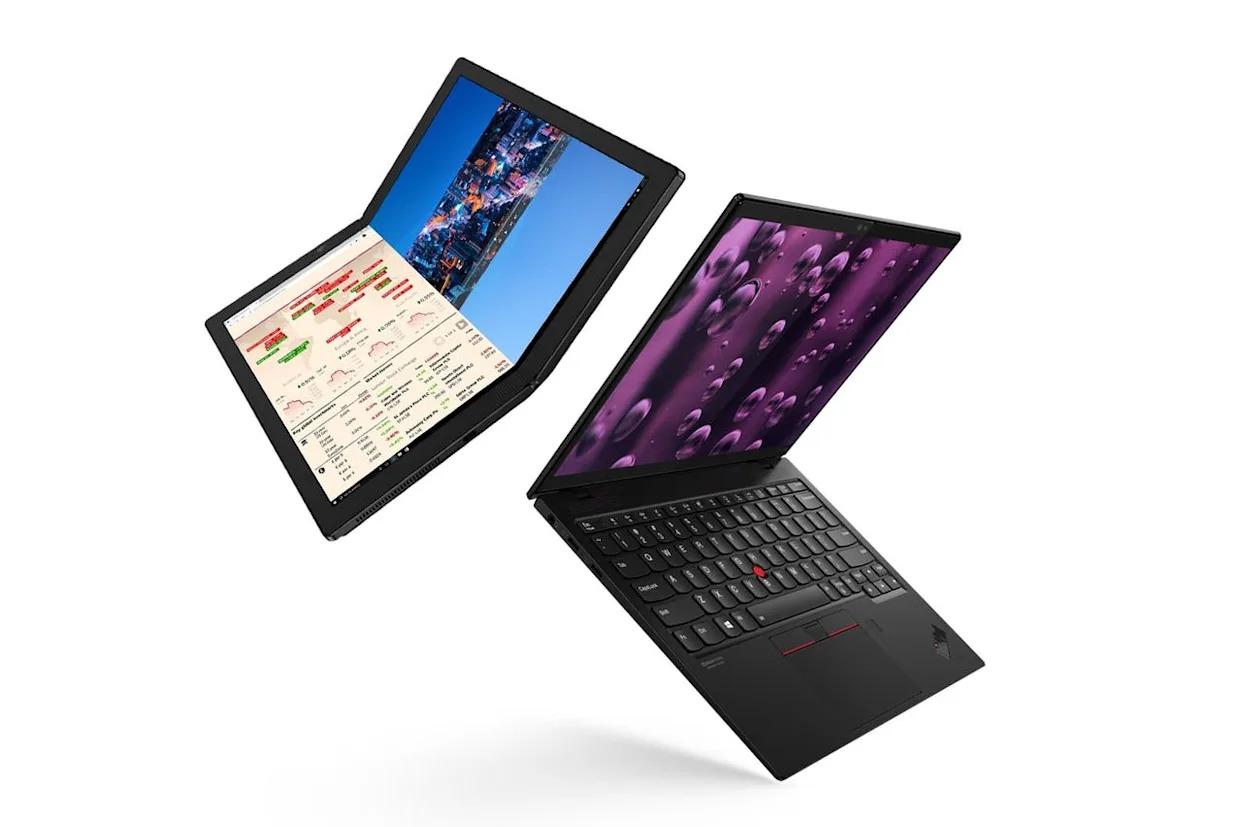
Acer, MSI, HP and Intel: new CPUs, AI and laptops for all users
At CES, Acer unveiled a range of devices aimed at both general users and gamers. On one hand, its Predator and Nitro gaming laptops feature Intel Core Ultra Series 3 CPUs and NVIDIA RTX 50 GPUs , strengthening its lineup for those seeking high-performance graphics. On the other hand, the Aspire AI Copilot+ and Swift AI Copilot+ are positioned as productivity and mobility devices, with Intel Core Ultra Series 3 processors and integrated intelligent system functions.
The company has also announced the addition of AMD Ryzen AI 400 series processors to part of its Copilot+ PC portfolio, expanding the variety of architectures and AI options available for Windows laptops. This consolidates a highly comprehensive offering, ranging from affordable machines to premium models with high-quality displays and cutting-edge hardware.
MSI, for its part, has reinforced its performance-focused brand image with devices like the Raider 16 Max HX OLED, which pushes the Intel Core Ultra 200HX to the limit , and the Stealth 16 AI+ with a 240Hz OLED panel and RTX 50 GPU, an ultra-thin laptop that combines understated aesthetics, ample power for gaming and work, and a top-notch visual experience.
Completing their range are the MSI Prestige AI+ (ultralight premium laptops with 2.8K OLED and Intel Core Ultra) and the Crosshair 16 and Crosshair 16 Max, which renew their mid-range gaming catalog, offering competitive alternatives to those who want power without going to the most expensive range.
HP has seized the opportunity to unify HyperX and OMEN into a single range of high-end gaming laptops and monitors , clarifying its offerings for gamers and content creators. Furthermore, the brand has continued to release models for remote work and students under the OmniBook and Victus families, leveraging its strong reputation for durability and support.
On the processor front, Intel has unveiled the Core Ultra 3 "Wildcat Lake" for entry-level and embedded systems , and the Core Ultra Series 3 "Panther Lake," the first chips manufactured on the 18A node, which directly aim to improve performance per watt and AI capabilities. These launches join AMD's offensive with Ryzen AI PRO and Ryzen AI 400 series, designed for enterprise PCs with NPUs of up to 60 TOPS.
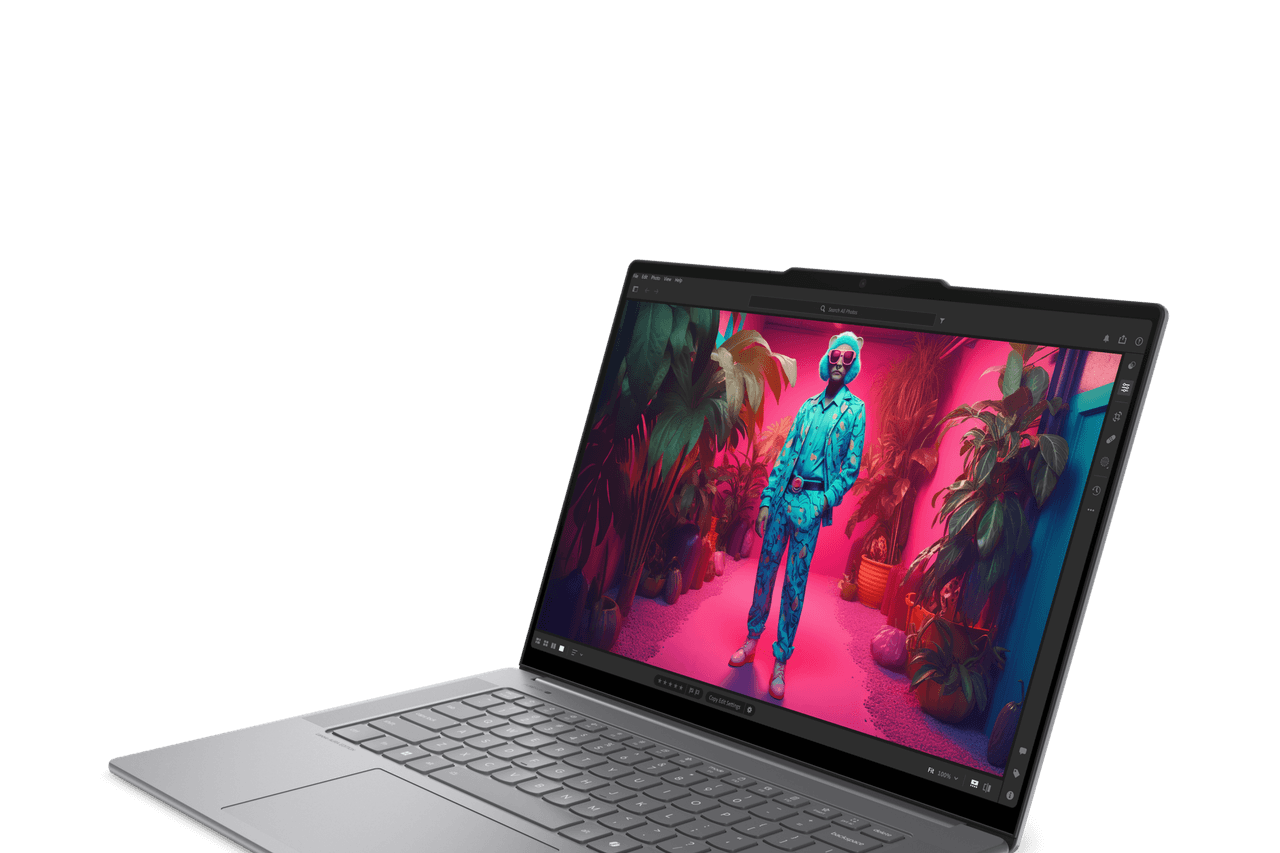
Prices, memory, and screens: why laptops are getting more expensive
One of the less visible but most important aspects for the user is the rising price of memory and key components like SSDs . This increase is squeezing manufacturers' profit margins and forcing them to raise the prices of many models, especially in the mid-range and high-end segments, where the demand for configurations with 16, 32, or more GB of RAM is constantly growing.
According to TrendForce's forecasts, laptop shipments for this year have been revised downwards, with a projected year-over-year decrease of 5,4% and a total of 173 million units . Brands are adopting a more conservative approach to inventory management, promotional campaigns, and product configurations, attempting to balance rising costs with more cautious demand from consumers, SMEs, and professionals.
If memory prices don't begin to moderate significantly in the second quarter, and manufacturers fail to fully pass on this increase to consumers, wholesale demand for entry-level and consumer laptops could fall even further . TrendForce even projects a more pessimistic scenario, with a potential 10,1% year-over-year decline in wholesale laptop sales volume by 2026.
The impact is also being felt in the panel market. Wholesale sales of laptop panels are projected to fall by 7,9% year-on-year , with LCD panels suffering particularly from weak demand and the advancement of OLED technology. While demand for OLED laptop panels is expected to continue growing as the range of models expands, the increased manufacturing costs of memory and other components could slow their widespread adoption.
In this context, brands with strong, long-term relationships with memory and panel suppliers , as well as a significant presence in the corporate and mid-to-high-end segments, are better positioned to weather the storm. They can negotiate better terms, plan their product launches more effectively, and offer somewhat more competitive prices than manufacturers with less financial strength.
Apple, Lenovo and other major players face rising costs
Apple is one of the manufacturers that has best weathered these turbulent times. Its integrated supply chain and enormous pricing power allow it to adjust its product ranges with considerable flexibility. Furthermore, its purchase volumes are stable and high, and it has a clear roadmap and highly predictable demand planning, making the company a prime partner for memory suppliers.
In practice, this means Apple can better control MacBook pricing , maintaining high margins even in an environment of rising costs. While not immune to price increases, its position gives it an advantage over many rivals, something that is evident in the large number of attractive offers on models with M4 chips, batteries with more than 20 hours of life, and configurations with 16 or 24 GB of RAM.
Lenovo, as the leading laptop vendor by volume, is also not immune to rising memory costs, but its economies of scale and consolidated supply chain allow it to partially limit price increases and adjust its product mix to compensate. While some smaller manufacturers struggle to maintain competitive pricing, Lenovo is likely to gain some market share in key segments such as enterprise and education.
In general, the laptop market depends on a delicate combination of supply chain relationships, product range, channel strategy, and business demand . Those who master these four factors are more likely to weather the storm in a year where sales forecasts are far from optimistic.
Deals, discounts and star models: laptops for every type of user
Despite this context of rising costs, stores and manufacturers continue to launch aggressive offers at key times such as back-to-school season, autumn, Black Friday, and Prime Day . Eye-catching discounts, often of 30, 40, or even more than 50%, are seen on laptops from very popular brands: Lenovo, HP, ASUS, Acer, MSI, HUAWEI, Samsung, and Apple, among others.
In the gaming sector, there are plenty of discounts on systems with 32GB of RAM, RTX 4060, 5050, 5060, 5070, or even 5070 Ti graphics cards, 144, 165, or 240Hz displays, and 1 or 2TB SSDs . If you also follow video game news , you'll see how some deals coincide with new releases; some models drop by 200, 300, 500, or even 700 euros compared to their original price, becoming real bargains for those looking to play at a high level or who need power for video editing, 3D modeling, or development work.
For students and remote workers, the selection is equally broad. Lightweight laptops with 16 GB of RAM, 512 GB or 1 TB SSD storage, and good battery life are highly recommended , with prices that, with the right deals, can range from €500 to €900. This group includes laptops from HP (OmniBook, Victus, 15- and 16-inch models), Lenovo (product lines for study and remote work), Samsung, and a wide range of Windows ultrabooks that compete directly with the MacBook Air.
Apple's models, meanwhile, are experiencing a wave of much-discussed promotions. MacBook Air and MacBook Pro models with the M4 or M4 Pro chip , 16 or 24 GB of RAM, and a 512 GB SSD are receiving price cuts that bring them closer to an audience that previously considered them somewhat out of reach. Many experts point to them as the ideal option for students and professionals who prioritize battery life, lightness, and quiet operation.
The user looking for a laptop "for life" has very balanced options available : gaming laptops that also perform great in work tasks, premium ultrabooks with OLED screens that weigh just over a kilo and offer up to 22, 26 or even more than 30 hours of battery life, and ARM models with Snapdragon X or Ryzen AI that focus on extreme efficiency and deep integration with the operating system's AI.
Accessories, lifestyle and ergonomics: beyond the laptop itself
The ecosystem surrounding laptops, including peripherals and accessories , is also gaining prominence. There's a clear focus on the physical well-being of those who spend many hours in front of a screen : ergonomic mice designed to reduce pain in hands, wrists, and arms are being analyzed and recommended, as well as chairs, stands, and accessories that facilitate correct posture while working or studying.
Along these same lines, specific glasses designed to reduce eye strain are appearing , both for laptop users and for those who spend a lot of time on their mobile phones or tablets. Some are especially lightweight and affordable, and focus on reducing eye fatigue, headaches, or discomfort from prolonged screen time, fitting in perfectly with the rise of remote work and online learning.
The range of laptop cases, backpacks, and briefcases for laptops up to 17 inches is also growing , aiming to combine protection against bumps and scratches with a design that fits in office or study environments. From classic options to those with eye-catching prints, the market offers alternatives for virtually every taste.
In the realm of audio and video, it's increasingly common to see comparisons of PC speakers, high-quality webcams, and USB microphones designed for video calls, podcasts, or live streams. Many of these devices stand out for their small size, light weight, and ease of connection, providing tangible improvements to the quality of online meetings and content created from home.
Finally, attention is paid to the organization of the workspace : boxes for tidying cables, storage accessories and small desktop items that help keep the environment cleaner and safer, preventing tripping, damage to pets or children and, in general, the chaos of cables crossing the floor or the desk.
Education, mobile phones and social debate surrounding screens
The impact of laptops and other devices on daily life has sparked a social and educational debate about screen use . Some administrations have begun to reconsider the age and grade level at which intensive laptop use is introduced in classrooms, delaying, for example, the distribution of individual devices until the later years of primary school.
Meanwhile, the use of mobile phones in schools remains under scrutiny. There are proposals for a total ban on phones in secondary school as well , with the aim of reducing distractions, improving coexistence, and lessening the impact of overexposure to social media and messaging apps among teenagers.
Public figures and experts, including well-known actors and leading psychologists, have criticized both schools and parents for contributing to screen addiction . They point out that responsibility is shared and that a balance must be struck between harnessing the benefits of technology and protecting the healthy development of children and young people.
Even in everyday leisure activities, some bars and cafes are starting to limit laptop use during certain hours to prevent their tables from becoming makeshift offices and to preserve their essence as social gathering places. This reflects the extent to which laptops have become integrated into daily life and how their constant presence is changing the way we occupy and understand public spaces.
Amid these discussions, nostalgic reflections also arise about the era when the internet was something you went to, not something omnipresent . Before, you went to an internet café, the library, or the living room computer; now, a constant connection accompanies us in bed, the bathroom, or on the bus, and the laptop is just one of the many gateways to that always-on digital world.
Which laptop to buy today: profiles, needs and references
With so many options and so much news, it's normal for many users to wonder which laptop to buy based on their needs . Specialized content tends to group recommendations by specific requirements: students, professionals, gamers, users who only want to browse and perform basic tasks, or those looking for a very lightweight device for travel.
For students and remote workers, a good balance between price, power, and battery life is paramount . Laptops with current processors (latest generation Intel Core, modern Ryzen, or recent ARM chips), 16 GB of RAM, and 512 GB or 1 TB of SSD storage are generally the best choice to ensure several years of smooth use. Many experts recommend specific models from Lenovo, HP, ASUS, Samsung, or MacBook Air with the M4 chipset in this price range, which frequently appear on "best for under €1000" lists.
For gaming or demanding tasks like editing and content creation, the focus is on dedicated graphics cards (RTX 4050, 4060, 5060, 5070…), 32 GB of RAM, and fast screens with good color reproduction . Laptops from MSI (Katana, Stealth, Raider), Lenovo (Legion, LOQ), HP (OMEN, Victus), ASUS (TUF, ROG Zephyrus, ROG Flow), and Acer (Predator, Nitro) dominate many recommendations, especially when they appear with significant discounts during events like Black Friday or Prime Day.
Those who prioritize extreme portability look primarily at ultrabooks under 1,3 kg, with batteries exceeding 18-20 hours and high-quality screens. This group includes models like the LG gram, the ASUS Zenbook family, the Yoga Slim, and certain OmniBook or Swift models from HP and Acer, as well as the latest MacBook Air, which remains the benchmark for many users who want to "buy once and forget about it for years."
Finally, for very tight budgets, there are also recommendations for basic laptops with 8-16 GB of RAM and a 256-512 GB SSD . While these aren't machines for gaming or professional video editing, they are perfect for office work, online classes, web browsing, and content consumption. Occasionally, special offers allow you to find these laptops for under €400, making them a very attractive alternative to a digital kit or continuing to use an old, slow laptop.
This whole picture paints a dynamic laptop sector: AI is being integrated into almost every segment, OLED screens are gaining ground, prices are being driven up by the cost of memory, and manufacturers are responding with lighter designs, massive batteries, and aggressive discount campaigns . Whether you want a machine for studying, working remotely, gaming, or content creation, or you simply need a reliable laptop for everyday use, there has never been so much variety… although choosing wisely requires staying up-to-date with all the latest news and understanding what lies behind each technical specification.
