- There are several external factors and driving habits that directly influence the kilometers you can travel on a single charge.
- Although physical range extenders are less common these days, energy efficiency and battery maintenance are the real keys to gaining range.
- Route planning and intelligent load management help mitigate range anxiety on long journeys.
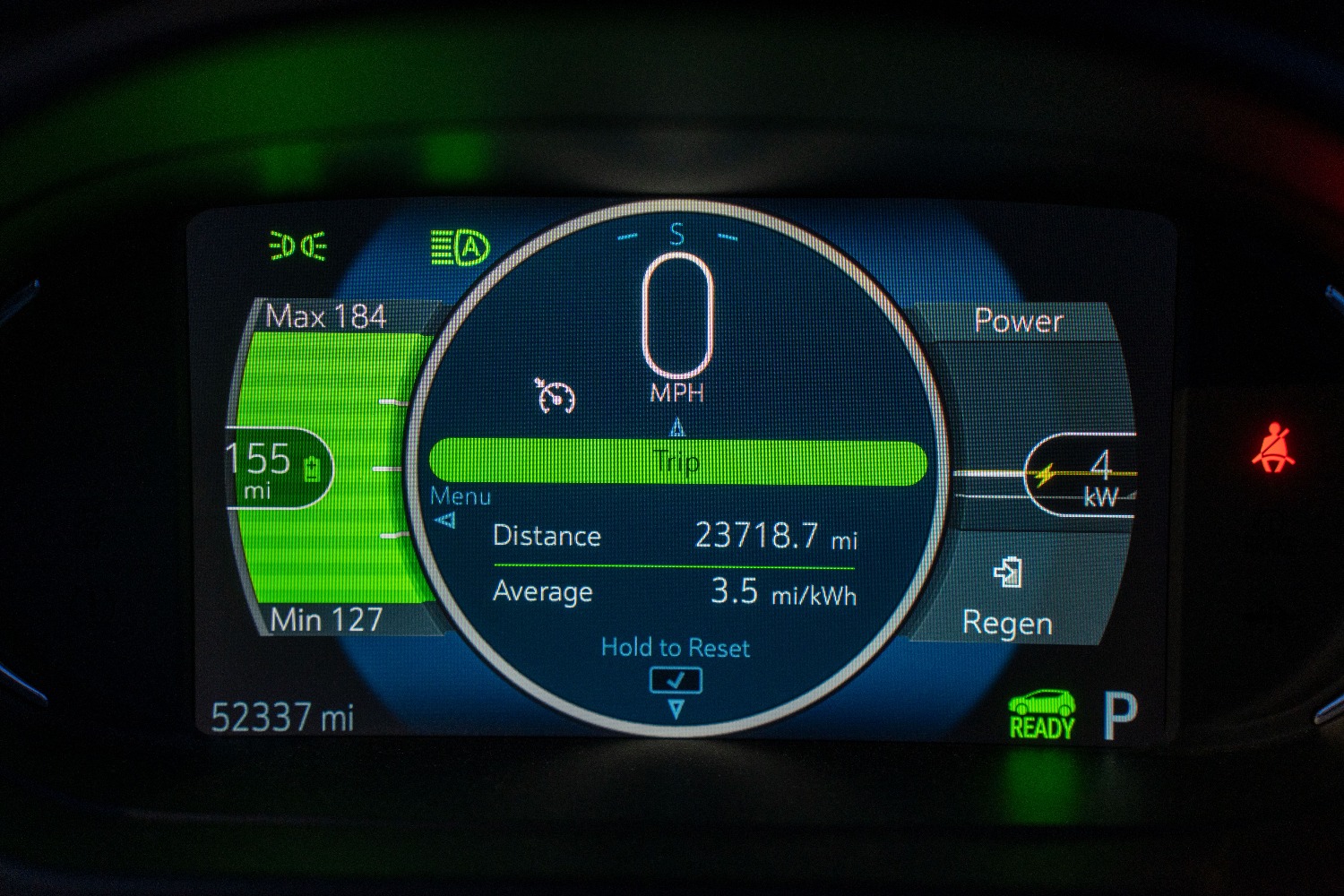
If you've recently switched to electric mobility or are thinking about doing so, the issue of range is likely on your mind. That feeling of fear of running out of power , technically known as range anxiety, is more common than it seems, although the reality is that current vehicles are much more capable than we're led to believe.
The truth is, even though manufacturers sell us a specific figure, the distance you travel depends on many factors , from how you accelerate to whether it's freezing cold outside. That's why understanding how your battery works and what tricks you can use to stretch every kWh is essential for enjoying your car stress-free.
Do range extenders really exist?
Range extenders were once a hot topic, but today they're largely uncommon , especially in Europe due to increasingly stringent emissions regulations. Essentially, they involved adding an extra energy generation system, but the market has shifted towards more efficient batteries.
Currently, you can find specific solutions like trailers with auxiliary batteries , which are practical because you can leave them in the garage when you're only traveling around town. There are two main types of these trailers: those with a combustion engine (not very eco-friendly and not very popular) and plug-in mobile batteries , which, although useful for long trips, tend to be quite expensive or require rental.
The difference between the official and real-world range
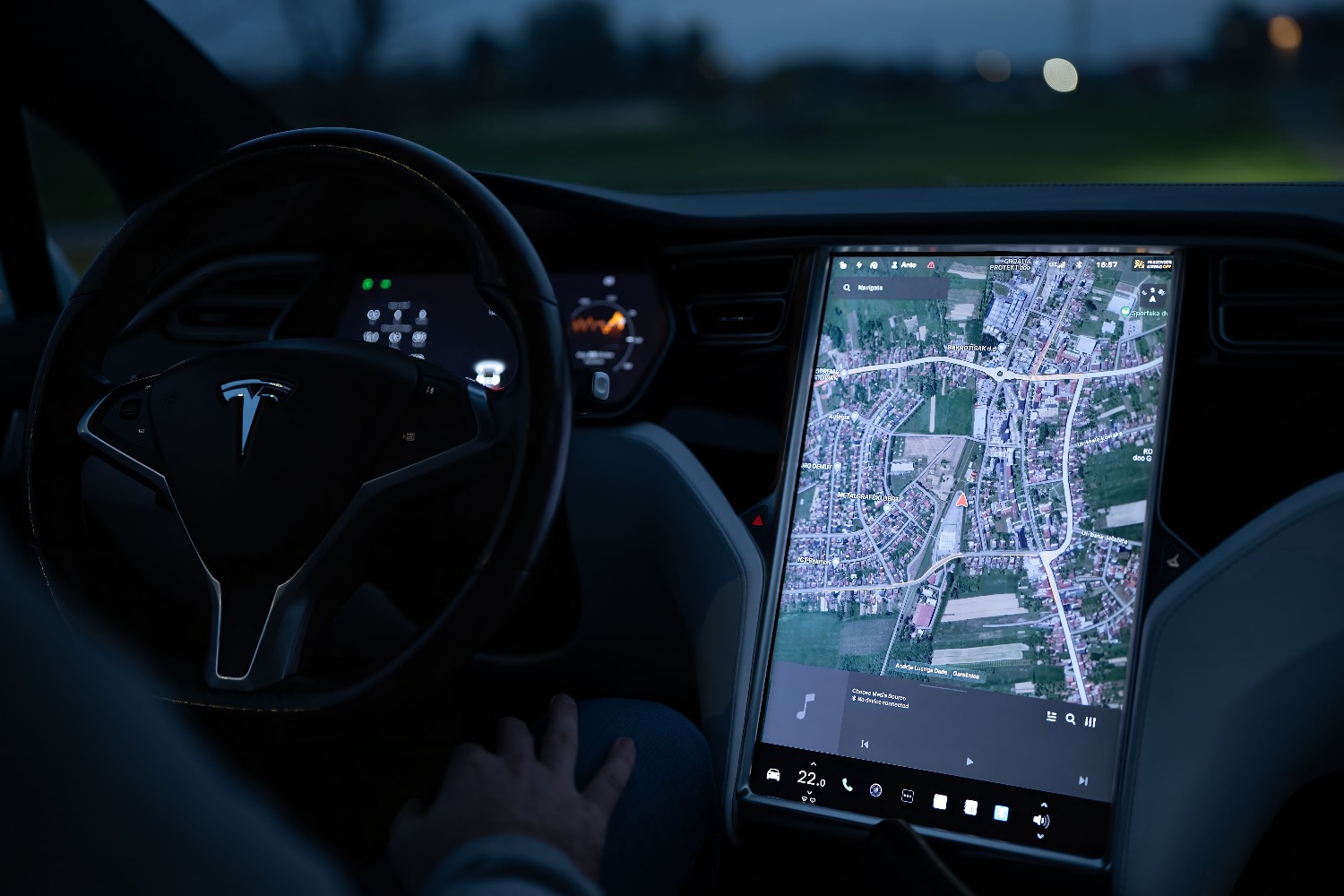
You've probably noticed that cars are listed with the WLTP cycle, which is the standard measurement for comparing models. The problem is that it doesn't always reflect real-world driving . In practice, it's normal for the actual range to be slightly lower than what's advertised in the brochure.
To avoid surprises, you can do a quick calculation based on your driving style. If you mainly drive in the city, you'll use between 90% and 100% of the battery . For mixed use, expect around 80-90%, and if you drive on the highway, you'll most likely only use between 70% and 85% of the rated capacity.
If you want to be more precise, you can use a simple formula: divide your battery's usable capacity (in kWh) by your average consumption and multiply by 100. For example, if you have 77 kWh and consume 17 kWh per 100 km, your estimated actual range will be about 452 kilometers.
Factors that drain your battery without you noticing
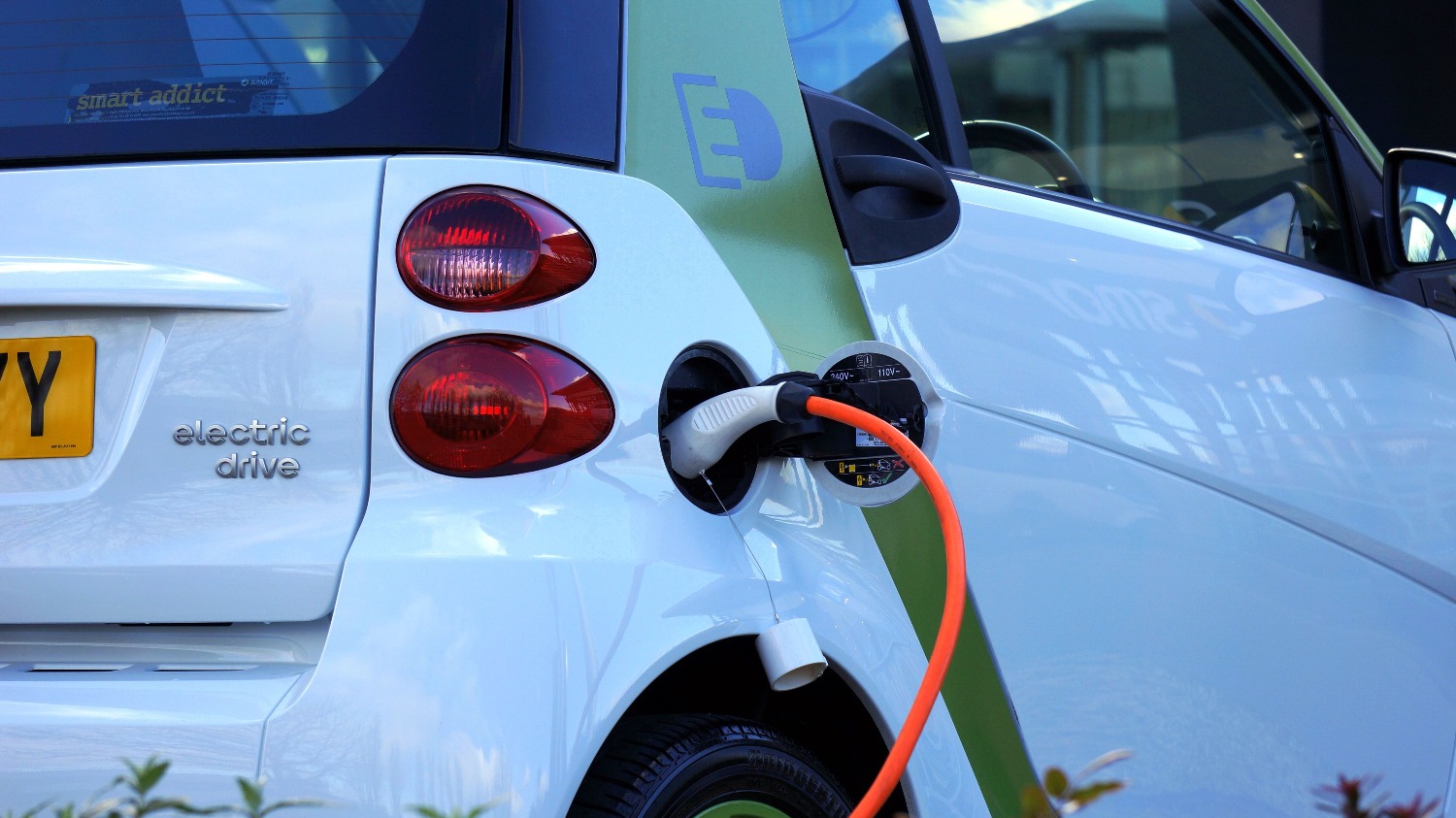
Not all journeys are the same, and certain factors can cause energy consumption to skyrocket . Speed is the key factor; while in the city the car recovers energy when braking, on the highway air resistance is brutal and consumption soars. Maintaining a constant and moderate speed is the best way to save electricity.
The weather can also play tricks on batteries. They hate extremes; when it's very cold, they need more energy to reach their ideal temperature, and the heating system also consumes a considerable amount. In summer, air conditioning also drains the battery, although the impact is less than in winter. To combat this, the ideal solution is to cool the car while it's still plugged into the charger.
Other details that seem insignificant but add up are weight and aerodynamics. Having a full trunk or installing a roof box increases wind resistance and forces the motor to work harder. Even tire pressure matters: if they're low, there's more friction and you use more battery power than necessary.
Practical tips for gaining extra miles
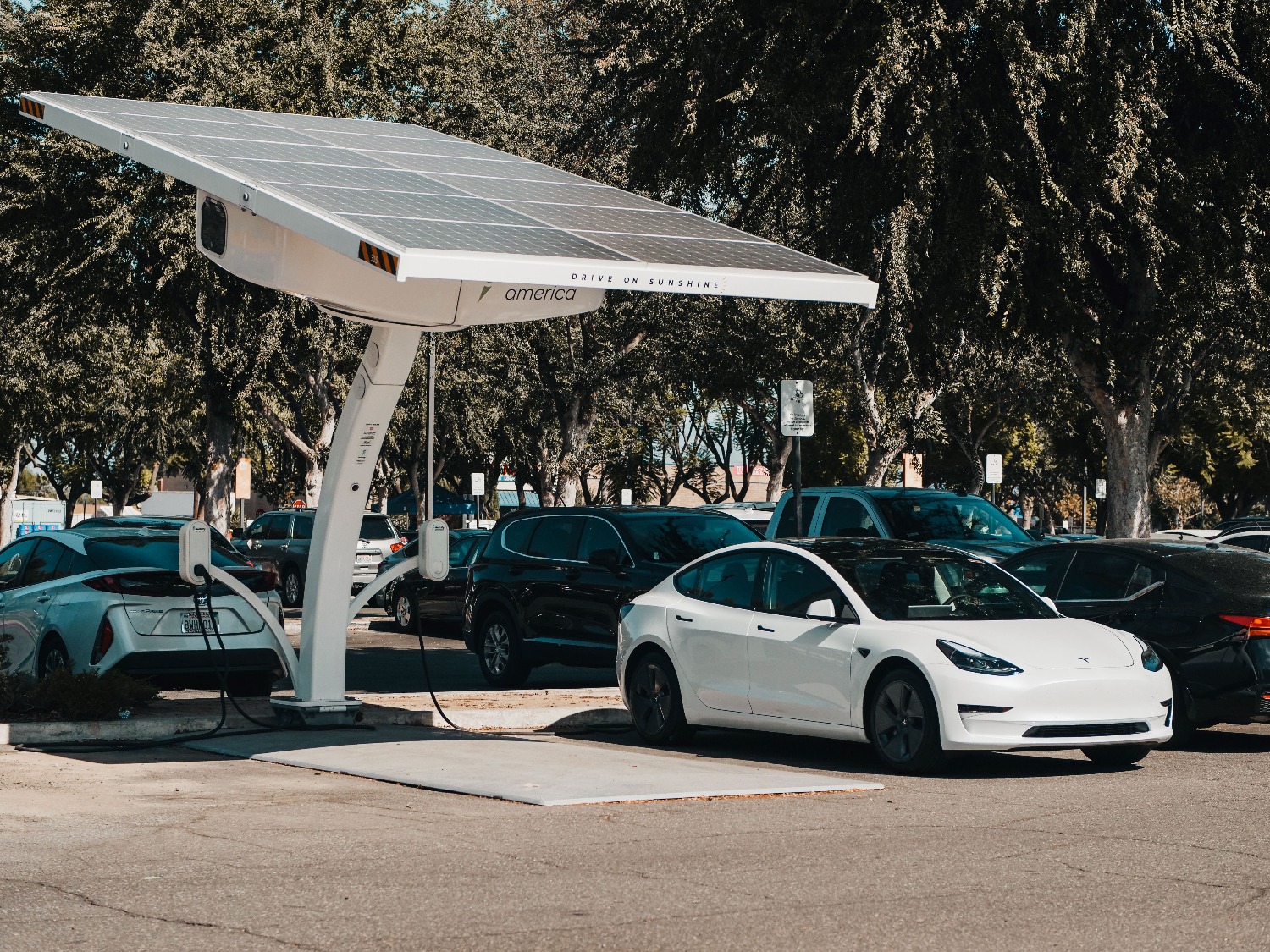
To get the most out of your vehicle, the first thing to do is to take care of your driving style. Avoid sudden acceleration and use ECO mode if your car has it, as it optimizes energy consumption. In addition, it's essential to master regenerative braking , which allows you to convert kinetic energy into electricity when you reduce speed—something especially useful on downhill slopes.
Planning is your best ally. Before setting off, study the most efficient route and make sure you leave with a fully charged battery . It's not about performing miracles, because if your car can do 300 km, it won't do 600, but with these adjustments, you can shave off a few kilometers that can be the difference between arriving comfortably or struggling.
How to care for your battery so it lasts longer
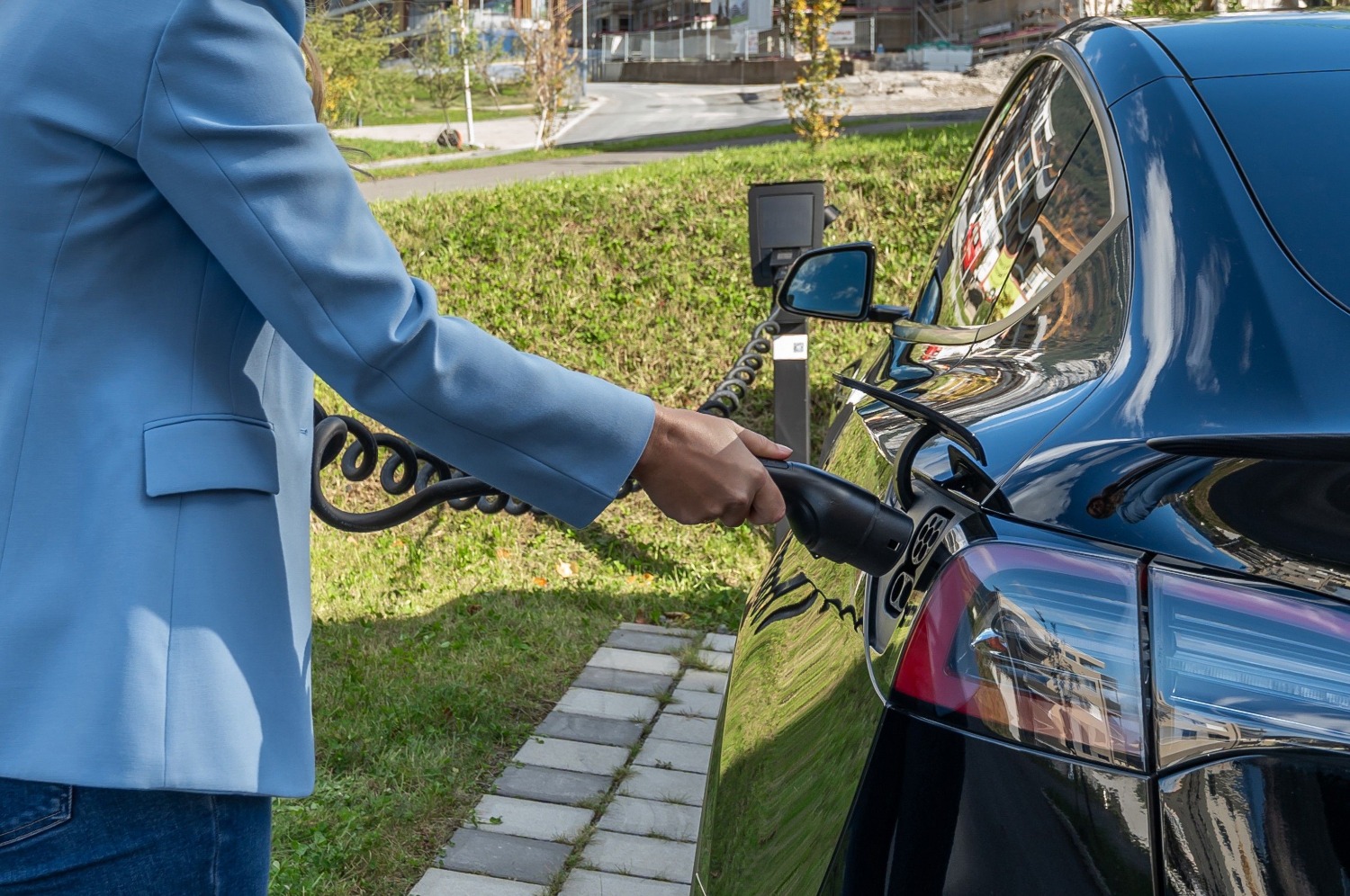
It's not just about how far you travel today, but also about preventing premature battery degradation. A good rule of thumb is to keep the charge within a moderate range, between 20% and 80% , avoiding letting it reach zero or remain constantly at 100%, as this reduces chemical stress on the cells.
Don't overuse fast charging either. While convenient on the road, it generates a lot of residual heat , which can accelerate wear and tear in the long run. Opt for slow charging as a daily habit and avoid leaving your car exposed to extreme temperatures when not in use. Also, take care of your charging equipment, avoiding the use of extension cords or adapters that are not official to ensure safe and efficient power transmission.
Optimizing the performance of an electric car involves combining smooth driving, preventative tire maintenance, and intelligent management of temperatures and loads. By understanding that real-world range depends more on our driving habits than the figure in the catalog, we can travel with complete peace of mind and maximize battery life .
FAQ
What is the real-world range of an electric car?
It is the distance that the vehicle can actually travel under daily use conditions, which is usually less than the WLTP approved figure depending on the type of journey and the weather.
How does speed affect battery consumption?
At higher speeds, especially on highways, aerodynamic resistance increases, which causes a significant increase in energy consumption and reduces range.
Can autonomy be increased with trailers?
Yes, there are trailers with additional batteries that connect to the car, although they are expensive solutions and less common than driving optimization.
Why does cold weather reduce range?
Low temperatures make the battery less efficient and force the use of heating, which consumes a considerable amount of electrical energy.
What is the best way to charge the battery so that it doesn't degrade?
Ideally, the charge level should be kept between 20% and 80%, and slow charging should be prioritized over fast charging to avoid overheating.
Is ECO mode useful in electric vehicles?
Yes, this mode reduces energy consumption by limiting certain vehicle features to prioritize efficiency and extend available mileage.
How does tire pressure affect the battery?
Insufficient pressure increases rolling resistance, forcing the engine to use more energy to move the vehicle and reducing range.
