- Artificial intelligence allows the creation of exact replicas of the human voice with just a few seconds of audio obtained from the internet.
- Criminals use emotional pressure and urgency to manipulate victims and request quick money transfers.
- Establishing familiar keywords and verifying identity through alternative channels are the most effective defenses against vishing.

Imagine the phone rings and, when you answer, you hear the anguished voice of your child or grandchild screaming for immediate help. It's a chilling situation, and unfortunately, it's the perfect bait for a type of fraud that's rapidly gaining traction: scams using AI-cloned voices . We're no longer talking about science fiction movies, but a reality where technology allows someone you don't know to sound exactly like someone you trust completely.
The impact of AI on our daily lives is undeniable, and while it has wonderful applications, it has also given cybercriminals dangerous tools. Identity theft through audio deepfakes is a clear example of how human emotion can be manipulated to steal from us. The worst part is that sometimes even the most cautious can't distinguish a synthetic recording from a real one, since scammers know how to play on our nerves so we don't notice the details.
What exactly is voice cloning and how are we being deceived?
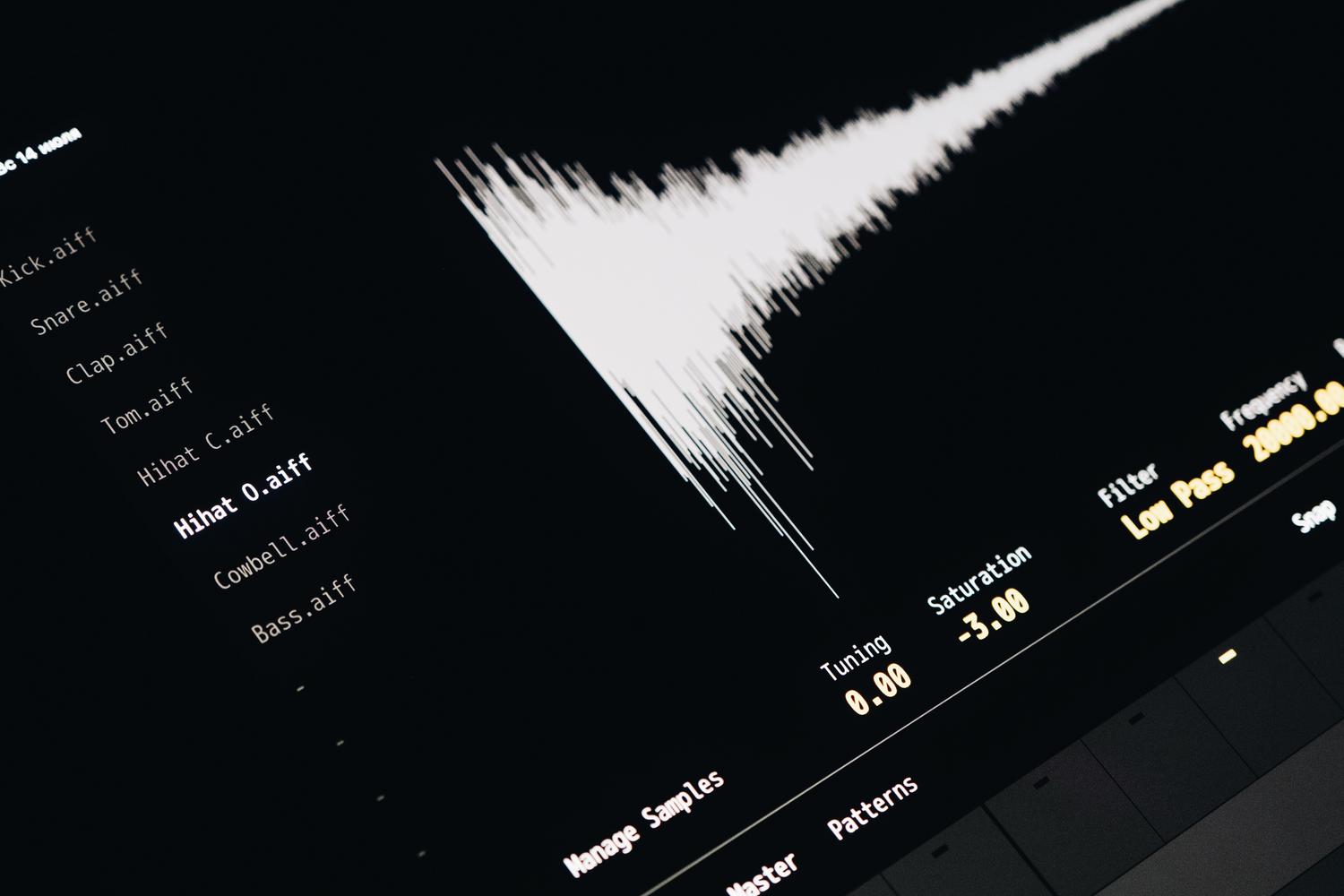
Voice cloning involves using deep learning algorithms to capture the unique characteristics of a person's speech. What's most unsettling is that just a few seconds of audio are enough for an AI tool to create a convincing clone. These samples can come from anywhere: a video you uploaded to Instagram, a WhatsApp audio message someone intercepted, or even a phone call recorded without your knowledge.
Once they have the voice model, criminals can write any script and have the AI deliver it with the victim's tone and intonation. Unlike old-fashioned robocalls, these interactions are dynamic ; the scammer can adjust the response in real time, making the conversation flow naturally and be much harder to detect.
Common tactics: from virtual kidnapping to corporate fraud

Scammers don't do anything without a reason and often target situations where the victim is overwhelmed by stress. One of the cruelest examples is the virtual kidnapping or family emergency scam . You receive a call where someone who sounds like your child claims to have been in an accident or detained, and a supposed police officer demands money quickly to resolve the problem. They use crying and background noise to create chaos and prevent you from thinking clearly.
But it's not just families they target. In the corporate world, there's what's known as CEO fraud . Here, the attacker clones the voice of a senior executive and calls a finance employee ordering an urgent transfer to a foreign account for a confidential business deal. Because the order comes from someone in a position of authority , many employees disregard security protocols out of fear or respect, moving thousands of euros in a matter of minutes.
Warning signs to avoid falling into the trap
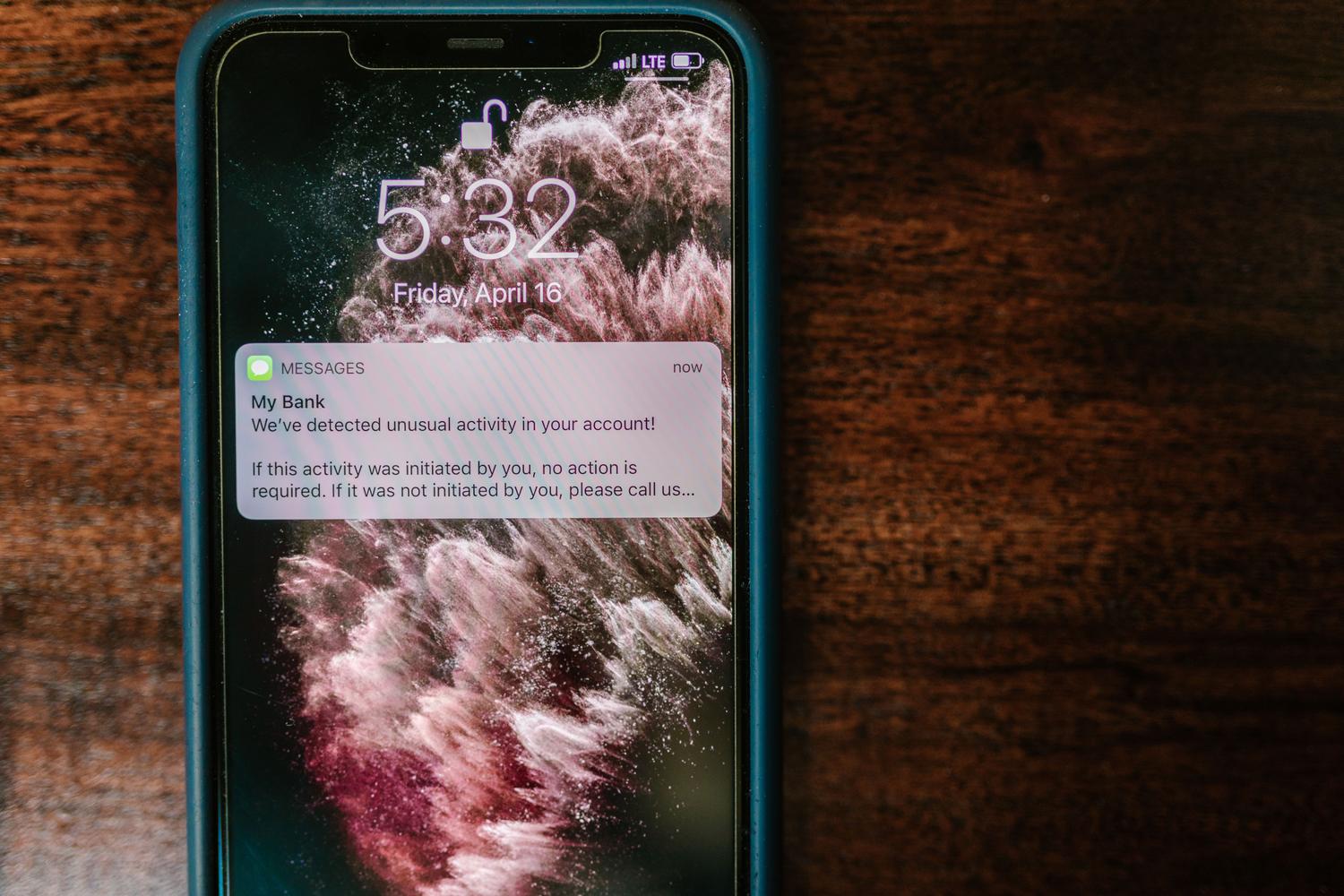
Even with advanced technology, there are always vulnerabilities. Be suspicious if you notice unnatural intonations or strange pauses that don't match your acquaintance's usual way of speaking. Sometimes, the rhythm is too monotonous, or there's a complete lack of grammatical coherence in some sentences. However, be careful, because scammers often add background noise or fake poor reception to mask these technical flaws.
The biggest red flag is extreme psychological pressure . If they ask you to keep the call secret, not to hang up to call anyone else, or to make the payment using irreversible methods like cryptocurrencies or gift cards, you're dealing with a scam. No financial institution or legitimate family member will force you to act with such urgency without letting you verify the situation.
Total protection: how to protect yourself and your loved ones
The best defense isn't technological, but organizational. One of the most effective measures is to agree on a family safe word . This is a code or secret phrase, uncommon and not shared on social media, known only to members of your inner circle. If you receive an alarming call, ask for the safe word; if the caller doesn't know it or hesitates, hang up immediately.
Furthermore, it's vital to encourage the habit of verifying identity through alternative channels . If your child calls you from an unknown number asking for money, hang up and call their usual number yourself or contact someone who is with them. Don't feel bad for being wary; in today's world, questioning the call is the only way to avoid being scammed.
Additional care in the digital world
To reduce the chances of your voice being cloned, it's advisable to limit your digital footprint . Avoid posting long videos where you talk a lot or leaving detailed greetings in public voicemail. Configure your social media privacy settings so that only people you know have access to your content, as criminals use OSINT techniques to collect data and audio recordings of their targets.
It's also advisable not to answer calls from unknown numbers, or if you do, avoid saying the word "yes" alone at the beginning of the conversation. Although it's a simpler technique than AI cloning, some scammers record that "yes" to try to sign up for fraudulent services in your name.
If you've ever been a victim of these scams, the first thing to do is not to feel ashamed, as current technology is extremely persuasive. You should cut off all contact with the scammer, notify your bank to try to freeze the funds, and file a formal complaint with the appropriate authorities, providing all the evidence, such as the phone number and any recordings you have. Staying calm, establishing secret codes among family members, and being wary of any urgent requests for money are key to neutralizing vishing and audio deepfakes in our daily lives.