- Transformation of static images into dynamic videos using prompts or predefined templates.
- Compatibility with JPG, PNG and JPEG formats with final export in MP4 format.
- Complementary tools for editing, creating images from text, and visual analysis.
- Strategic application in digital marketing to increase retention and engagement.
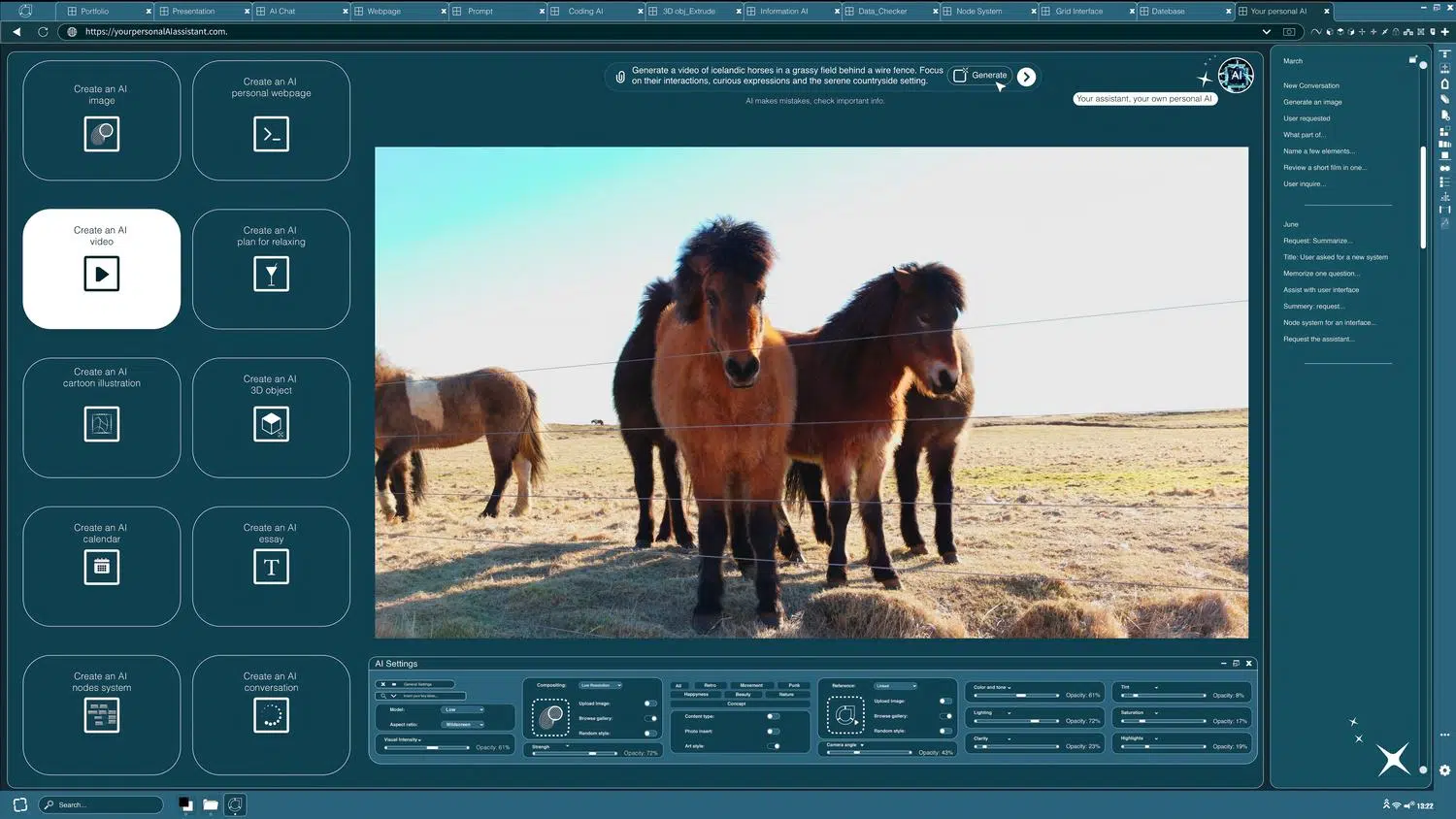
Have you ever stared at an old photograph or a spectacular landscape, thinking it would be amazing to see it come to life? Well, these days you no longer need to be a visual effects expert or spend hours editing in complex programs, because artificial intelligence has arrived to revolutionize the way we interact with our static images.
The ability to transform a boring portrait into a dynamic, eye-catching video is now accessible to everyone. Whether you're looking to give your brand a professional touch or simply want to wow your social media followers , today's tools allow you to create natural, cinematic-looking movements in a matter of seconds.
How to turn your photos into stunning videos
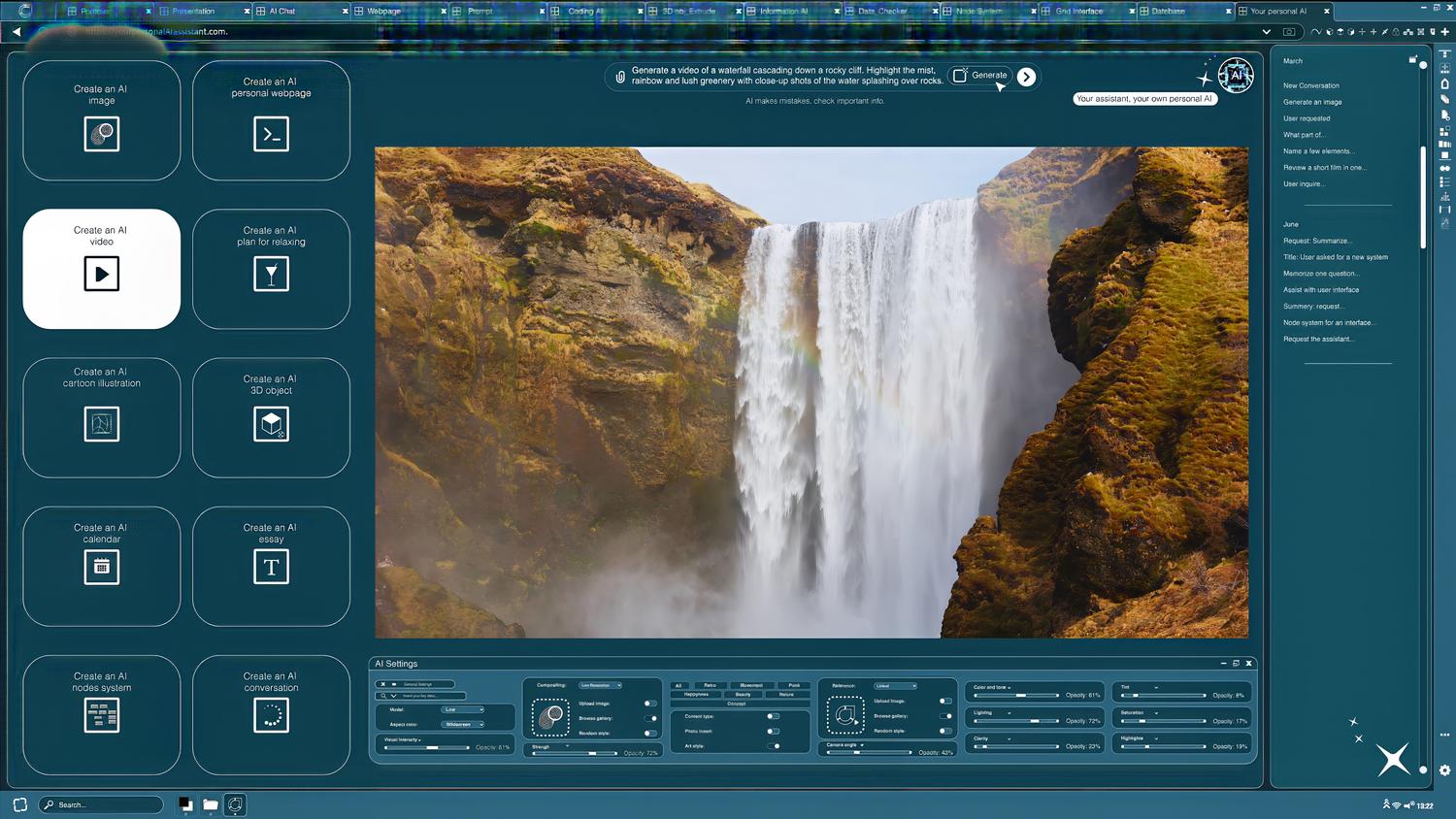
The process for creating these animations is surprisingly simple and requires no prior technical knowledge. To begin, the first step is to upload the image file you wish to transform; it's compatible with the most common formats on the market, such as JPG, JPEG, and PNG. Once the file is uploaded, simply write a short instruction or use a descriptive prompt to tell the AI what type of movement you want.
After clicking the generate button, the system processes the information and automatically creates the video. Best of all, the result can be downloaded and embedded on any platform instantly, and in many cases, without annoying watermarks that ruin the content's appearance.
Advanced features to boost your creativity
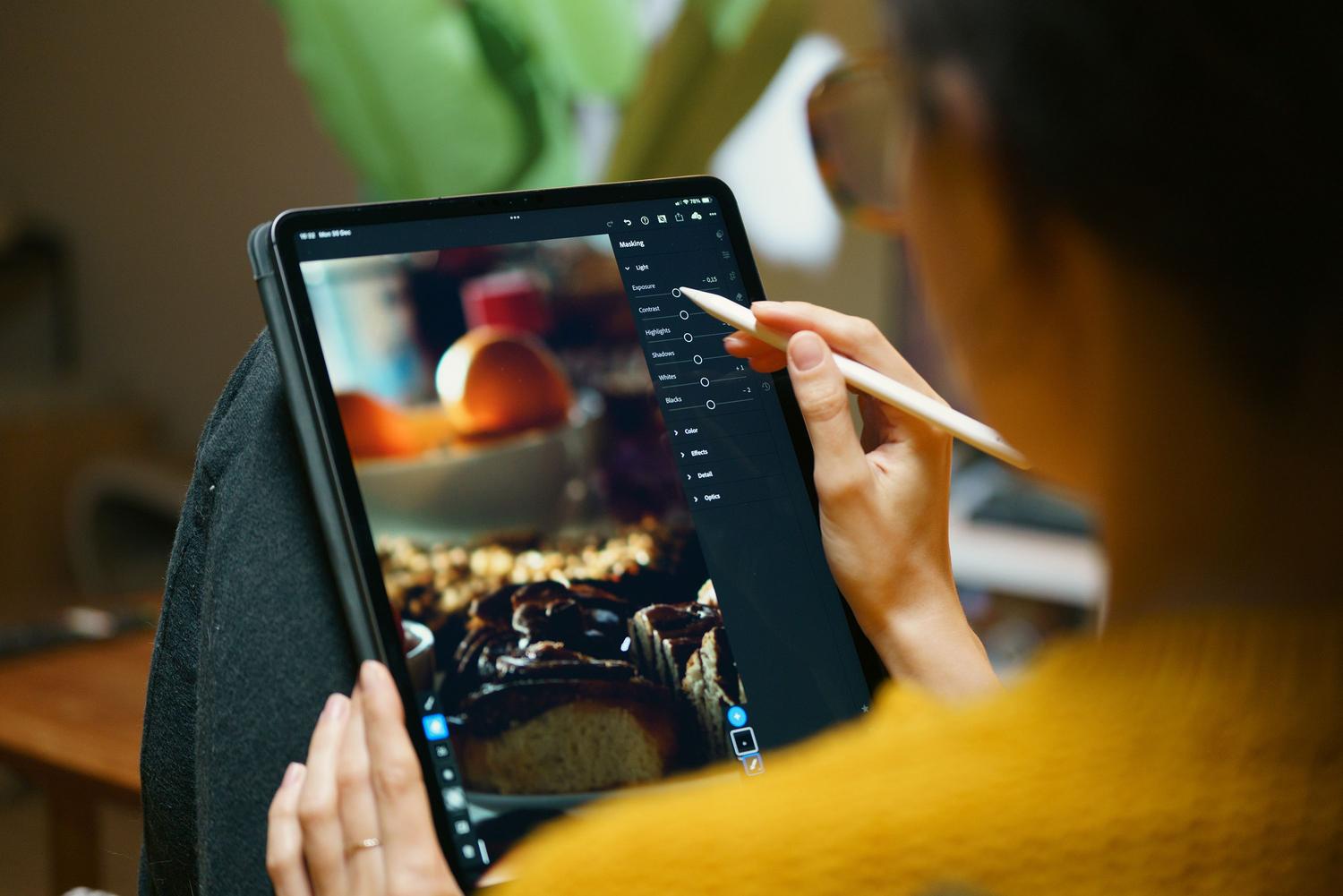
Beyond simple animation, these platforms offer a range of tools that allow complete control over the image. You can choose from predefined animation templates that include popular gestures like waving or cheering, as well as dynamic zoom effects that add professional depth. If you prefer to start from scratch, you can generate images using text or modify specific elements of a photo by adding or removing objects using sketches.
For those seeking a specific visual style, there's the option to restyle images using pre-optimized style libraries. Furthermore, AI can analyze the content of a photograph to answer questions about it or even integrate legible text and graphics , making it ideal for designing posters or digital invitations.
Technical specifications and optimization
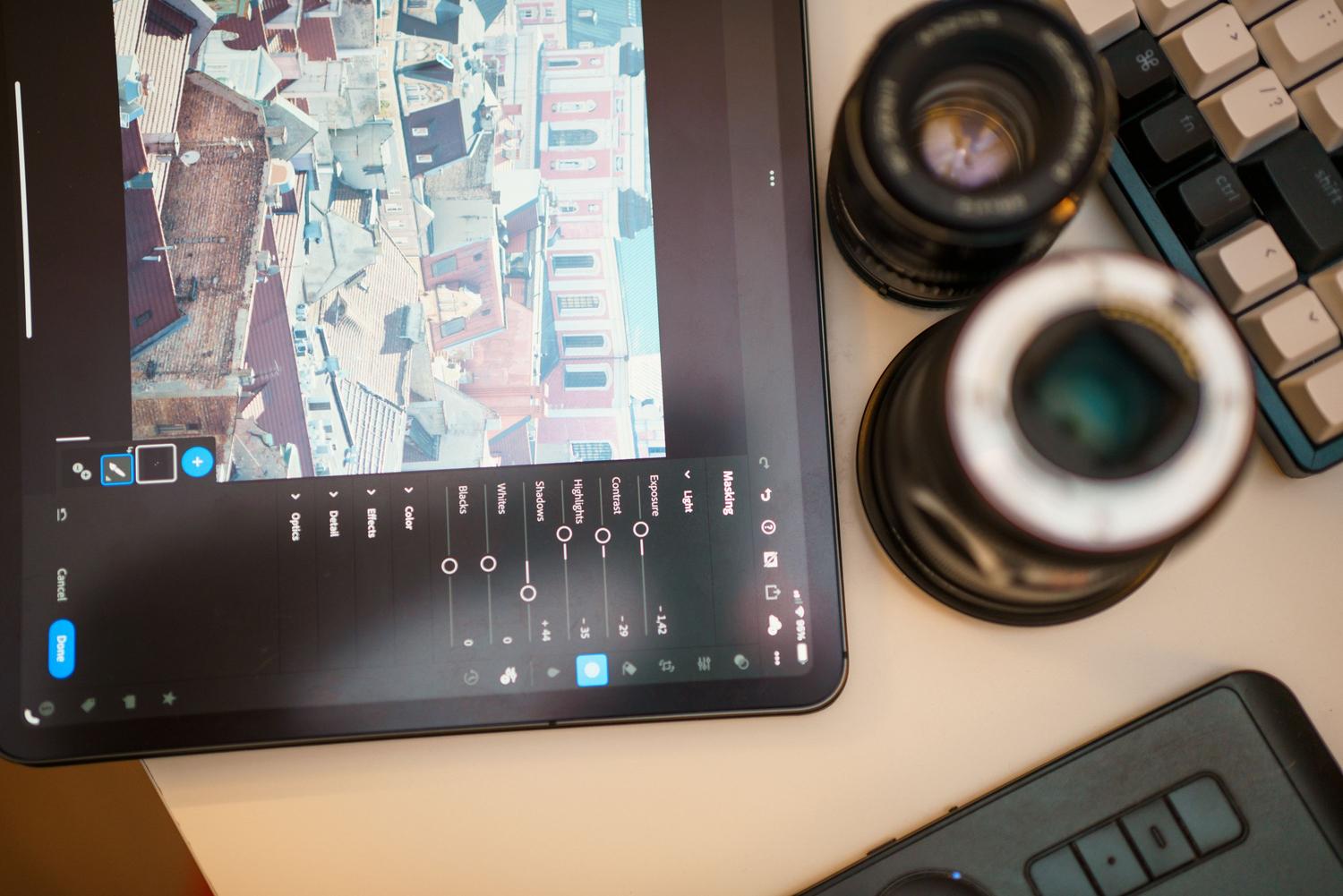
For flawless results, it's essential to adhere to certain technical limitations. Generally, file sizes shouldn't exceed 10MB , and a maximum resolution of 2048x2048 pixels is recommended. Regarding the output format, the current standard is MP4 , although the industry is moving towards integrating lighter formats like GIF.
It's important to mention that, to achieve the highest quality, especially when animating anime drawings or complex illustrations, it's ideal to use high-resolution original images . This allows the AI to better identify contours and apply motion effects that feel organic and fluid.
Practical applications and benefits of animated content
The use of moving images is not just an aesthetic choice; it has a direct impact on content performance. In the marketing field, these images are key to improving brand recognition and capturing the user's attention in an information-saturated environment, encouraging the viewer to pause and look at the post.
These tools are especially useful in sectors like product presentation , where a static photo becomes a dynamic demonstration that highlights the item's details. They also allow for the transmission of much deeper emotions and narratives, making communication more human and personal. Regarding cost, many of these platforms operate with a system of free credits after registration, allowing users to try the technology before committing to a plan.
The ability to bring an image to life, whether through automated natural effects or by creating scenes from scratch, represents a significant leap forward in digital content production. Thanks to server optimization, wait times are minimal, allowing anyone to go from a static idea to a viral video in just a few minutes, boosting interaction and the visual appeal of any project.