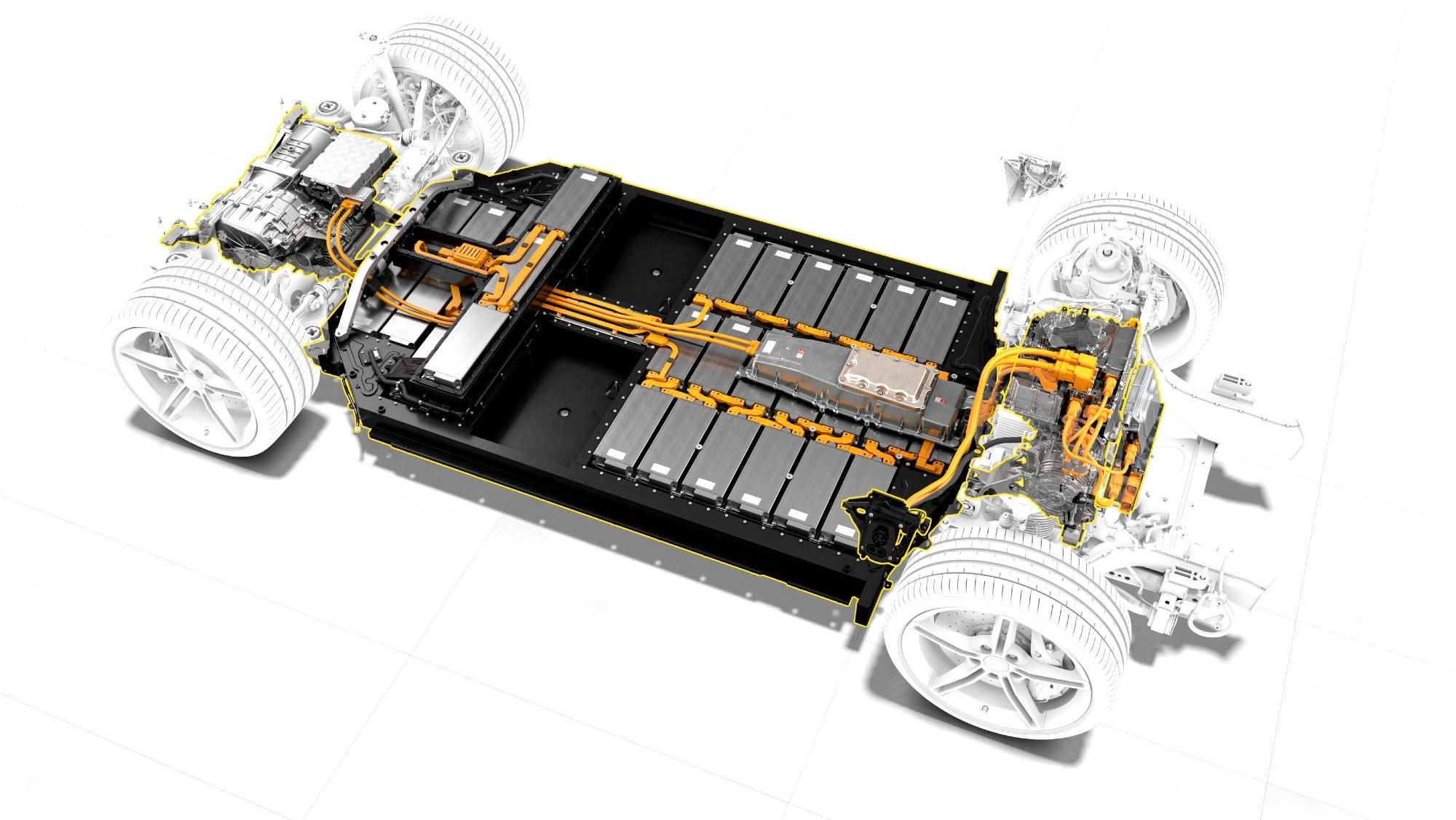
- The cost of a car battery generally ranges between €5.000 and €15.000 and depends on capacity, chemistry and brand.
- LFPs are cheaper per kWh than NMCs; the global fall in kWh is accelerating due to scale and new architectures.
- Modular repair and refurbished batteries are cheaper than a complete replacement; 8-10 year warranties protect the user.
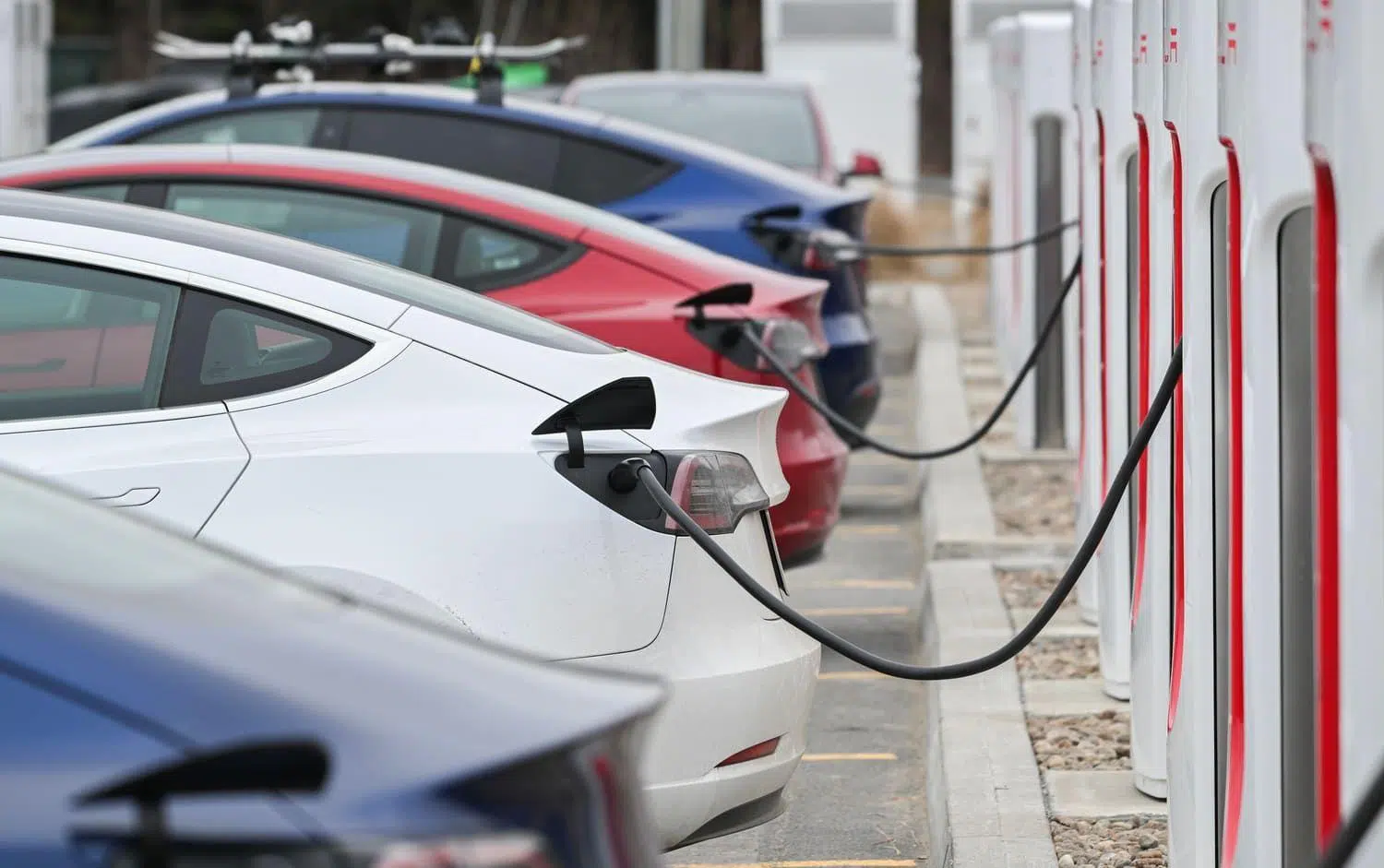
Electric cars have gone from being a curiosity to becoming a real option for everyday life, and with them has come an inevitable question: How much does the battery cost and what does its replacement entail? The battery is the heart of the vehicle; it determines the range, weight, performance, and, yes, also a good part of the final price of the car.
To clear up any doubts, here you will find a complete guide, with real figures and practical cases drawn from various specialized sources. We'll discuss current price ranges, costs per kWh, differences between technologies like LFP and NMC, typical warranties, and the clear downward trend. which is being recorded in the market, with sharper declines in China than in Europe or the United States.
What is the actual price of an electric car battery?
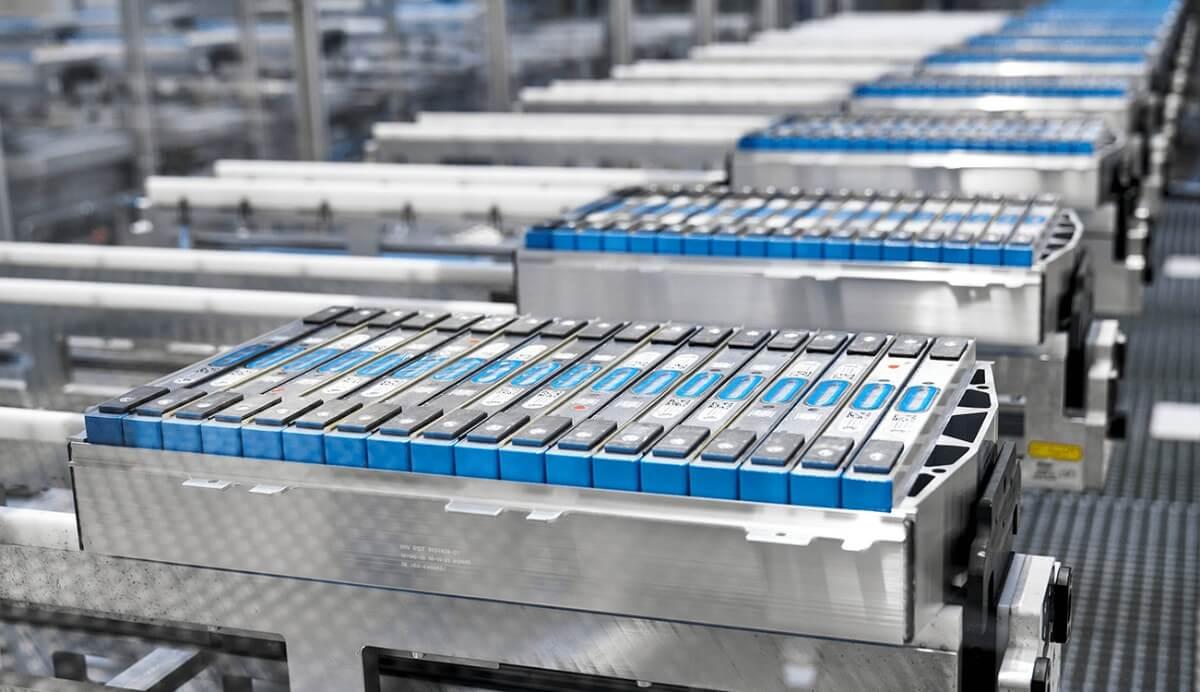
The cost of a battery varies depending on the brand, model, capacity, and technology. Generally speaking, A battery pack for an electric car typically costs between 5.000 and 15.000 euros, with figures that can exceed 20.000 euros in high-end vehicles or those with large capacities.
The key parameter is the battery size measured in kWh. More kWh means greater range but also higher costIn the passenger car market, typical energy packs range from 30 to 100 kWh, with an average price historically around €100-200/kWh, although this price is decreasing as the industry gains scale and optimizes production.
There are specific references to get an idea: A 60 kWh battery in a popular electric SUV can cost over 11.000 eurosWhile for compact cars with 50-60 kWh batteries, replacement prices typically range between €6.300 and €11.340. At the higher end, an electric minivan with an 87 kWh battery can cost around €25.000 to replace.
According to various sources, different models indicate that A battery replacement in a Nissan Leaf can cost approximately 5.500-8.700 euros (excluding labor), while for Tesla (Model 3, S, X, Y) the price range in Spain is between €9.400 and €23.500 depending on the version and age. There are specific estimates for the Volkswagen ID. oe-Golf that suggest up to 20.000 euros in cases of total replacement, generally a minority.
There are also extremes at the lower end. In microcars for urban use like the Citroën Ami, Changing the package can cost around 700 euros due to its small battery (approx. 5,5 kWh) and its simple urban mobility approach. In the more conventional electric city car segment, there are cases like the Honda e where the Replacement costs around 3.500 euros and it is frequently covered by warranty, depending on the specific circumstances.
Factors that increase or decrease the price
Capacity and autonomy. The relationship is direct: More kWh means more expensive packagesIf you compare a car with a 100 kWh battery to one with a 50 kWh battery, the former can cost twice as much as the latter simply because of the size of the battery pack.
Cell technology. Battery chemistry makes all the difference. Lithium iron phosphate (LFP) batteries typically cost around 30% less per kWh than nickel-manganese cobalt (NMC) batteries.In return, LFP energy density is lower (approximately 20% less in Wh/kg and 33% less in Wh/L), although they allow daily 100% charging with less impact on degradation; NMC batteries are usually limited to 80% to protect their lifespan.
Brand and architecture. Each manufacturer implements its own integration, BMS (building management system), cooling, and structural reinforcements. Customization, spare parts availability, and package complexity These factors influence the final budget. For premium brands, the price tends to be above average.
Warranty and lifespan. The usual market coverage is 8 years or between 150.000 and 200.000 km (with variants such as 8 years/160.000 km). typically guaranteeing 70% capacity at the end of the periodIn terms of durability, references are made for up to 3.000 complete cycles and capacity losses of approximately 8% at 150.000 km, always affected by use, climate and maintenance.
Market and region. The evolution of the kWh price is not homogeneous. In 2024, declines of 10-15% were observed in Europe and the US, and close to 30% in China.This is consolidating a structural competitive advantage for Chinese suppliers in cells and packs.
Replace or repair: how much does it cost and what options are available?
Complete replacement. Replacing the entire battery is not the most common procedure (they usually last for many years), but when it is done due to an accident, serious failure, or significant degradation, Replacement costs generally range between 6.000 and 20.000 euros in passenger cars, with higher peaks in premium vehicles and unique cases.
Modular repair. It is becoming increasingly common to repair only the defective modules instead of replacing the entire pack. Specialized firms report that, on average, it is enough to act on just over one module per battery to recover up to 90% of performanceThis option drastically reduces the cost compared to a complete replacement.
Refurbished and second-hand. There is a market for used or refurbished packs. with approximate prices between 1.000 and 3.000 eurosIn return, the guarantee and predictability of the state may be lower, so it is advisable to check the provider and the coverage conditions.
Hybrids and differences. In conventional (non-plug-in) hybrids, the packages are much smaller and, therefore, the total costs are significantly lower. A battery replacement in a hybrid vehicle typically costs between 1.000 and 6.000 euros.and often it's enough to replace modules. There are real-world examples in popular models where the cost is around €3.000. In PHEVs (plug-in hybrids), however, the cost per kWh is high and, paradoxically, A 20 kWh battery pack can cost similarly to a 65 kWh pack in a BEV. due to issues of scale and integration.
Labor and financing. The price estimates per kWh that you will see below are usually Do not include labor costsInstallation, diagnostics, and calibrations are included in the total; see the electric car maintenance cost To see key items. Interest-free repair financing services, offered by intermediaries that collaborate with workshops and dealerships, are gaining popularity as an alternative for spreading the cost.
kWh trends: accelerated decline and new technologies
The macroeconomic figures paint a favorable picture. Recent reports indicate that the The average global price of kWh fell from $153/kWh (2022) to $149/kWh (2023)With forecasts of $111/kWh by the end of next year and around $80/kWh in the medium term. If this holds true, manufacturing an average electric car could be comparable in cost to a combustion engine car in markets like the US, even before subsidies.
Another independent reference to the 2030 horizon suggests that the cost of the cell could be between 32 and 64 $/kWhThis, when applied to a 90-100 kWh package, would result in material costs (excluding labor) significantly lower than current figures. The practical application: The fear of a "prohibitively expensive" replacement would lose its weight with each new structural decrease in the kWh.
What is driving prices down? On the one hand, innovation: Increased energy density with larger cells and architectures that eliminate modules (Cell-to-Pack) to make better use of volume and reduce parts and complexity. On the other hand, a significant drop in the cost of metals such as lithium and cobalt, which represent a large part of the pack's cost.
In the technological picture, the market continues to be dominated by lithium chemists. NMCs account for around 60% of the market shareLFPs account for around 35%, and sodium batteries are tentatively emerging with strong potential for future cost reductions. Solid-state batteries are advancing, but No significant volume is expected until the end of the decade.
The decline is not symmetrical across regions. China leads in scale, integration and costs (both in passenger cars and, especially, in heavy vehicles), while Europe and the United States are maintaining more moderate rates of decline for now.
BEV vs PHEV and the case of trucks
The cost per kWh for PHEVs tends to be considerably higher. Why? Scale, integration, and cell type They have a greater weight in smaller packages. The BMS or other common elements represent a larger portion of the cost in smaller packages; plug-in hybrids must coexist with the combustion engine (less space and more complexity), and often require high-power cells for good electrical performance, which penalizes density and increases cost.
In commercial vehicles, the situation changes. In China, enormous capacity and standardization have allowed them to Truck batteries may even be cheaper per kWh than passenger car batteriesIn Europe and the US, still emerging markets, the kWh in trucks costs more than double what it does in China.
Chemistry also sets the standard by segment. In the Chinese ecosystem, LFP is the queen in terms of cost and robustnessIn Europe and the US, NMCs still carry weight due to their energy density, although the difference is narrowing and LFPs are gaining ground where cost takes precedence over compactness.
Guarantees, lifespan and care that make the difference
Guarantees. Most commonly, the manufacturer will offer 8-10 years of coverage or a mileage of around 150.000-200.000 kmMany brands claim that, at the end of that period, the pack will retain at least 70% of its capacity, so in real use premature replacement is not frequent.
Durability and degradation. Under normal conditions of use, It is not recommended to completely drain the battery nor should it be left at 100% for extended periods (with the exceptions of LFP). Degradation depends on climate, charging habits, driving style, and maintenance. Indicative figures such as 3.000 cycles and losses of around 8% at 150.000 kmHowever, each vehicle and use is unique.
Preventive maintenance. It is advisable to follow the inspections and interventions indicated by the manufacturer, such as replace the coolant in the battery circuit (e.g., from 170.000 km and then every 120.000 km; the exact interval depends on the model). Optimal thermal management helps to extend service life.
Driving and charging habits. Opt for ECO modes. smooth accelerations and take advantage of regenerative braking It boosts efficiency. On the road, anticipating braking and letting the car coast improves range and protects the battery. Avoiding extreme temperatures and sudden charging/discharging also helps.
Safety and professionals. High-voltage batteries are not something to be improvised. Any repairs or interventions must be carried out by specialists.with their equipment and protocols. Trying to "mess with" a package without knowledge is dangerous.
Examples by brand and battery size
To have some grounded references, cross-referencing industry estimates shows that a compact car with a 50-60 kWh battery pack A complete replacement can cost between ~€6.300 and ~€11.340. A mid-size SUV with ~60 kWh can exceed €11.000. In a minivan with ~87 kWh, The replacement could cost close to 25.000 euros.
Among specific brands, there are repeated ranges in different sources: Nissan Leaf 5.500-8.700 euros (excluding labor), Tesla Model 3/S/X/Y between 9.400 and 23.500 euros depending on the case, and Volkswagen ID oe-Golf with specific estimates of up to 20.000 euros when the replacement is comprehensive and under less common conditions.
At the affordable ends, The Citroën Ami costs around 700 euros battery cost due to its basic mobility approach, while in an urban car like the Honda e there are figures of around 3.500 euros, often covered by warranty if applicable.
As a reminder, many manufacturers offer battery rental programsWith monthly fees and included coverage, this saves the user the cost of a future replacement. It's a less common option today, but useful in certain use cases.
Beyond the total change, the pathways of Modular repair and refurbished packs They have been gaining prominence in containing costs, especially in vehicles out of warranty or with tight budgets.
Micromobility and other electric vehicles: indicative lithium prices
Although they are not car battery packs, the catalogs of lithium batteries for bicycles, scooters, wheelchairs, golf carts and portable equipment They help to understand how the cost varies with the format, voltage, and chemistry. They serve as a reference for comparing the price per Wh in smaller systems.
Batteries are seen in the leisure and portable segment. Li-ion 12 V with 3-6 Ah For motorcycles or other light uses, prices are under €100-€220, depending on the model and capacity. LiFePO4 packs are available for power applications, light marine use, or assisted mobility. They can range between ~120 and ~1.600 euros by increasing voltages and amperages (e.g., 12,8 V/15-24 Ah or 24 V/84-110 Ah).
In solutions for golf carts or buggies, 36V kits with high amperages appear where a 36V, 105Ah LiFePO4 pack It can cost around 3.700-3.800 euros. There are also 24V power kits with integrated inverters for between ~270 and ~330 euros, depending on the specifications and BMS.
E-bike batteries showcase the diversity of the market: 36-48V models with 10-17 Ah They can range from approximately €400 to €820, depending on the chemistry, format, and manufacturer. In electric scooters, 36V/20-30Ah battery packs are common, ranging from €480 to €730, again depending on the cells and BMS.
They are also marketed for DIY projects or professional maintenance. prismatic and cylindrical LiFePO4 cells and Li-ion, with unit prices from a few euros for small formats (e.g., 26650/26700) up to around 100-120 euros for 3,2 V, 100 Ah prismatic cells, a useful reference for estimating the cost of material in custom assemblies.
Insurance policies, coverage, and procedures worth reviewing
Insurance policies for electric vehicles in Spain usually include specific battery coverageespecially in the event of theft or damage. It's important to carefully review the coverage provided by your insurance policy and how it interacts with the manufacturer's warranty in cases of failure, damage, or accident.
If the battery still under warranty If a covered fault is diagnosed, the owner typically doesn't have to pay for the replacement or repair. When the coverage has expired, it's worth getting comparative quotes and considering options like modular repair or refurbishment.
Privacy and marketing on spare parts and service websites
When you research or request a quote online, you'll notice that many websites use pixels and analytics/marketing cookies to measure conversions and personalize ads. Platforms such as Meta (Facebook/Instagram) and Google (Ads Manager, Campaign Manager, DV360, SA360, Conversion Linker, Google Signals or Studio) are widely used in the industry.
This treatment is usually pseudonym and geared towards segmenting audiences and avoiding duplication in campaigns. Generally, the data does not directly identify the user personally to the site publisher, although advertising providers do process it according to their policies. You can always manage your privacy preferences from the cookie notice and your account.
It's clear that battery costs are no longer an insurmountable barrier: Today, a typical replacement part in passenger cars ranges between 5.000 and 15.000 euros, with some specific cases exceeding 20.000 euros. and cheaper options in city cars or microcars. At the same time, the price per kWh is decreasing thanks to economies of scale, chemistries like LFP, and innovations like Cell-to-Pack. Between 8-10 year warranties, modular repair, refurbished batteries, and insurance coverage, maintaining an electric vehicle is becoming increasingly affordable, and everything indicates that the cost per kWh will continue to fall, further reducing battery concerns in the medium term.