
The arrival of the digital age has not been a simple change of tools, but a genuine upheaval that has shaken the foundations of our coexistence. Aspects we took for granted, such as private property or inheritance , now face a scenario where assets cannot be touched, yet have immense economic value, forcing the law to evolve in order not to be left behind.
The problem is that the current legal system is trying to adapt to a reality where the use of binary signals defines what we own. It's not just about technology, but about how we interpret the law so that justice is truly served in a world where buying an e-book shouldn't be fundamentally different from buying a physical one.

The dilemma of digital purchasing versus licensing

Many people think that when they pay for a song or a video game, they own it, but the reality is that we're often just renting a license. While in the physical world there's a concept of copyright expiry (if you buy a book, you can sell it), in the digital environment, companies usually impose licenses that bind us, similar to what happens in the complete guide on freeware and shareware regarding software use.
However, there is a legal school of thought that defends functional and economic equivalence . This means that if a transaction is presented as a sale, the user should have the right to dispose of that digital copy, being able to inherit or sell it, thus avoiding what some call digital feudalism where the consumer doesn't actually own anything.
Digital heritage and the legacy of bits

If we add up all those microtransactions and acquisitions we make daily, we end up building a digital fortune . This collection of assets, ranging from music collections to cryptocurrencies, is an integral part of a person's wealth, even though it's encoded on an invisible medium.

- Assets with economic value: This includes eBooks, software, virtual currencies like Bitcoin, and objects in persistent worlds.
- Intimacy assets: Social media profiles, emails, and private chats, which require special protection.
To manage this, the concept of digital testamentary dispositions has emerged . It's not that there's a separate will, but rather that the single will must include how we want our digital data and assets managed after our death, ensuring that heirs have access to what is valuable and that the deceased's privacy is respected.
NFTs and Blockchain: The new title deed
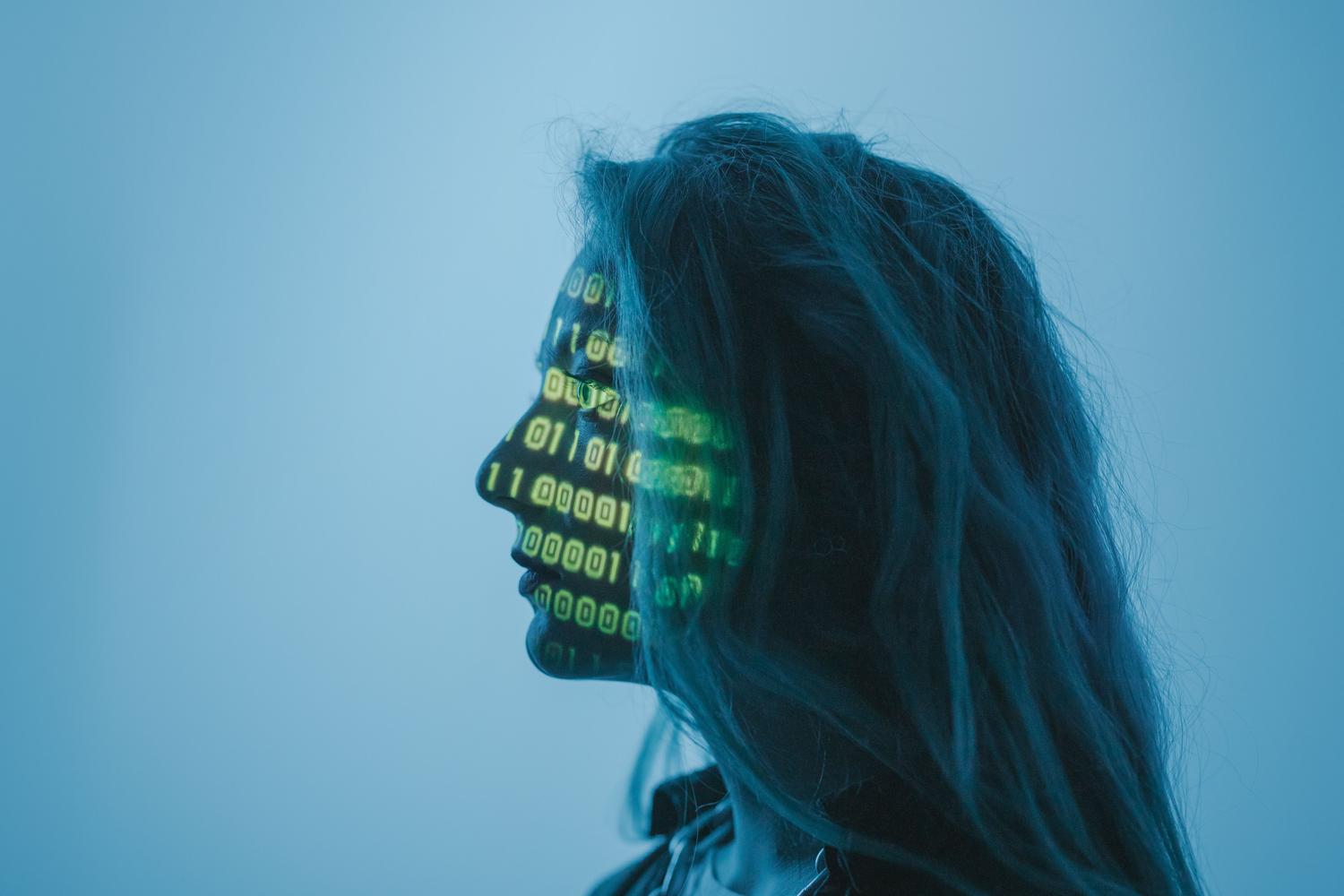
This is where blockchain technology comes in. An NFT, or non-fungible token, essentially acts as a digital title deed that is impossible to counterfeit. Unlike a file that can be copied a thousand times, an NFT proves that you own the original, unique unit of an asset.
The most amazing thing is that these tokens aren't just for digital art or internet cartoons; they can represent ownership of tangible assets . There have already been cases where the sale of a company that owns real estate has been done using a token, streamlining the transaction and eliminating the cumbersome bureaucracy of traditional registries.
Consumer protection and the "Digital Castaway"

One of the biggest problems is the imbalance in contracts. We often accept terms written in impenetrable technical language. To combat this, the Contracting Triangle 3.0 is proposed , based on transparency, balance, and granular consent—that is, the ability to accept some clauses and reject others.

This is vital to avoid the phenomenon of digital castaways . This happens when a platform changes its terms and, if you don't accept the entire package, you're kicked off the service and lose access to content you've already paid for. It's an abusive situation that violates intellectual property rights and requires stricter regulation based on interoperability and technological neutrality.
Towards a modernization of the legal framework
The law always lags behind technology, but it is urgent that regulations, such as EU directives on digital content, be updated. The goal is to eliminate discrimination between physical and digital media , guaranteeing that consumers have the same basic rights regardless of the format.
The possibility of converting property registries into decentralized digital platforms would reduce costs and waiting times, allowing the transfer of a car or house to be as fast as that of a digital asset, while always maintaining the security and traceability offered by cryptography.
Integrating binary assets into the overall concept of wealth allows the law to protect digital property with the same force as real estate, ensuring that the user is not merely a tenant of their own tastes and that technology serves to simplify commercial transactions without leaving the weakest link in the chain unprotected.
