- A variety of solutions ranging from traditional mechanical locks to high-tech CAN-Bus digital immobilizers.
- Importance of combining preventive, deterrent and active recovery methods using GPS trackers.
- Specialized protection for critical components such as the OBD port, the catalytic converter, and the keyless key signal.

Owning a car these days means being vigilant, as vehicle theft in Spain remains a serious problem, with a daily average that would frighten anyone. It doesn't matter if you have a high-end car or a fifteen-year-old classic; thieves are always looking for new ways to break in, so investing in a robust security strategy is essential to avoid unpleasant surprises.
The key to sleeping soundly isn't relying on a single device, but rather creating layers of protection. Ideally, you should combine visual deterrents , which make a thief think twice, with internal locking systems that prevent the car from starting, and of course, tracking tools to recover your vehicle if all else fails. Let's break down all the options available on the market today.
Mechanical and Passive Locking Systems
For those seeking something practical and without electronic complications, physical anti-theft devices remain a very valid option. Steering wheel locks and bars are the most common; they essentially prevent the steering wheel from turning, making it impossible to drive the car. There are simple models and others with anti-drill locks that are much more difficult to break.
If you prefer to restrict movement in the lower area, there are pedal locks , sometimes known as Bullock systems. These devices prevent you from pressing the brake or clutch, and in automatic cars, the accelerator. They are safer than steering wheel locks , although they usually cost a bit more. Handbrake hooks also exist, although they have lost popularity due to the advent of electronic parking brakes.
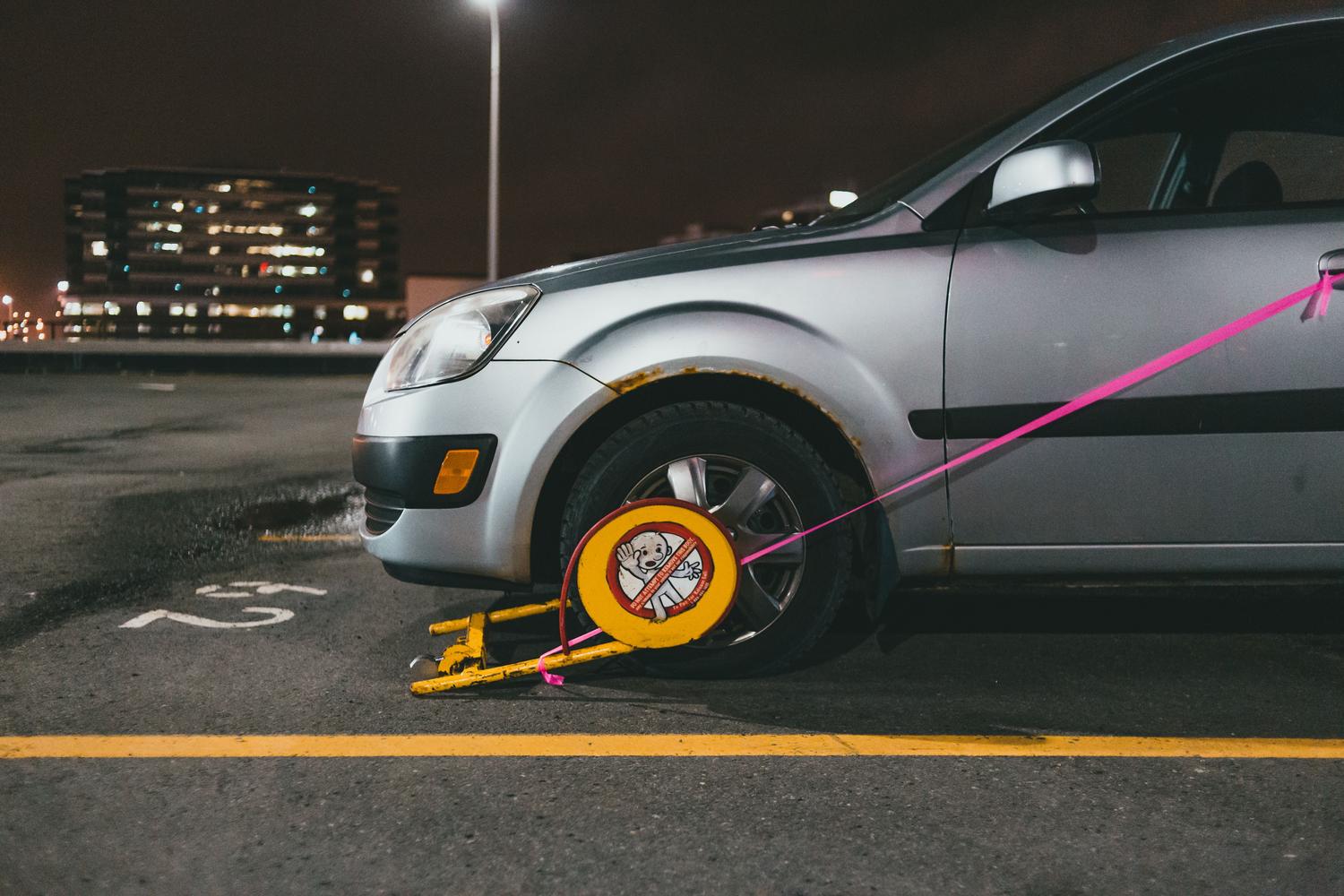
For exterior protection, wheel clamps are the ultimate solution. Although they're more cumbersome to put on and take off, and might get your hands dirty, they're an insurmountable physical obstacle that prevents the car from moving an inch. Just be careful not to forget to put them on before starting the engine, as you could cause serious mechanical damage.
Electronic and Digital Immobilization Technology
This is where we enter the realm of high security. The electronic immobilizer prevents the engine from starting unless the key or a specific remote is recognized. Within this category, hidden kill switches have evolved considerably. They are no longer just a button tucked under the dashboard; now there are invisible touch sensors under the upholstery or wireless relays that only allow the engine to start if they detect a proximity card in the owner's wallet.
In modern vehicles, the weakest link is often the OBD port. Therefore, installing physical or electronic OBD port protectors is vital to prevent thieves from programming new keys in seconds using computers. On the other hand, CAN-Bus digital immobilizers (like the Ghost system) are the crown jewel. These devices are concealed within the original wiring and require a custom PIN code entered by pressing buttons inside the car to unlock the engine, making them completely invisible to scanners.
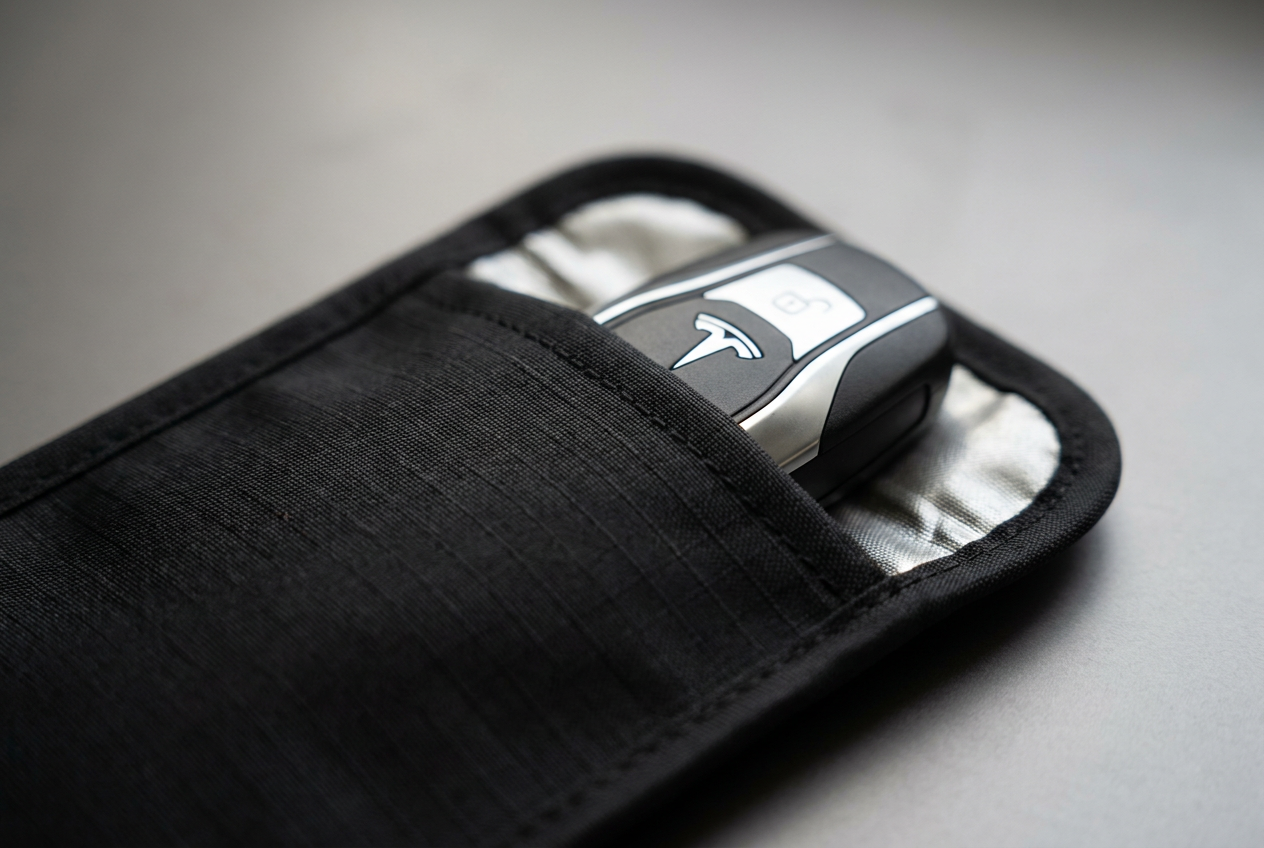
For those with keyless entry systems, the danger lies in what's known as a relay attack , where the signal is cloned from inside the house. The cheapest and most effective solution is the use of Faraday cages or covers , which employ metallic fabrics to block electromagnetic waves and prevent the car from being unlocked remotely.
Location and Active Surveillance
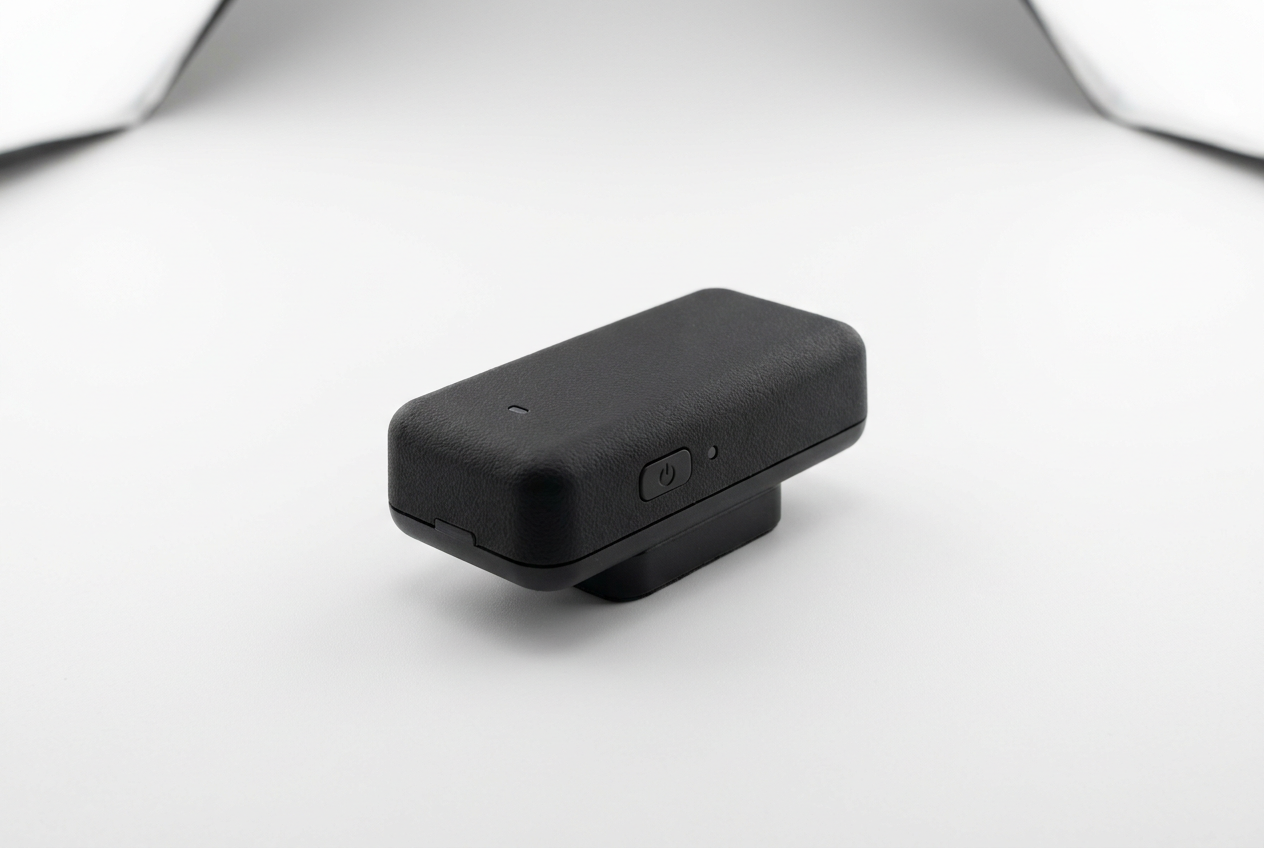
If a thief has managed to steal your car, a GPS tracker is your best ally. These devices allow you to know its location in real time through an app. There are several types: magnetic trackers with their own battery, those that connect directly to the OBD port to provide speed and engine data, and those that use a separate SIM card to operate without relying on the vehicle's power supply.
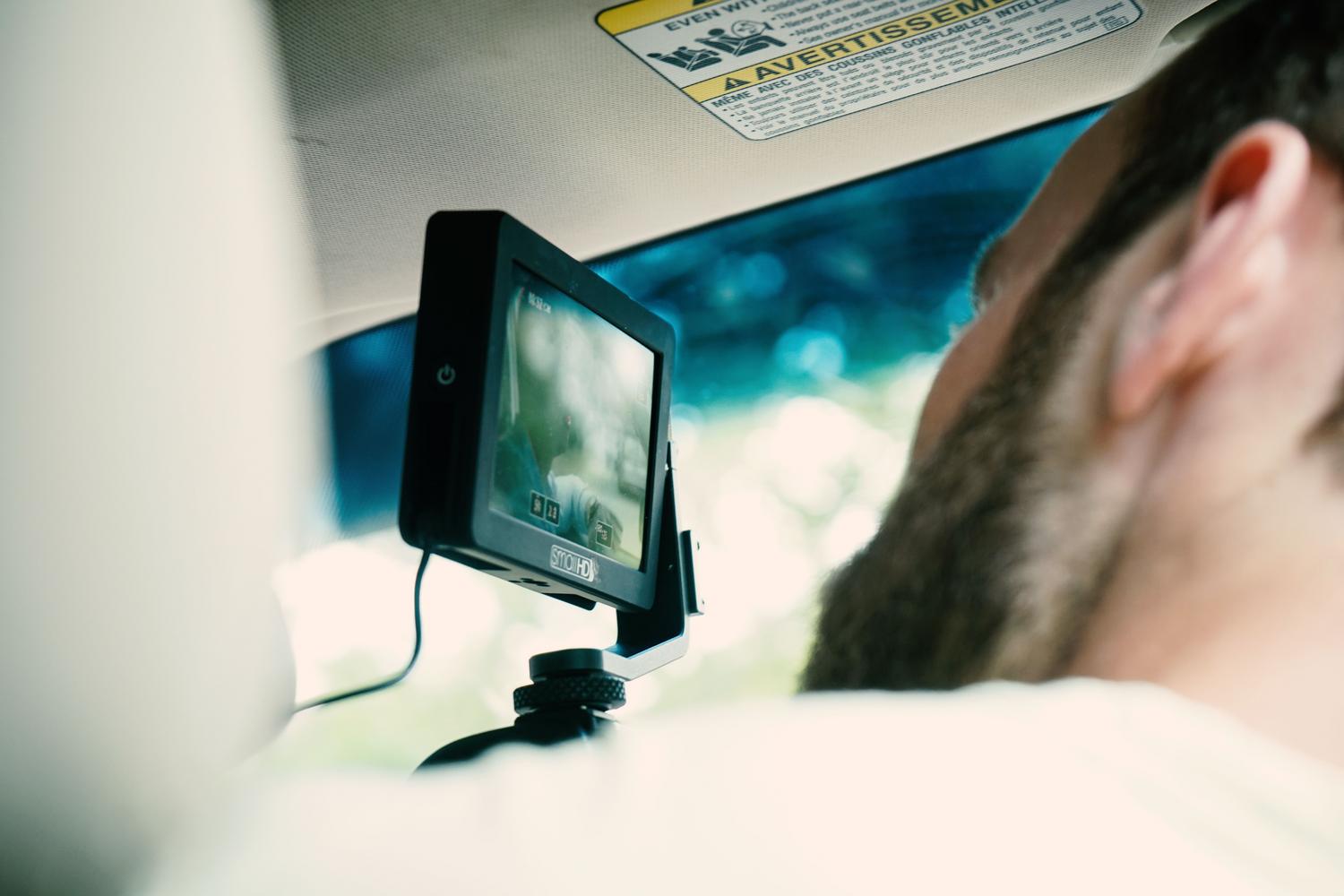
To add an extra layer of security, dashcams are excellent. They not only record accidents but also act as a powerful deterrent; a thief who sees a camera inside the vehicle will likely choose another target. Furthermore, don't forget catalytic converter protection , a highly sought-after part. Installing specific anti-theft plates can save you from a very expensive repair, as stealing this part often damages other chassis components.
Final Considerations and Tips
When choosing, consider the year of your car. If it's a vehicle manufactured before 2010 or without a CAN bus system, there are analog ignition inhibitors like the KVANT system that are very effective. It's always advisable to install any electronic device discreetly so it's not the first thing a thief looks for.
Ultimately, protecting your vehicle requires a budget and risk assessment. From budget-friendly options as low as €20 to complex systems costing hundreds of euros, the key is to create a security ecosystem that combines physical and digital safeguards. The goal is to make stealing your car so difficult and time-consuming that the thief decides it's not worth the effort, thus ensuring your vehicle remains where you left it.