- Automation ranges from simple tasks using RPA to comprehensive business optimization with BPA and AI.
- It allows you to eliminate job burnout by replacing tedious routines with efficient and traceable workflows.
- Successful implementation requires a diagnostic phase, selection of appropriate software, and ongoing team training.
- The integration of technologies such as ML, NLP, and OCR is driving hyperautomation in sectors such as finance and HR.
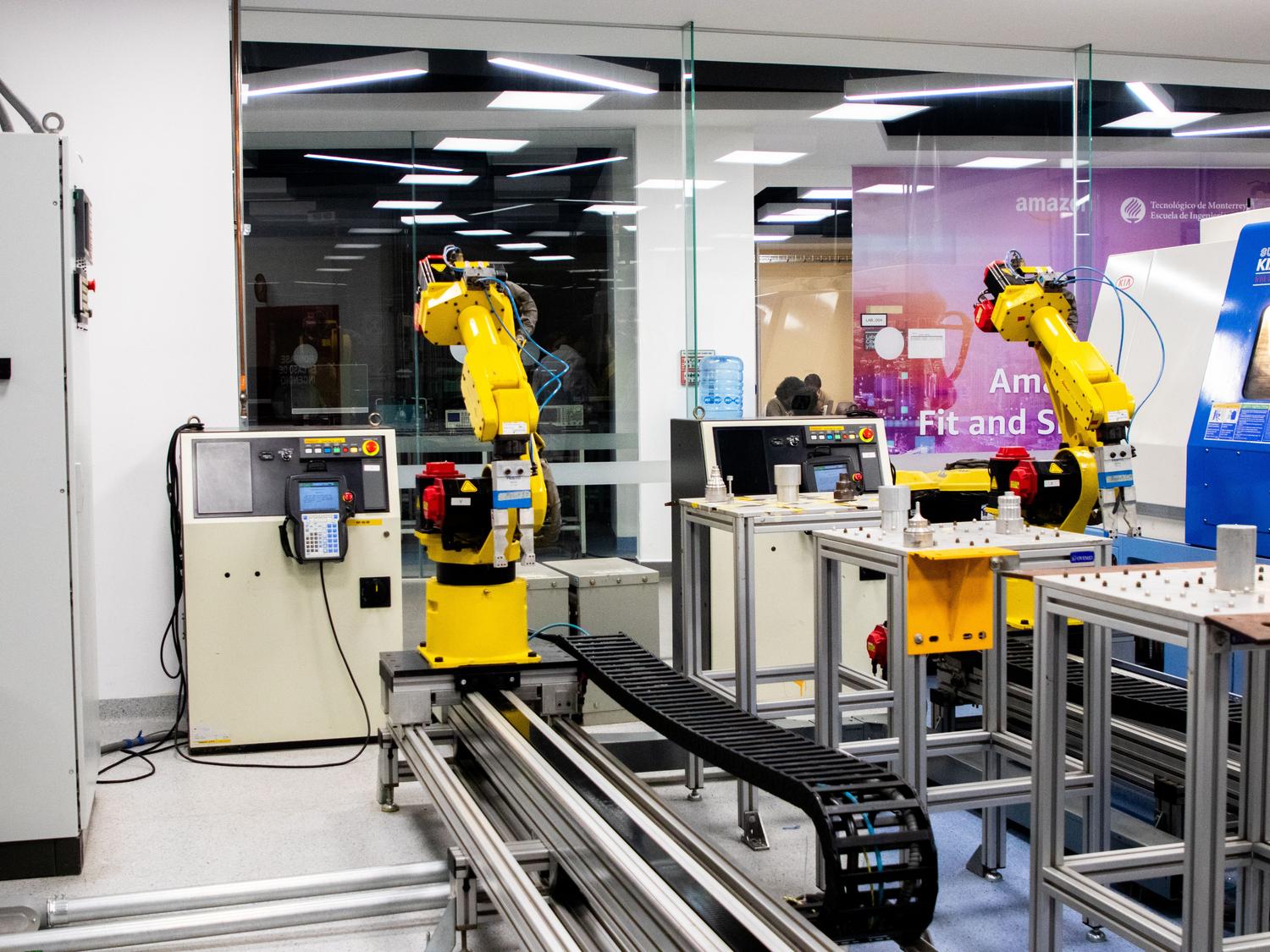
Today, striving for efficiency is not a whim, but a matter of survival. Process automation has become the driving force that allows companies to stop wasting time on non-value-added tasks, using software to practically automate the heavy lifting. It's not just about cutting-edge technology, but a philosophy of resource conservation that, while it may seem modern, has been in humanity's DNA since Roman aqueducts or Ford assembly lines.
Essentially, automation means delegating repetitive and predictable tasks to machines , allowing people to focus on what they do best: thinking, creating, and making strategic decisions. By implementing these solutions, organizations not only shorten timelines and reduce errors, but also dramatically improve employee morale , preventing burnout from monotonous routines that ultimately kill motivation.

Understanding the levels of automation

Not all automation is the same. Depending on what we want to achieve and how much human intervention is needed, there are different technical approaches. It's crucial not to confuse simple digitization (converting a document to PDF) with automation, which is creating an intelligent workflow where that digital document triggers automatic actions.
- BPA (Business Process Automation): It focuses on optimizing entire business processes. It doesn't look at a single task, but at the whole process, coordinating various participants and systems to ensure a smooth and scalable flow.
- RPA (Robotic Process Automation): This is where "bots" come in. They are programs that mimic human behavior on a computer, such as copying data from an invoice and pasting it into an ERP system. They are the ideal solution for tasks based on strict rules where the Human intervention is minimal.
- BPM (Business Process Management): More than just software, it's a management discipline. It focuses on designing, modeling, and improving processes from start to finish, ensuring the company runs like clockwork.
- Smart Automation: This is the next level, where RPA merges with Artificial Intelligence. Here, the system not only obeys, but also... learn from the data and can make pattern-based decisions, adapting to changes in real time.

Technologies that drive business intelligence
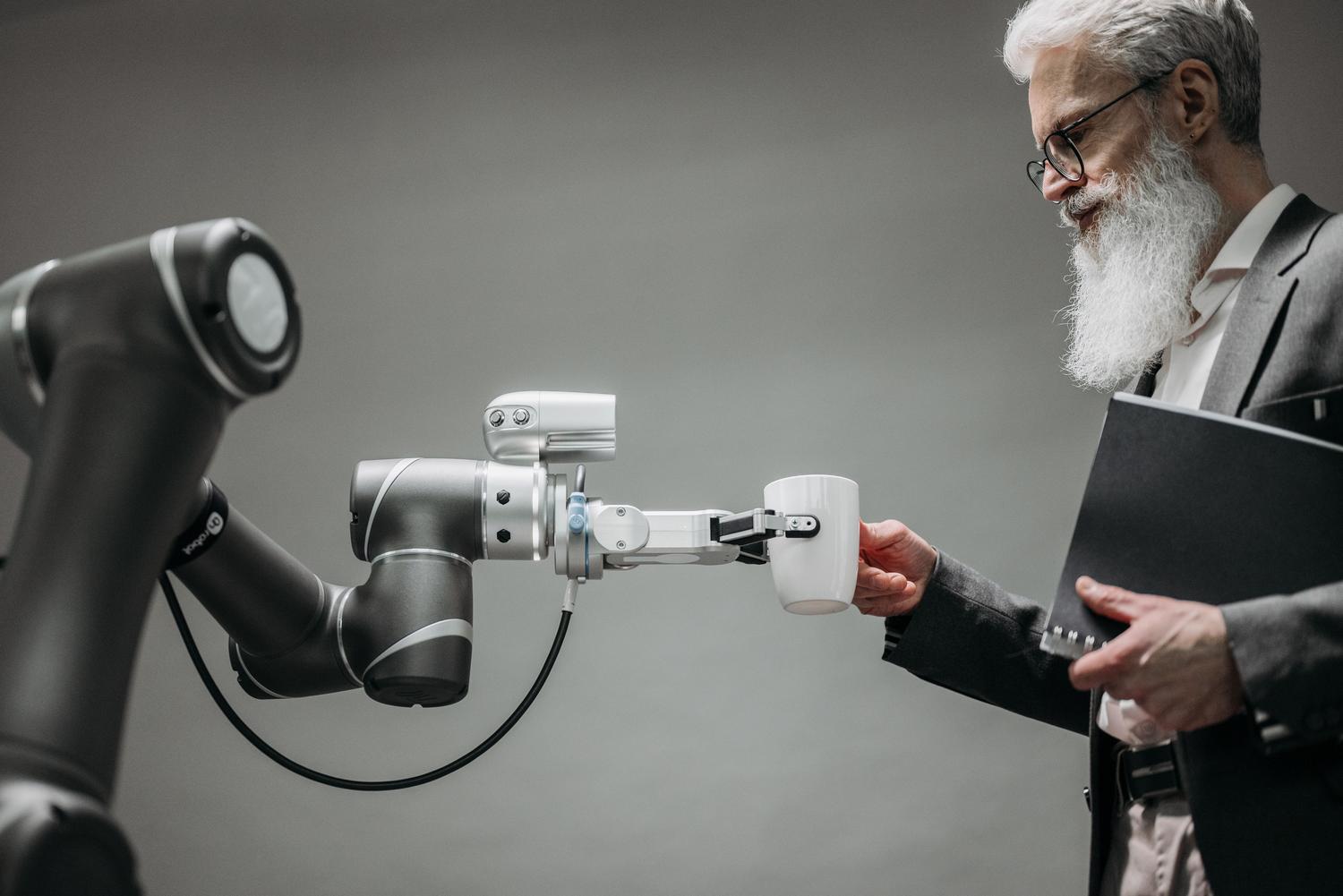
For a process to be truly "intelligent," it relies on an ecosystem of advanced tools that allow machines to interpret the real world . For example, Optical Character Recognition (OCR) is the key that unlocks information locked in images or scanned documents, converting it into editable text.
On the other hand, Natural Language Processing (NLP) allows software to understand human language , analyzing emails or chats to respond to customers naturally. In addition, there is Machine Learning (ML), which uses statistical algorithms to predict outcomes without explicit instructions, and Computer Vision, capable of identifying objects or faces with astonishing accuracy—something vital in industrial quality control or medicine.

Tangible benefits for the company and the employee
Implementing these technologies isn't just about showing off modernity, but about achieving measurable results. One of the biggest impacts is the surge in productivity , as teams stop spending hours on administrative tasks and focus on strategic projects. This directly combats burnout, reducing workplace stress.
From an economic standpoint, substantial cost savings are achieved by eliminating rework caused by human error. Furthermore, the company gains scalability; once the workflow is configured, it can handle twice the workload without needing to hire twice the staff. Likewise, complete traceability allows you to know exactly where a file is located or who approved an invoice, greatly facilitating audits.
How to implement automation in your business

Blindly jumping into automating everything can be a costly mistake. Ideally, you should follow a structured roadmap. First, you need to identify the critical processes : those that are repetitive, high-volume, and time-consuming, such as payroll or invoicing.
Once identified, the next step is to choose the right tool based on the technical profile and budget. There are options for everyone: Zapier is a gem for non-programmers due to its simplicity; Make is ideal for those seeking more logical control; UiPath is the giant of enterprise RPA; Power Automate is the natural choice for those involved in Microsoft's AI strategy for businesses ; and n8n is the favorite alternative for developers who love open source.

It's important to remember that technology is only one part; the human factor is crucial. Training staff and managing their fear of change are essential, explaining that the machine isn't meant to replace them, but rather to free them from monotonous tasks. Finally, monitoring results and making constant adjustments are vital, as automation is a dynamic process that must evolve alongside the company.
Real-world applications by sector
The versatility of these tools allows almost any department to benefit. In Finance , the entire invoice cycle can be automated: from receiving and extracting data to validation and secure archiving in the cloud. In Human Resources , contract management, new employee onboarding, and personnel file management become instant and secure processes.
Regarding customer service , generative AI and chatbots enable 24/7 support, resolving common queries instantly and escalating only complex cases to a human, thus optimizing the modernization of customer service . Even in marketing, content scheduling and automated newsletter distribution allow the brand to maintain a presence without requiring the team to be constantly glued to their screens.
The current trend points toward hyperautomation , which is essentially combining all these tools so that the company functions as an integrated organism. With the advent of generative AI, we are moving from systems that merely execute tasks to systems that create and optimize their own workflows. Integrating cloud-based document management with artificial intelligence will allow most of the administrative burden to become invisible within a few years, freeing up human talent for innovation and empathy.
