- The combination of artificial intelligence and drones enables autonomous, precise, and safe operations in sectors such as energy, agriculture, construction, and public safety.
- Computer vision, machine learning, and 5G connectivity are the foundation of advanced features such as object detection, intelligent navigation, swarms, and massive data analysis.
- Its deployment poses technical, ethical and regulatory challenges that Europe is addressing with new rules, certifications and anti-drone strategies also based on AI.
- The future lies in greater autonomy, widespread BVLOS operations, and deep integration with IoT platforms and defense and infrastructure management systems.
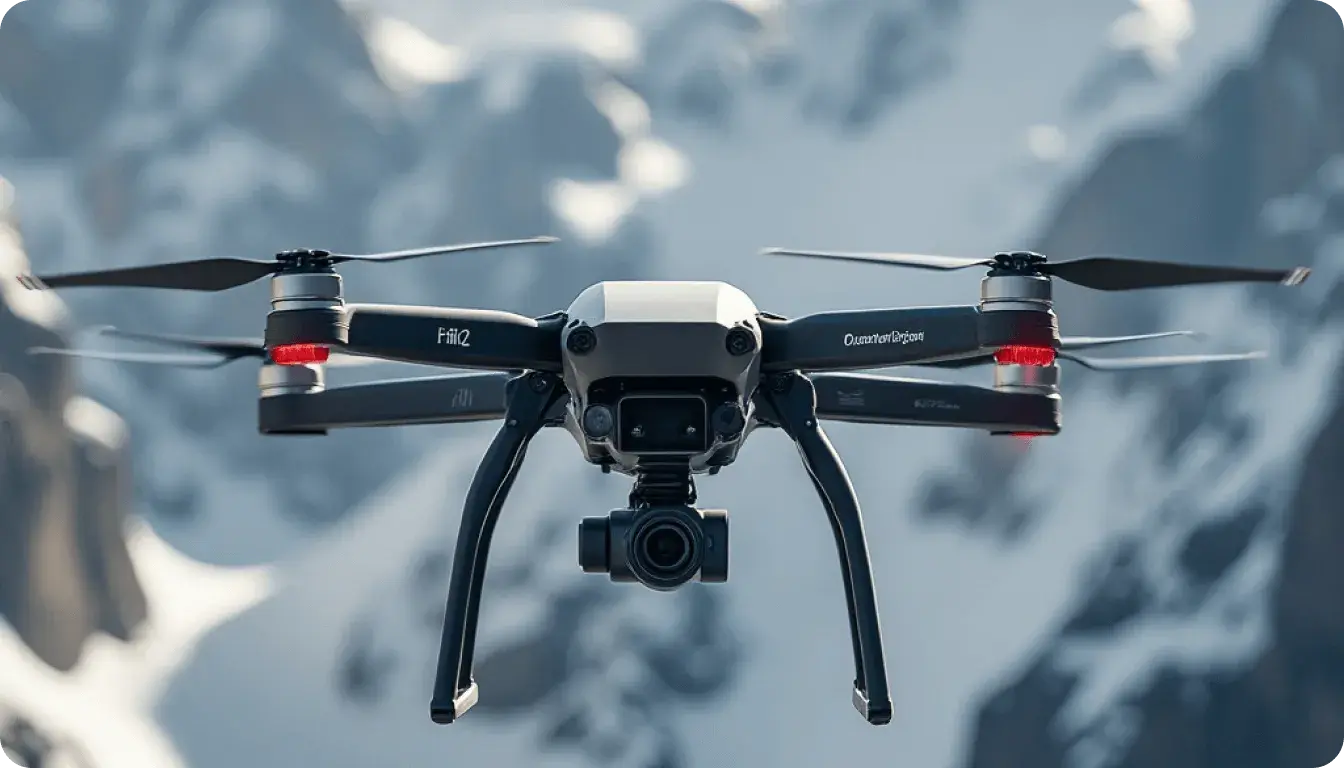
Combining artificial intelligence and drones It is completely changing the way we inspect infrastructure, monitor crops, respond to emergencies, and manage last-mile logistics. What were once simple remotely controlled aircraft are now autonomous platforms capable of understanding their environment, making decisions in milliseconds, and coordinating with other systems thanks to advanced algorithms. IoT connectivity and 5G and increasingly precise sensors.
This paradigm shift not only has a technological impact, but also economic, labor and regulatoryNew business models, specialized professions, legal challenges regarding liability and privacy, and intense ethical debate surrounding military use, drone swarms, and anti-drone systems are emerging. In the following sections, we will calmly break down what AI applied to drones is, its benefits, real-world uses in different sectors, the challenges it poses, and where all this is headed in the coming years.
What is artificial intelligence applied to drones?
When we talk about AI in drones We are referring to the integration of machine learning algorithms, computer vision, and autonomous decision-making systems directly into the aircraft or into cloud platforms connected to it. The drone is no longer limited to receiving orders from the pilot but becomes an agent that interprets data, plans routes, and reacts to unforeseen events.
In practice, these systems allow the drone to be capable of detect objects, recognize patterns in images and videos, avoid obstacles and optimize their trajectories without constant human intervention. This is achieved using deep neural networks trained on millions of examples (for example, photos of power lines, vehicles, crops, or people) and specific computer vision models such as YOLO in its various versions.
In addition to onboard AI, it is becoming increasingly common to combine the drone with simulation platforms and digital twinswhere complex environments are recreated to train algorithms before flying in the real world. Microsoft AirSim is a clear example: it allows the simulation of cities, rural terrain, or industrial scenarios to refine navigation and obstacle detection models without putting equipment or people at risk.
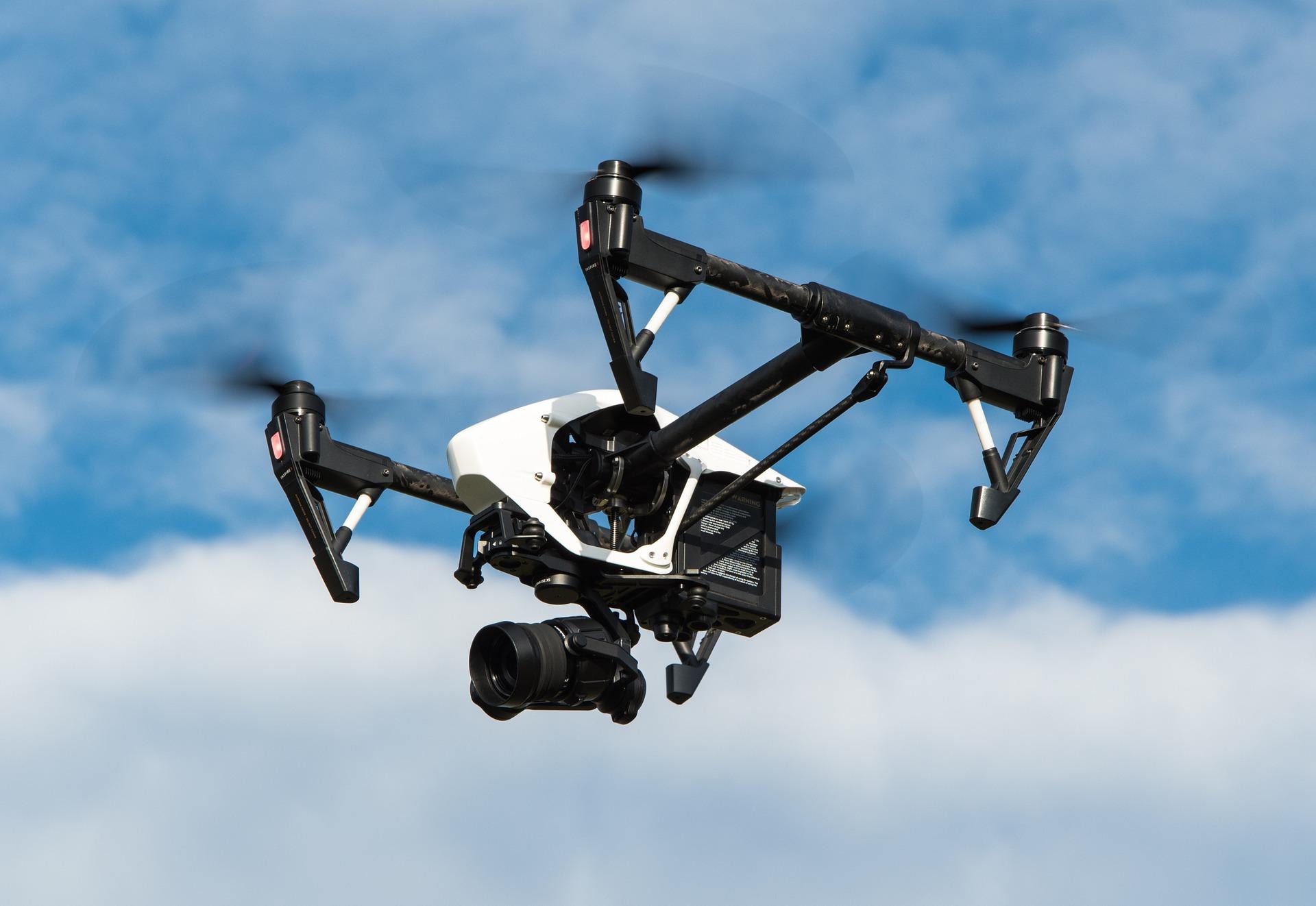
Thanks to this combination of hardware, software, and simulation, drones have gone from being mere flying cameras to smart platforms that interact with their environmentThey map areas, track objectives, collaborate with each other, and integrate with air traffic management systems, IoT platforms, or public safety infrastructure.
Benefits of artificial intelligence in drones
One of the biggest benefits of incorporating AI into drones is the drastic reduction of human error and decision timesWhere previously it was necessary to manually review thousands of images or pilot each flight in first person, now algorithms analyze data in real time and prioritize what is truly important.
This automation translates into significant cost and time savings In sectors such as infrastructure inspection, logistics, agriculture, or public safety, a drone equipped with sensors and vision systems can cover tens of kilometers of power lines, roads, or farmland in a fraction of the time it would take a human team on foot or a helicopter.
Another key point is the improvement of operational safetyAI-powered drones can access hazardous or difficult-to-reach environments (high-voltage towers, bridges, fire zones, damaged buildings, remote borders) without exposing people to unnecessary risks. Furthermore, thanks to anti-collision systems and intelligent route planning, the risk of accidents during flight is reduced.
The modular nature of many industrial drones allows their equipment to be easily adapted: RGB cameras, thermal cameras, LiDAR, specific sensors or payloads for delivery, surveillance, or rescue missions. This makes them highly versatile tools that can be reused in multiple projects by simply changing some of the hardware and software.
Finally, we must not forget the impact on sustainability: replacing helicopters or heavy vehicles with electric drones with AI It reduces fuel consumption, emissions, and noise, without sacrificing inspection capability or field response.
Applications of artificial intelligence in drones
AI applications in drones cover a huge range of sectors, from precision agriculture, defense, construction, energy, logistics, and disaster managementIn all cases, the same idea is repeated: capture data, analyze it with intelligent models, and act autonomously or with assistance.
In the business sector, many companies are integrating AI-powered drones into their workflows to Automate repetitive tasks, improve quality control, and obtain real-time informationThis ranges from the periodic inspection of critical assets to the surveillance of large facilities or the delivery of parcels in dense urban environments.
Cases like those of Microsoft, Amazon, or Telefónica Tech illustrate how AI in drones is being used to automate deliveries, conduct road inspections, monitor critical infrastructure, and respond to emergencies even several kilometers out of the pilot's line of sight, thanks to IoT and 5G connectivity.
Visual AI has also turned drones into key allies in environmental monitoring and conservationThanks to detection and tracking models, they can count wildlife, monitor migratory patterns, locate poaching hotspots, or assess the impact of natural disasters on sensitive ecosystems without disturbing them.
In the military field, drones equipped with advanced navigation and vision algorithms are revolutionizing the intelligence, surveillance, reconnaissance, and tactical supportwith autonomous operating capabilities and group coordination that were previously only seen in simulations.
Machine learning, computer vision, and drones
The heart of AI in drones is the machine learningThis allows systems to improve their performance based on experience. Every flight, every image, and every decision feeds into models that are adjusted and refined over time.
Convolutional neural networks and other deep learning approaches are responsible for the computer vision: recognize vehicles, people, power lines, cracks, vegetation, heat sources, or any element relevant to the mission. Models in the YOLO family, such as the YOLO11 mentioned in many use cases, specialize in detecting and tracking multiple objects in real time using the drone's camera.
When these capabilities are combined with algorithms of instance segmentationThe drone no longer simply detects that there is "something" in the image, but precisely distinguishes each individual object (a cable, an insulator, a specific vehicle, a piece of infrastructure). This precision is key, for example, for inspecting power grids, bridges, or oil platforms.
Machine learning is also applied to path planning and autonomous navigationThe models learn which routes are most efficient, how to react to unexpected obstacles, and how to behave in adverse weather conditions. Platforms like Microsoft AirSim allow these behaviors to be trained in virtual worlds before being deployed outdoors.
On the other hand, the use of supervised and reinforcement learning techniques helps developers to evaluate and monitor the drone's decisions, recording what it does in each situation to review its behavior and refine it, something critical in high-risk operations or regulated environments.
Autonomous drones and intelligent navigation systems
A drone can be considered truly autonomous when it is capable of to take off, navigate, fulfill its mission and land with minimal human interventionbased on data from its sensors and internal decisions guided by AI. This includes both within line of sight (VLOS) and beyond (BVLOS) flights.
On the hardware side, battery life relies on a combination of Optical cameras, thermal cameras, LiDAR sensors, high-precision GPS, and inertial unitsLiDAR, for example, allows the creation of detailed 3D maps of the environment using laser pulses, essential for flying near obstacles or in complex infrastructure.
In parallel, the advanced navigation software integrates obstacle detection and avoidance models, dynamic route planning, and anti-collision systemsWith these components, the drone can adjust its trajectory in real time to avoid trees, buildings, other aircraft, or even unexpected changes in the terrain.
Examples such as the MK30 delivery drones from Prime Air (Amazon) or the Bolt and Bolt-M models from Anduril in the military field show the extent to which the autonomous waypoint navigation, target tracking, and coordination with other systems They are becoming standard in demanding operations.
Furthermore, drone swarms represent an additional leap: multiple units They share information about their position, objectives, and obstacles. through communication networks and coordination algorithms inspired by the behavior of bees or flocks of birds, performing complex tasks together.
Challenges and ethical considerations of artificial intelligence in drones
Along with its advantages, the expansion of AI-powered drones brings with it technical, ethical and legal challenges that cannot be ignored. For example, the limited battery capacity continues to restrict flight time and operational range, especially when multiple sensors and processors are combined on board.
La reliability of AI systems It is another delicate element: a software failure, poor obstacle detection, or an error in object classification can have serious consequences in critical inspection missions, emergencies, or densely populated urban environments.
On an ethical level, military and security applications raise difficult questions about autonomy in target selection, use of lethal force, mass surveillance, and privacyThe possibility of using armed drones or mass reconnaissance systems without direct human supervision is generating intense debate internationally.
Also of concern is the Data Protection When drones capture images and videos in public or private spaces, and this data is used to train AI models, there are additional risks. These risks range from industrial espionage to coordinated drone swarm attacks.
To counter these risks, the European Union is promoting both a drone defense and detection strategy as a specific regulatory framework linked to the future Artificial Intelligence Law, which will affect autonomous operations and the transport of goods and people by drones (including future air taxis).
Standards, certifications and regulations in Europe
The European regulatory framework for drones is constantly evolving, especially when it comes to higher risk autonomous operations such as parcel or passenger transport in urban environments. Current regulations cover operational categories, technical requirements, and responsibilities, but still need to adapt to the rise of AI.
Combining UAS, RPAS and autonomous systems It requires precisely defining what happens in the event of an incident or accident, who is civilly liable, how navigation and detection algorithms are certified, and what controls apply to aircraft that make decisions without direct human intervention.
In parallel, the European Commission is developing a anti-drone strategy To address threats such as hostile overflights, airspace violations, airport disruptions, and attacks on critical infrastructure, this strategy leverages 5G networks, AI, and multisensor approaches to detect and neutralize both individual drones and swarms.
The planned measures include the creation of a European Centre of Excellence for Anti-Drone Technologies, specific certification systems for anti-drone technologiesIncident platforms and regular European response exercises are also planned. Strengthening cooperation with agencies like Frontex to monitor borders with drones and smart detection systems is also envisioned.
Future regulations, together with the AI Act, will play a key role in setting limits and obligations on the design, certification, and use of algorithms in commercial, industrial and military dronesseeking a balance between innovation, competitiveness and security.
Sectoral impact: energy, infrastructure, agriculture, construction and security
In the energy sector, companies like EDP have demonstrated that the combined use of Multicopter drones with AI, LiDAR sensors, RGB cameras and thermal imaging cameras It allows for the inspection of hundreds of kilometers of electrical networks with greater safety and speed than traditional methods using helicopters or foot patrols.
In these projects, drones capture millions of images of the lines and their components; subsequently, Advanced algorithms detect anomalies such as corrosion, cracks, overheating, or hazardous vegetation. This reduces processing time, minimizes the risk of human error, and helps prioritize preventative maintenance, improving the quality of supply.
In agriculture, drones with visual AI analyze large areas of crops to Identify pests, diseases, water stress, or nutritional deficienciesThanks to georeferenced information, it is possible to apply treatments only where they are needed, optimizing water, fertilizers and pesticides and increasing crop yields.
The construction sector benefits from techniques such as photogrammetry and 3D mapping To monitor construction progress, detect deviations from the project plan, supervise site safety, and better plan resources, AI-powered drones can track the movement of machinery, materials, and workers, offering a comprehensive view that was previously difficult to achieve.
In public safety, police and emergency services are using smart drones to surveillance, large event control, search and rescue, fire management, and rapid damage assessment After natural disasters, computer vision models help identify threats, locate victims, or detect fire outbreaks in real time.
Drone swarms, defense and anti-drone systems
Drone swarms represent one of the most striking areas of this revolution: Dozens or hundreds of aircraft cooperating in a coordinated and autonomous manner to cover large areas, maintain persistent surveillance, or execute complex missions.
These systems are inspired by the collective behavior of animals such as bees or birds, and rely on distributed coordination algorithms, real-time communication, and AI-powered data analysisEach drone shares its position, the obstacles it detects, and its mission status, allowing the system to adapt quickly to changes in the environment.
Its usefulness is evident in search and rescue missions, large-scale environmental monitoring, inspection of critical infrastructure, or surveillance of high-risk areasThey have also gained visibility in light shows, where choreographies of hundreds of drones replace traditional fireworks with greater safety and creative flexibility.
However, the potential of swarms also raises concerns from a security and defense perspective. Brussels sees an urgent need to Detect and neutralize hostile swarms in real time, relying on 5G networks, multiple sensors and AI algorithms capable of distinguishing between connected and unconnected drones.
In response, the EU is promoting a genuine “anti-drone shield"multi-layered, which includes advanced detection systems, AI-based command and control platforms, large-scale annual exercises and the promotion of a European drone and anti-drone industry capable of producing these systems at the necessary scale."
Entrepreneurial initiatives and connected platforms
The private sector is playing a fundamental role in the development and adoption of industrial drones with AI and IoT integrationTelefónica Tech, for example, has developed a proposal for connected drones that takes advantage of 5G connectivity and its Kite management platform.
This platform makes it possible control and monitor drones in real time, even from several kilometers awaycoordinating BVLOS flights for road inspection, traffic accident management, surveillance of critical facilities or environmental monitoring.
Interoperability is another key element: platforms like Kite allow different drone models and IoT devices to work together. work in a coordinated mannerintegrating with other business systems to automate entire workflows, from flight planning to results analysis and report generation.
In parallel, strategic alliances such as the one in Microsoft and DJI They drive the development of new use cases, combining market-leading drone hardware with cloud services, machine learning tools, and simulation platforms like AirSim.
This entire business ecosystem demonstrates that AI in drones is no longer a laboratory experiment, but a Mature technology that integrates with connectivity, cloud, and data analytics solutions to transform operations in agriculture, energy, construction, security and logistics.
The future of artificial intelligence in drones
Looking at the medium term, the trend points to a greater autonomy, coordination and decision-making capacity of drones, as well as their integration with other autonomous land and sea systems. We will see more routine BVLOS missions, operations over complex urban centers, and eventually, air taxi services supported by dedicated air corridors.
Improvements in computer vision, sensors, and computing power, along with more efficient batteries and new energy sources, will make it possible for drones make increasingly complex decisions in fractions of a secondcollaborating with other drones and robotic platforms in real time.
At the same time, regulations and security strategies, such as the aforementioned EU anti-drone roadmap, will set limits and obligations, fostering the development of sovereign European solutions that strengthen the collective security and technological sovereignty of the continent.
In this scenario, the demand for professional profiles related to development, operation, maintenance and monitoring of AI drones It will continue to grow: data engineers, machine vision specialists, certified operators, cybersecurity experts, lawyers specializing in civil liability and air regulation, among others.
Everything points to drones with artificial intelligence becoming a key component of advanced digitalization: a bridge between the physical world and the world of datacapable of inspecting, measuring, monitoring, delivering and reacting autonomously, provided that we know how to accompany its deployment with the ethical, legal and security guarantees that technologies of this caliber demand.
